Every energy & infrastructure story we've published, newest first.
Energy & InfrastructureVedanta's Konkola Copper Mines plans a $317m, 300MW coal-fired power plant in southern Zambia, as President Hakainde Hichilema presses the company to accelerate investment to support copper growth.
Roy Mulenga·11 September 2026·2 min readCrossBoundary Energy's solar and battery storage facility for Kamoa Copper reached commercial operation, supplying 30MW of continuous renewable power to the DRC copper complex.
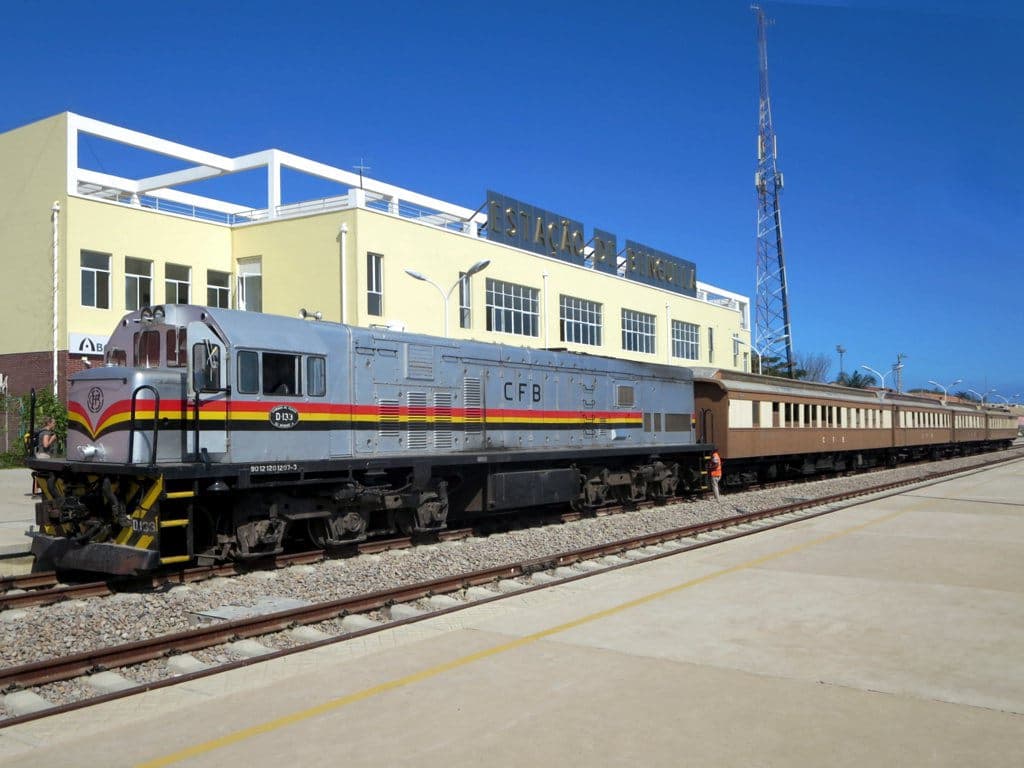
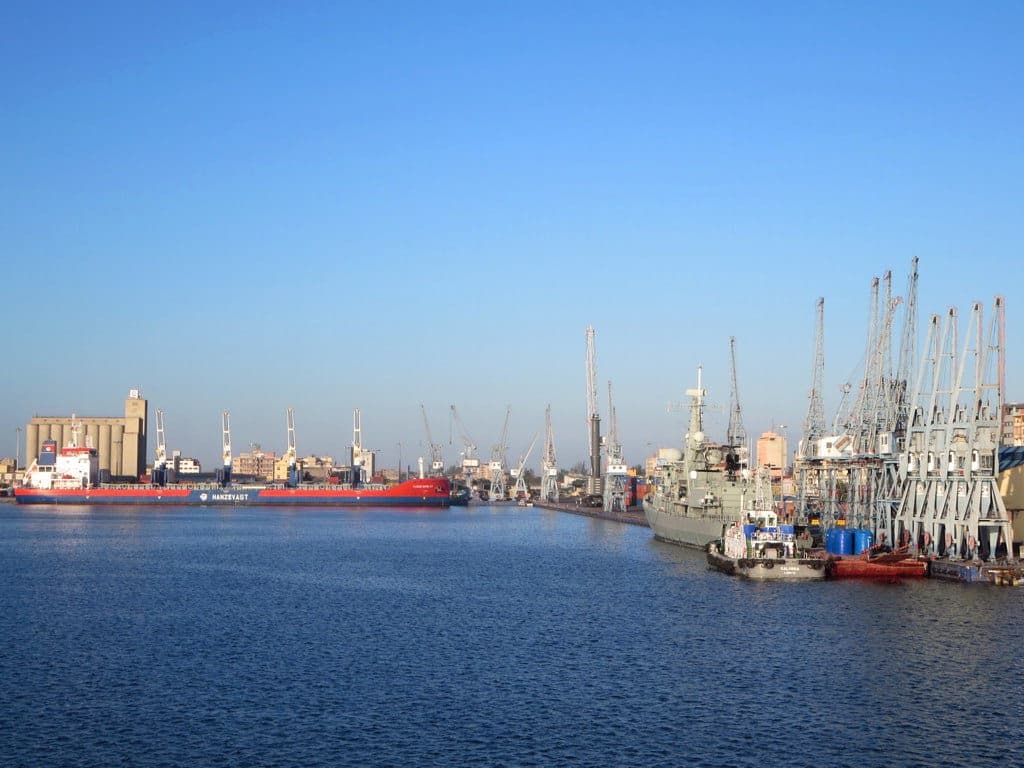
The DRC and Angola have signed a new US-backed agreement on the Lobito Corridor, aiming to cut copper and cobalt transit times from roughly 30 days to a week or less as Washington competes with Chinese-backed routes.
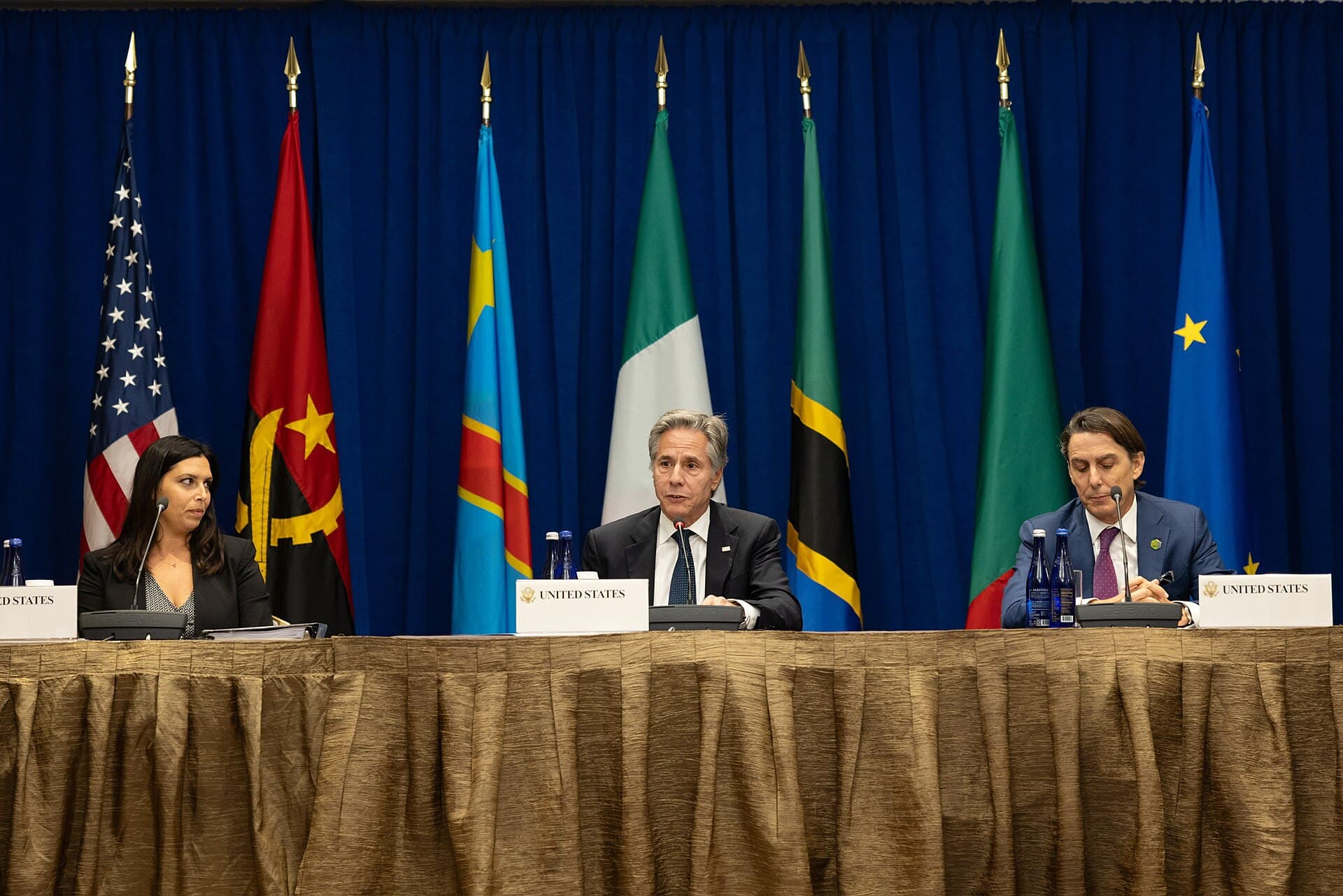
Mota-Engil is set to sign a 30-year concession to rehabilitate and operate the DRC section of the Lobito Corridor railway, backed by up to $1bn in US financing.
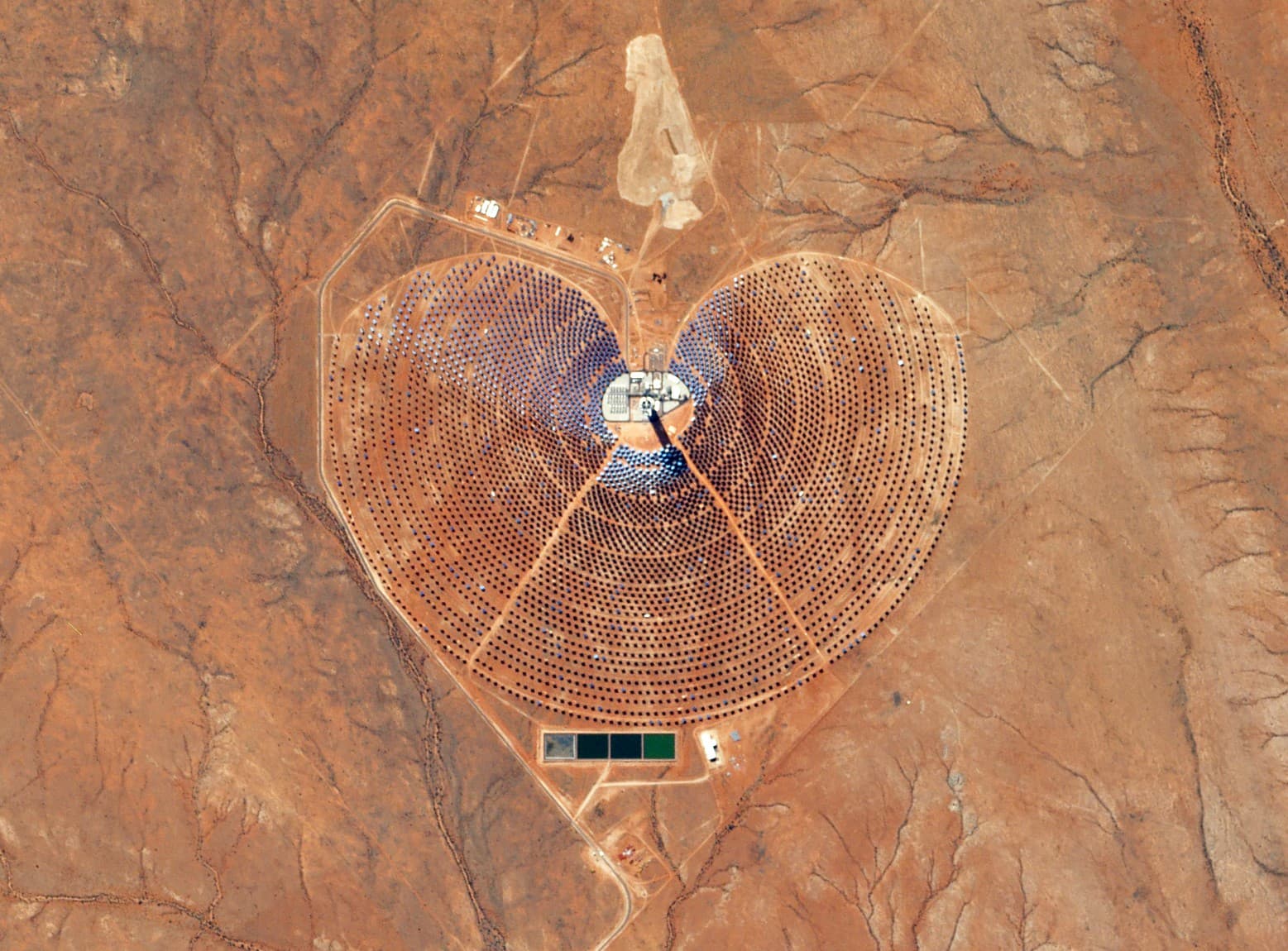
Sibanye-Stillwater now has about 164MW of contracted renewable capacity operating, part of 835MW of wind and solar deals meant to supply 64% of its South African energy needs by 2028.
Zambia and the DRC have signed a bilateral agreement to streamline customs at Kasumbalesa and Mokambo, aiming to cut truck queue times that currently average 72 hours.
Grindrod has outlined five growth projects through 2028, including a 12-million-tonne Matola terminal expansion at Maputo and entry into South Africa's open-access rail network.
CrossBoundary Energy's solar-and-battery facility at Kamoa-Kakula reached commercial operation in August 2026, supplying 30MW of firm renewable baseload power just 16 months after the deal was signed.
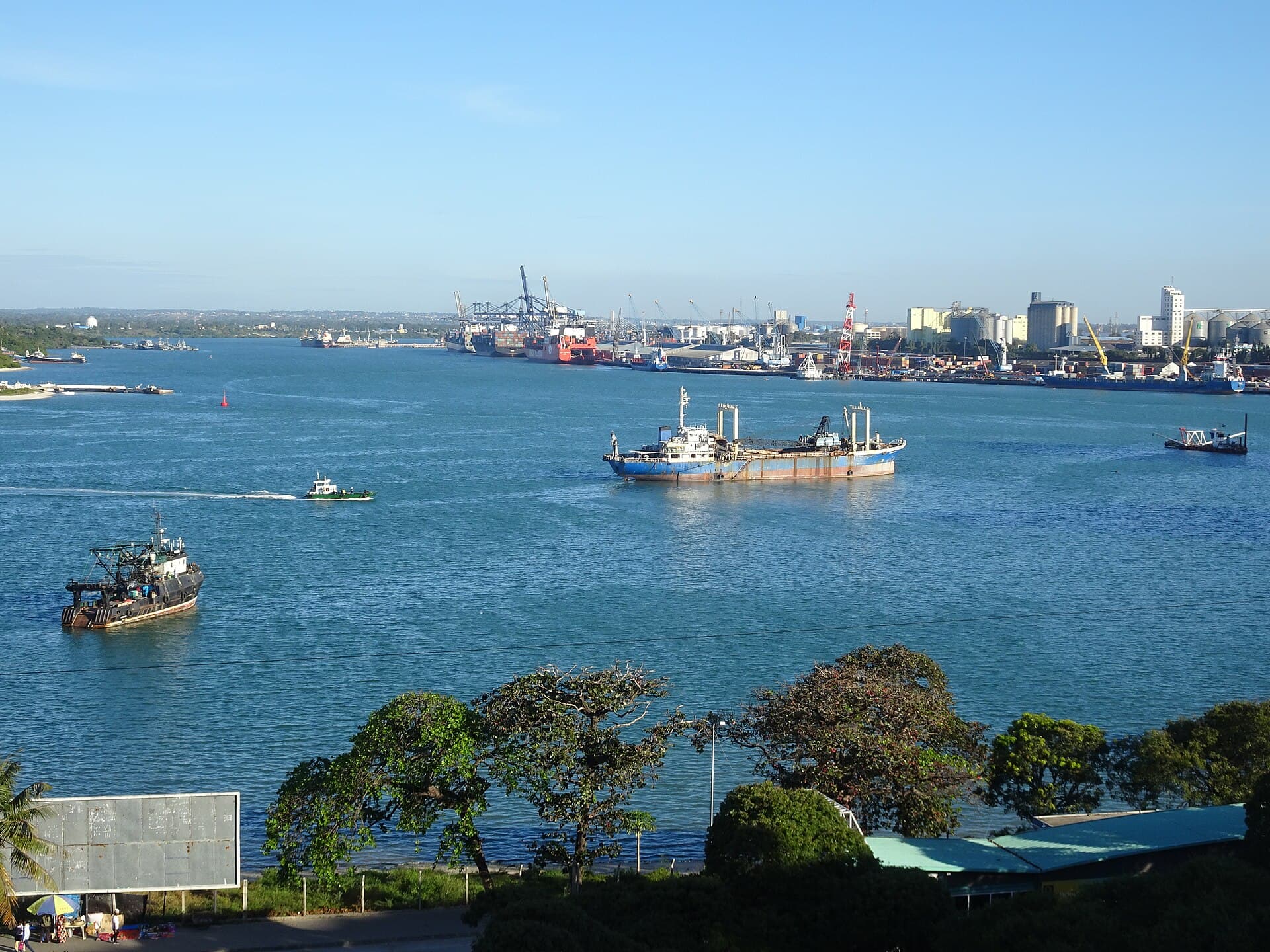
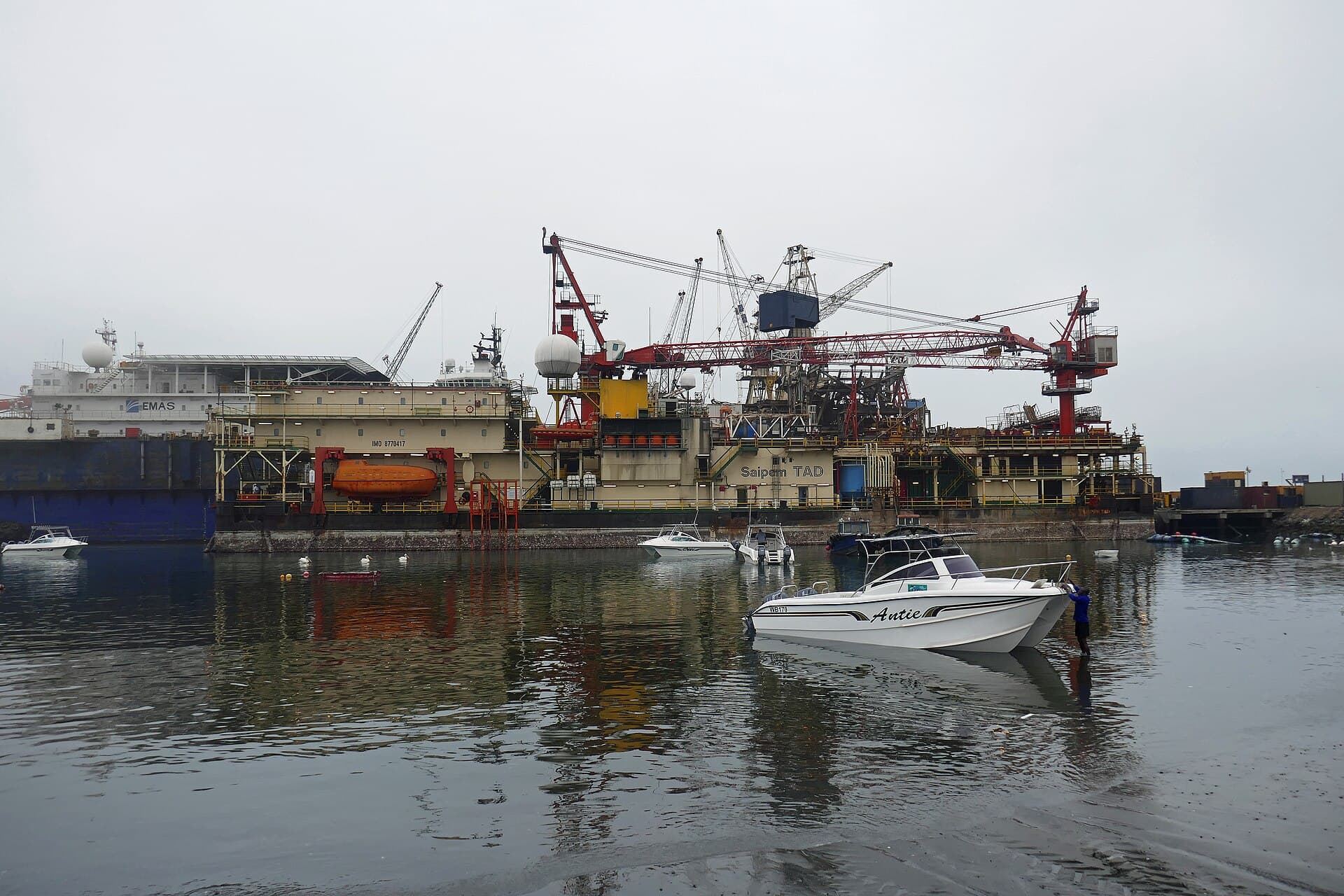
Tanzania is building four new berths at Dar es Salaam after record cargo throughput, while the DRC has announced plans for a dedicated dry port there to clear its mineral exports.
Kobaloni Energy is developing a 6,000-tonne-a-year cobalt sulphate refinery in Zambia aimed at European battery makers, positioning it as Africa's first large-scale plant of its kind.
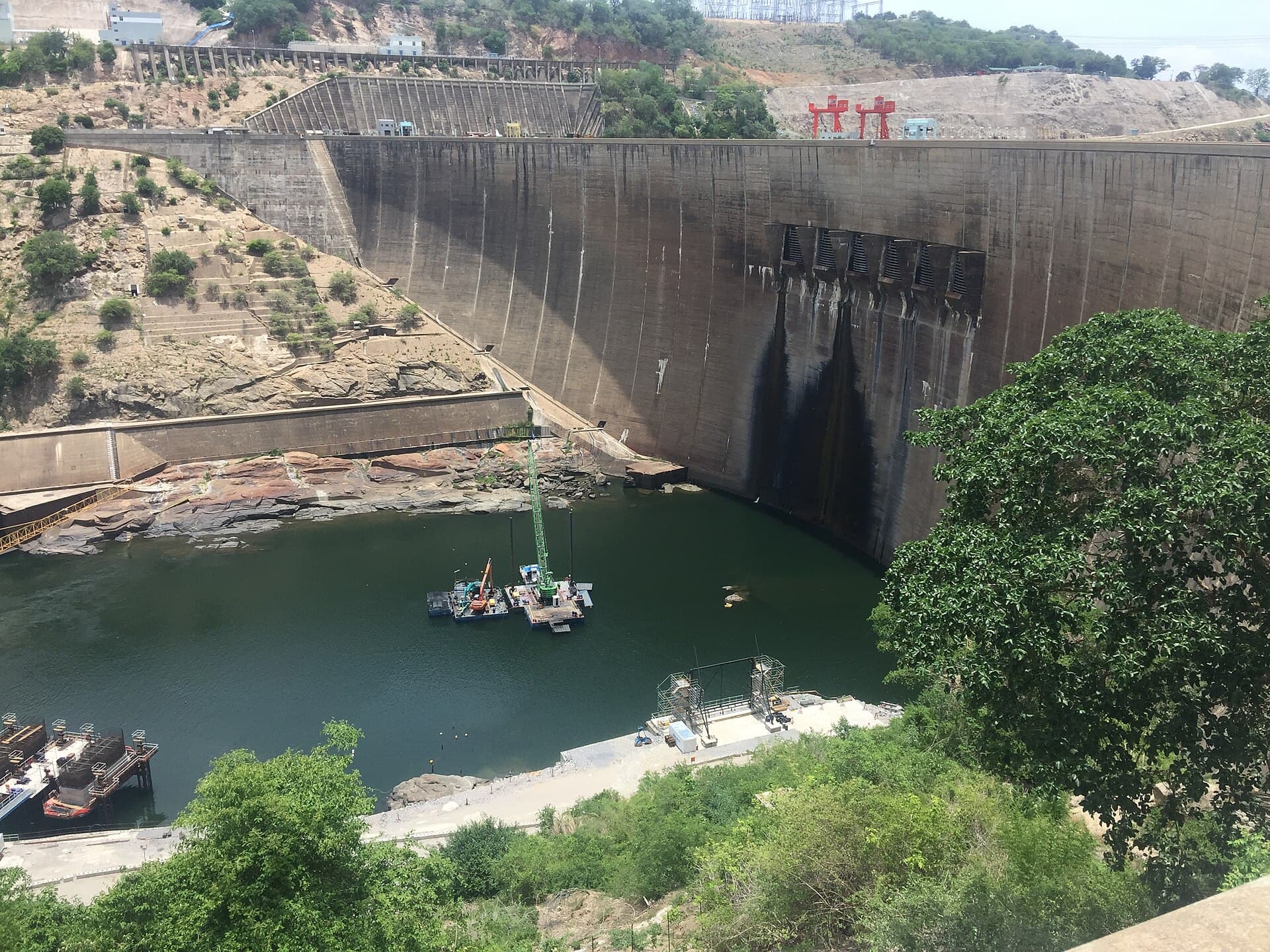
The Zambezi River Authority has raised its 2026 water allocation for Kariba hydropower generation to 36 billion cubic metres, up from 30 billion, as usable storage climbs to 48% from 23% a year earlier.
TransNamib and Kaleido Logistics have launched a rail corridor between Walvis Bay and Karibib designed to move 25,000 tonnes of mining and quarrying cargo a month, cutting truck traffic and emissions.
South Africa's energy regulator has approved a two-year discounted Eskom tariff for Manganese Metal Company, whose Mpumalanga plant relies on electricity for around 41% of production costs.
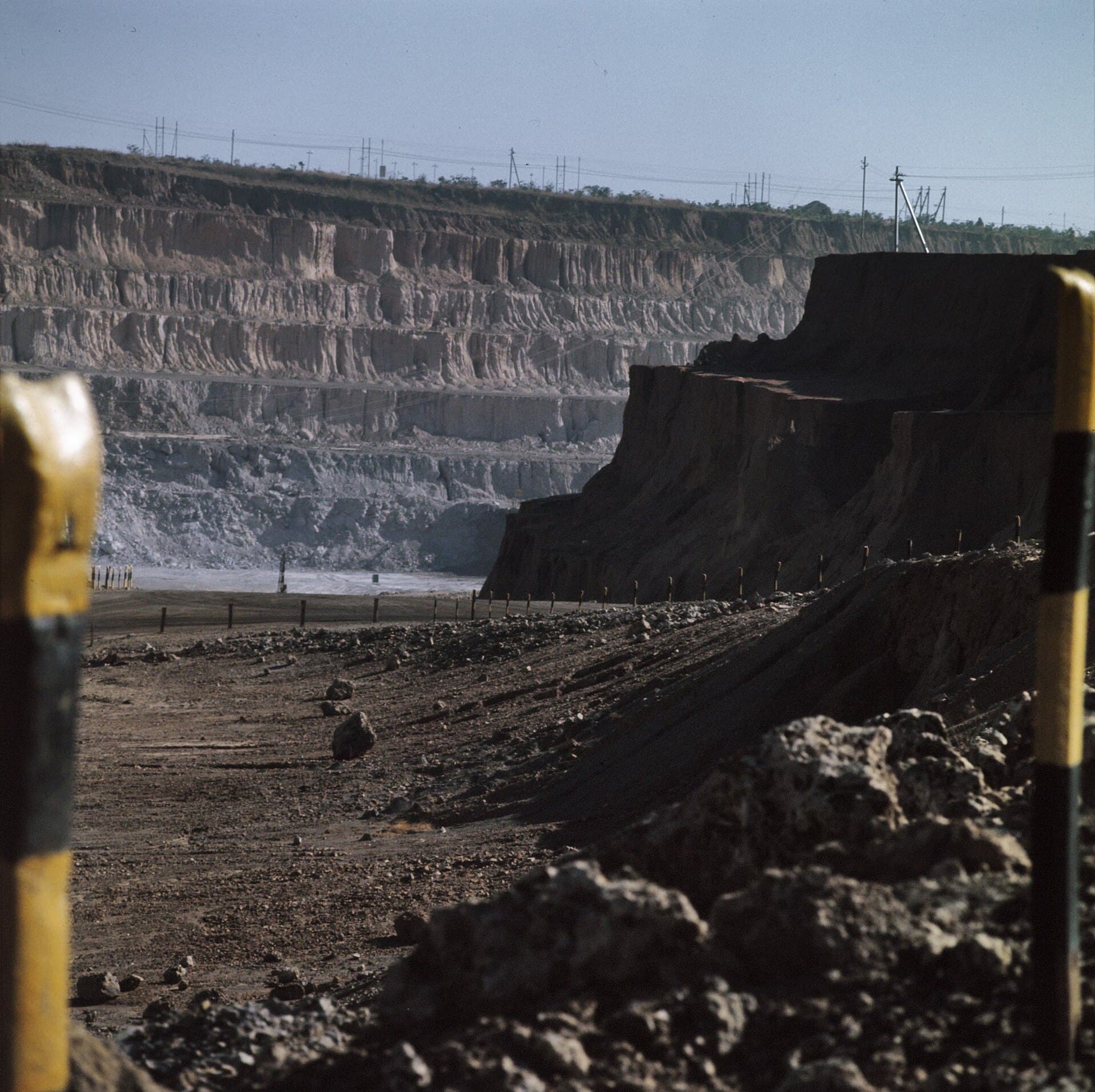
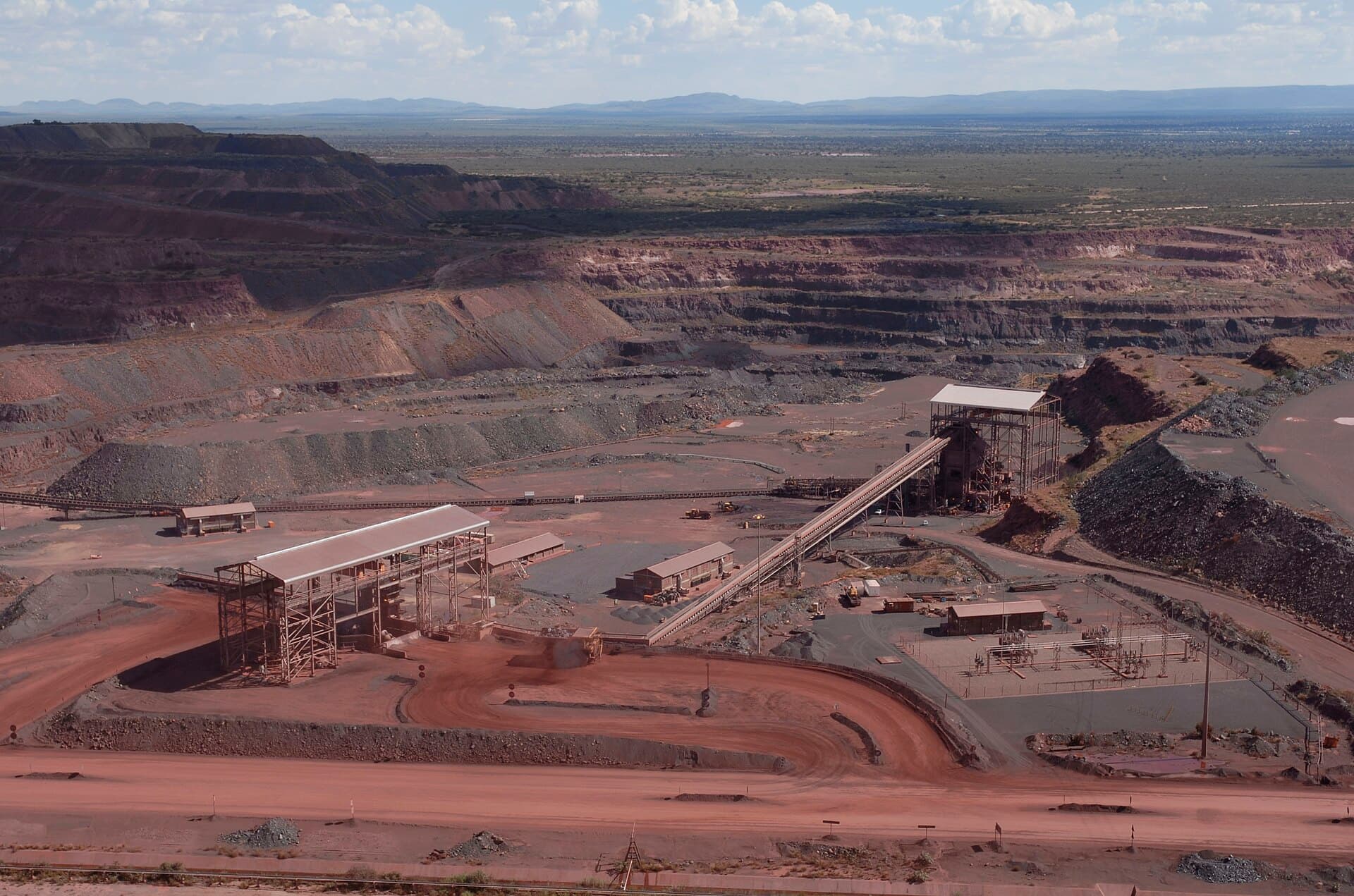
Kumba Iron Ore plans a 63MW on-site solar plant at its Sishen mine, developed by Envusa Energy, expected to start operating in the fourth quarter of 2027.
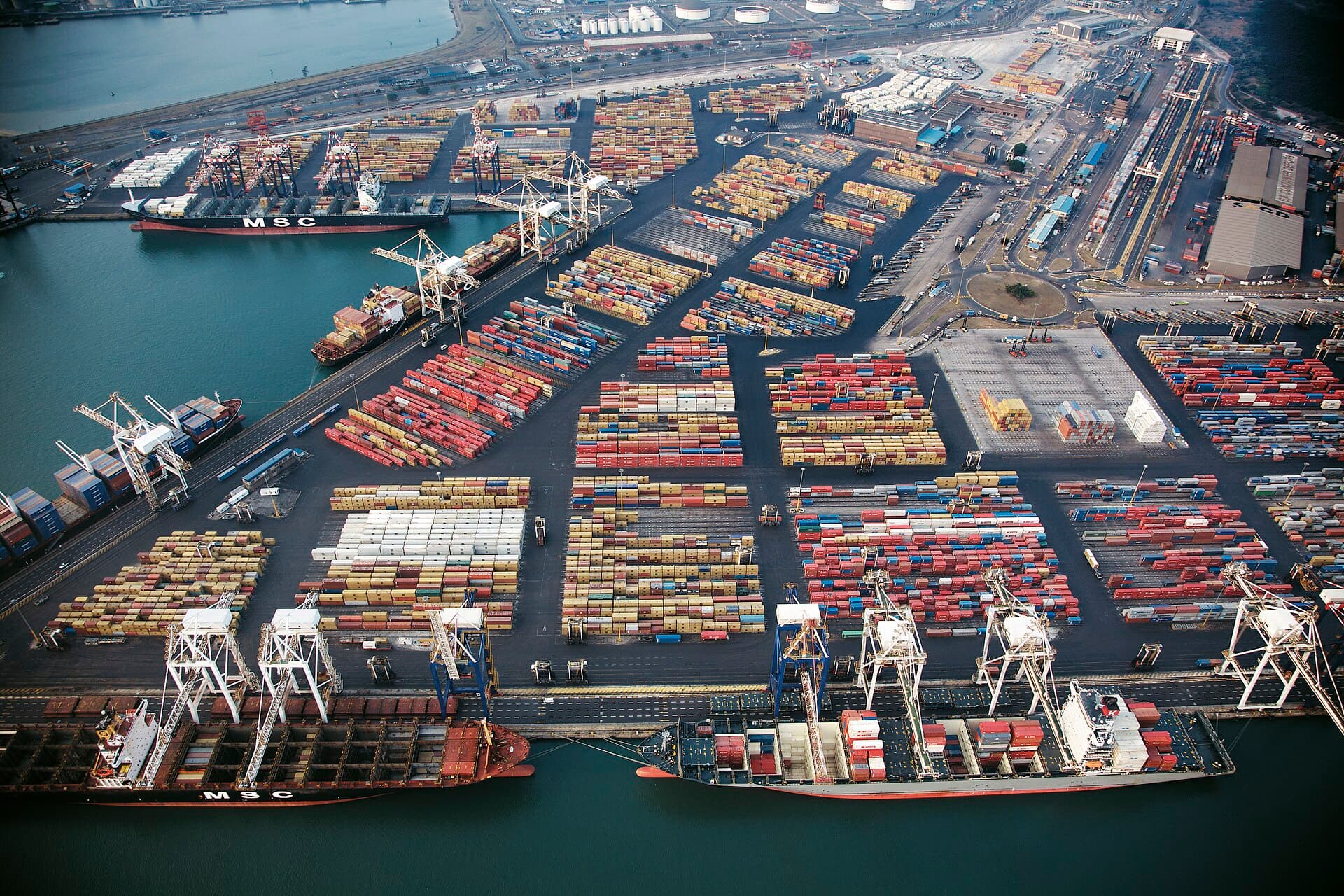
Even as Durban wins praise as the world's most-improved port, chrome and ferrochrome exporters face vessel waits of up to four days and inland corridor delays that erase much of the gain.
Zimbabwe has railed its first 1,000-tonne shipment of lithium concentrate from Tsingshan's Gwanda mine to Maputo, using NRZ, Grindrod's BBR and Silvergill on a roughly 1,000km route.
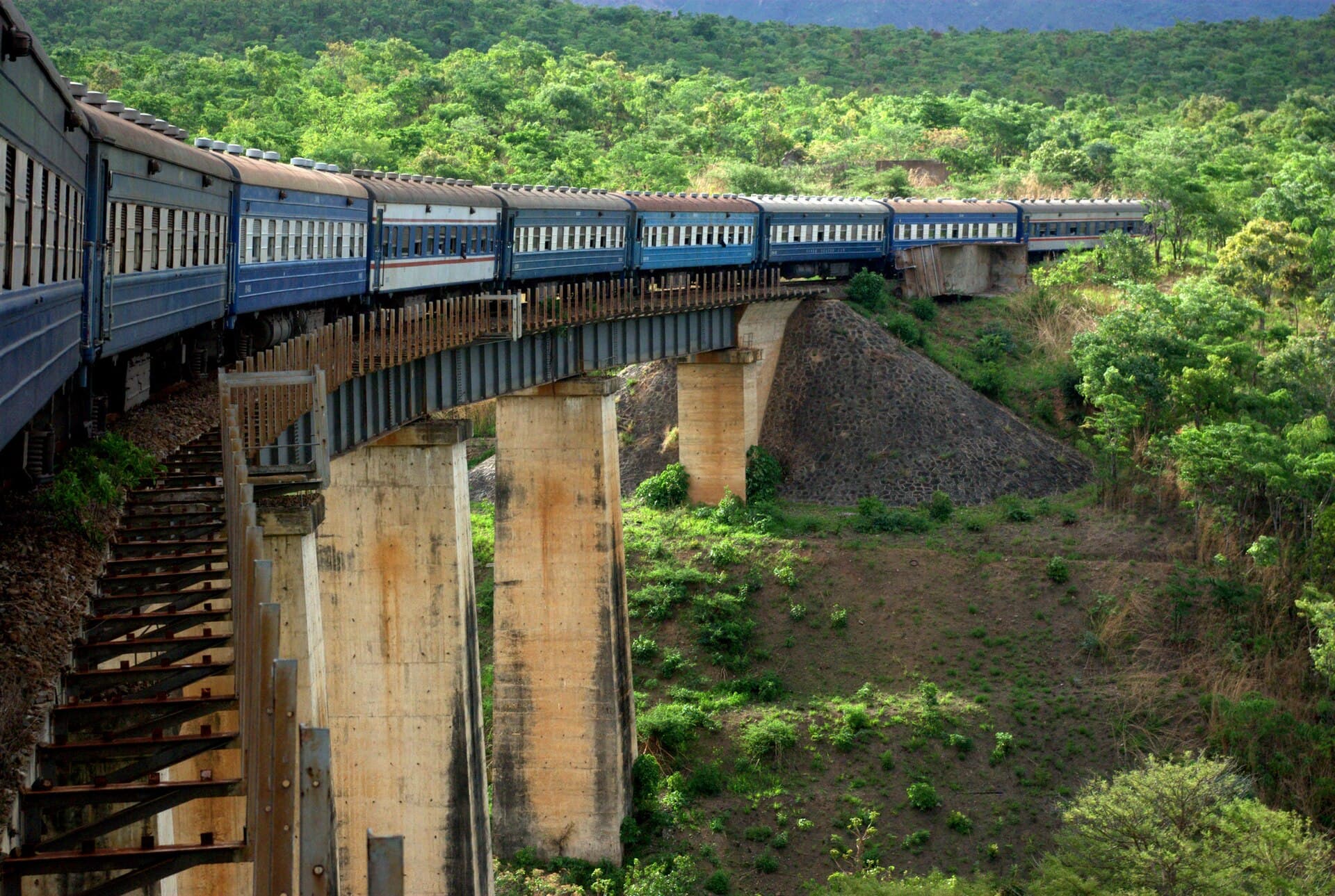
Tanzania and Zambia have broken ground on a new training centre and operations control centre in Dar es Salaam, the first physical construction under TAZARA's $1.4bn revitalisation project.
Maamba Energy's $450m Phase II expansion, adding 300MW of thermal capacity plus a 100MW solar plant, is targeted for completion around July 2026, doubling Zambia's largest independent power producer.
Lobito Atlantic Railway is aiming to roughly double the tonnage of copper and cobalt it carries in 2026, as weekly train frequency rises toward a longer-term capacity target of 4.6 million tonnes a year.
A technical fault on ZESA Holdings' network caused a nationwide power outage in Zimbabwe on 6 July 2026, before engineers restored supply, underlining the fragility of the country's grid.
Swakop Uranium and NamWater have launched a joint venture to build Namibia's second desalination plant, a N$2.1bn facility supplying 20 million m3 a year to the Husab uranium mine and Erongo communities.
Zambia and Zimbabwe have each committed $220m in public equity to the long-delayed Batoka Gorge hydro scheme, a $4.2bn, 2,400MW project on the Zambezi, and held a market-sounding session in June 2026.