Durban's port gains mask persistent delays for chrome and ferrochrome exporters
Despite global recognition for improved efficiency, corridor and border bottlenecks keep end-to-end transit times unpredictable
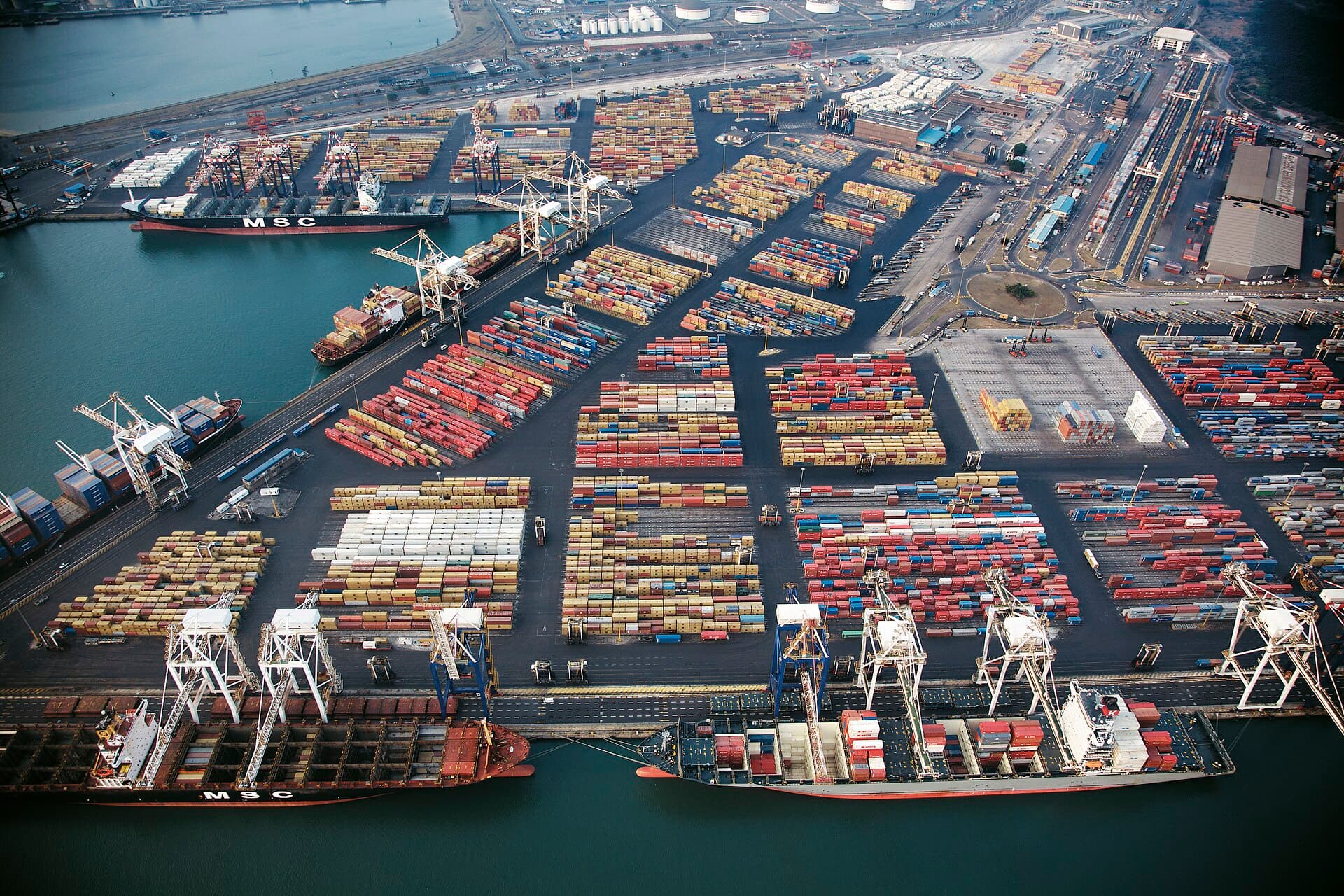
South Africa's Durban port has been recognised as one of the world's most-improved container ports, with performance scores rising sharply through 2025, but chrome and ferrochrome exporters relying on the port and its inland corridors are still contending with unpredictable delays that undercut the headline improvement. Vessel-waiting times at Durban climbed to around four days in early July 2026, up from about two days the previous week, while the Coega/Ngqura corridor further along the coast maintained delays of roughly five days.
The bottlenecks are not confined to the port itself. Border-crossing times on the region's North-South Corridor deteriorated by about 23% week-on-week to roughly 9.6 hours in early July, and the Kasumbalesa crossing into the DRC — a chokepoint for minerals moving the other way — saw daily vehicle clearances cut by more than half during periods of congestion.
A port winning awards, a corridor still struggling
"Durban's improved performance is not translating into faster end-to-end transit times," one industry assessment concluded, pointing to the gap between terminal-level efficiency gains and the reality facing exporters who must also navigate inland corridors and borders to get chrome ore and ferrochrome to ship. South Africa is the world's largest holder of chrome reserves, and its ferrochrome and chrome ore exporters depend heavily on reliable port and corridor performance to remain competitive against Chinese processors that have taken market share as local smelters struggled with high power costs.
What exporters are being told
Industry advice to chrome and ferrochrome traders has been blunt: budget for variable lead times rather than assume that headline port rankings mean logistics risk has disappeared. For an industry already squeezed by Eskom's high electricity tariffs — and only recently granted concessionary power pricing to keep smelters running — inconsistent export logistics adds another layer of cost and uncertainty on top of already thin margins. Transnet's various reform efforts, from private rail operators to new port equipment, are aimed at exactly this kind of end-to-end bottleneck, but the chrome sector's experience in mid-2026 suggests the fixes have yet to be felt consistently along the full corridor from mine to ship.
Sources
Photo: Container terminal at the Port of Durban, South Africa's main gateway for chrome and ferrochrome exports. Media Club, Wikimedia Commons, CC BY-SA 2.0.
Was this useful?
More from MiningWrap
South Africa launches R12.5bn overhaul of Beitbridge and five other border posts
Manganese producers line up to bid for new Ngqura export terminal
Richards Bay Coal Terminal exports jump above 10% as Transnet's turnaround pays off
The whole sector in one weekly read.
Deals, policy and markets — every Thursday.
Discussion
Loading comments…