Lobito Corridor operator plans to double mineral cargo in 2026
Trains on the Angola-DRC copper route are set to increase from 12 to 20 a week as new financing unlocks capacity upgrades
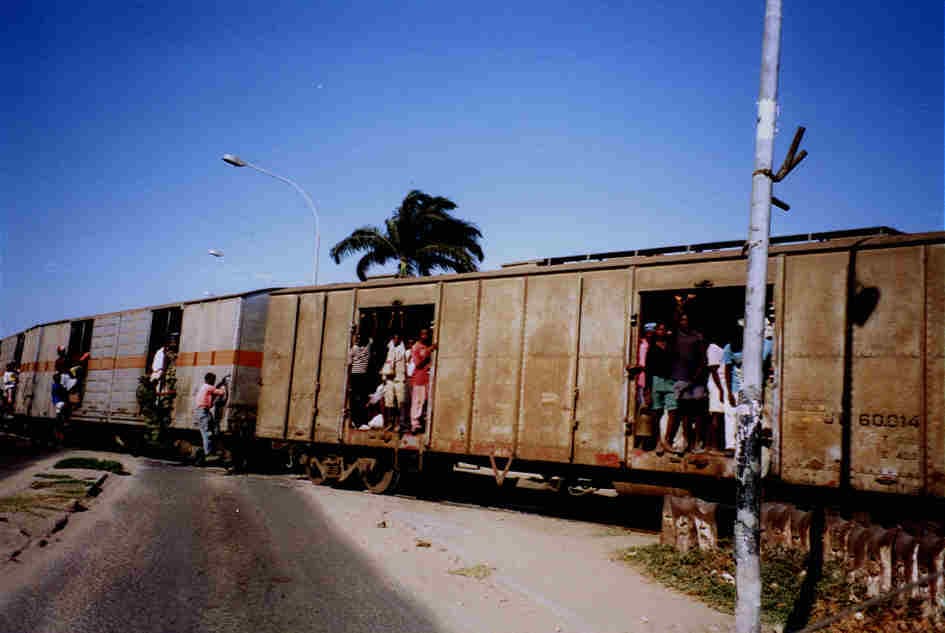
The operator of the Lobito Corridor, the Angola-to-DRC rail route backed by the United States and the European Union, is aiming to roughly double the volume of copper and cobalt it carries in 2026 as it adds trains and works through a backlog of wagons and locomotives ordered for the line. Lobito Atlantic Railway currently runs about 12 trains a week between the DRC's copper belt and the Angolan port of Lobito, a figure it wants to lift to 20 trains a week by 2027.
The corridor moved more than 200,000 tonnes of cargo in 2025, its first full year of commercial operation, and the operator's stated target for 2026 is 240,000 tonnes of copper from the Kolwezi area alone, before further growth as new rolling stock and terminal capacity come online. Longer term, the project envisages carrying about 4.6 million tonnes a year — roughly ten times current volumes — while cutting shipping costs for critical minerals by an estimated 30% compared with existing routes.
Financing catching up with ambition
Reaching those targets depends on a $753 million financing package for the concession, anchored by $553 million from the US International Development Finance Corporation and $200 million from the Development Bank of Southern Africa, which reached financial close in mid-2026. The corridor comprises 1,289 kilometres of railway in Angola between Lobito and Luau, plus roughly 450 kilometres inside the DRC to Kolwezi, along with the dedicated Lobito Port mineral terminal.
The operator, Lobito Atlantic Holdings — a consortium of Trafigura, Mota-Engil and Vecturis holding a 30-year concession awarded in 2022 — has been rolling out 1,555 wagons and 35 locomotives to lift throughput. In Angola, the project directly employs 945 people, 97% of them Angolan nationals.
Competing with a Chinese-backed rival
The push to scale up comes as Chinese state and mining interests separately fund a $1.4 billion revamp of the rival TAZARA railway to Tanzania, positioning the two corridors as competing gateways for Congolese and Zambian minerals. For mining companies on the DRC's copper belt, the practical question is less about geopolitics than logistics: whether Lobito's capacity additions arrive fast enough, and reliably enough after the April 2026 flood disruption, to justify shifting volumes away from established routes through southern and eastern Africa.
Sources
Photo: A train on the Benguela railway line in Angola, part of the Lobito Corridor route. Claus Bunks aka Afrobrasil on flickr, Wikimedia Commons, Public domain.
Was this useful?
More from MiningWrap
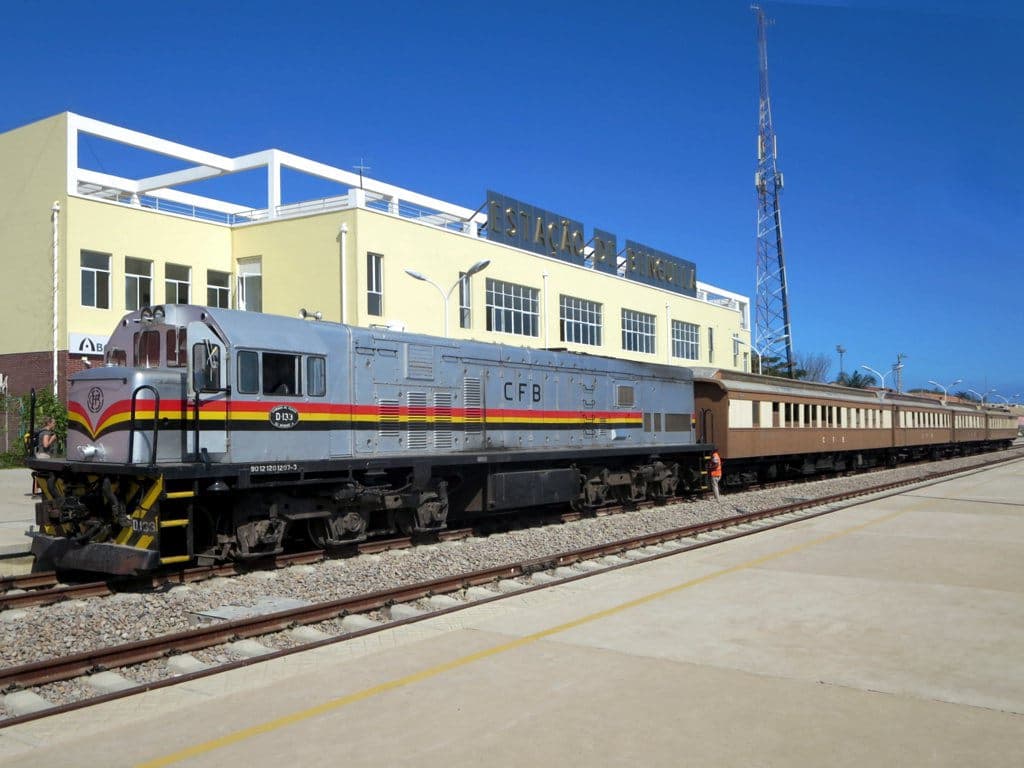
Lobito Atlantic Railway restarts DRC copper trains after flood damage
Angola floods halt Lobito Corridor rail, disrupting Congo copper exports

Zambia and DRC sign new deal to cut Kasumbalesa truck queues
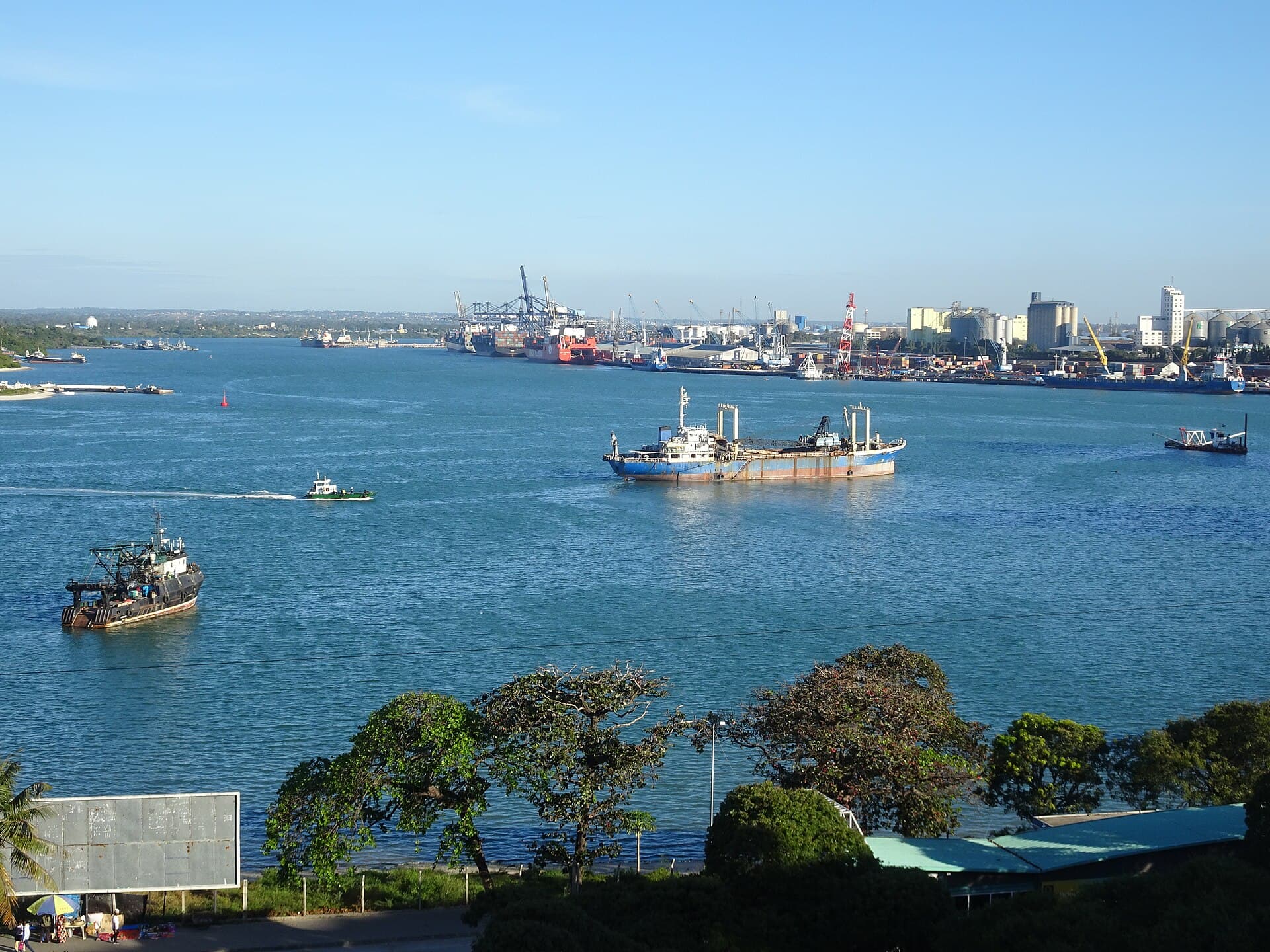
Tanzania expands Dar es Salaam port as DRC plans dedicated mineral dry port
The whole sector in one weekly read.
Deals, policy and markets — every Thursday.
Discussion
Loading comments…