Kobaloni targets Europe with Africa's first large-scale cobalt sulphate refinery
The Zambian project aims to supply traceable battery-grade cobalt outside the Asian processing chain, backed by Vision Blue
Kobaloni Energy is pressing ahead with plans for what it describes as Africa's first large-scale cobalt sulphate refinery, a Zambian facility designed to produce around 6,000 tonnes a year of contained cobalt as battery-grade sulphate, with potential to double that capacity in later phases. The company has completed a Class 3 feasibility study and is positioning the plant to supply European battery manufacturers seeking cobalt outside the Asian-dominated processing chain that currently handles most of the world's supply.
The project is estimated to cost around €75 million to develop, of which roughly €55 million is expected to be debt-financed. Africa Finance Corporation has indicated interest in providing up to $100 million in potential financing support, while Vision Blue, a metals-focused investment firm, has also backed the project as part of its portfolio of critical-minerals investments.
Chasing traceable, non-Chinese supply
Cobalt sulphate is a key input for the cathodes used in electric-vehicle batteries, and European and North American battery makers have increasingly sought supply chains that can demonstrate traceability and avoid material processed through China, which dominates global cobalt refining. Kobaloni's pitch rests on being able to certify Zambian-refined cobalt sulphate as coming from a transparent, non-Chinese supply chain — a niche that has grown more valuable as regulators tighten due-diligence requirements on battery materials.
Scale still modest against global demand
At its initial 6,000-tonnes-a-year output, Kobaloni estimates its cobalt sulphate could support batteries for around one million electric vehicles annually — a meaningful but still small share of global battery demand. The project's success will depend on whether Kobaloni can close its remaining debt and equity financing and build the plant on schedule, and whether it can compete on cost with far larger, established Asian refiners even while offering the traceability premium its European customers say they want.
Why Zambia rather than the DRC
Most of the world's mined cobalt comes from the neighbouring DRC as a by-product of copper mining, but Zambia has increasingly positioned itself as a processing hub for regional cobalt units, drawing on its more established power and transport infrastructure and its longer history of metals refining on the Copperbelt. A Zambian refinery also sits closer to the emerging Lobito and Nacala corridor routes to the coast than many DRC processing sites, potentially shortening the path to European ports once the plant is operating at scale.
If Kobaloni can bring the refinery into production, it would mark a rare example of African cobalt being converted into a finished battery chemical locally rather than shipped abroad as concentrate or hydroxide for refining elsewhere — the kind of beneficiation step that regional governments have long said they want to see more of, but that has proved difficult to finance and build in practice.
Sources
- Mining South East Europe: Zambia's Kobaloni Targets Europe With Africa's First Large-Scale Cobalt Sulphate Refinery, 11 Aug 2026
- Mining.com: Africa moves a step closer to continent's first cobalt refinery, 01 Feb 2026
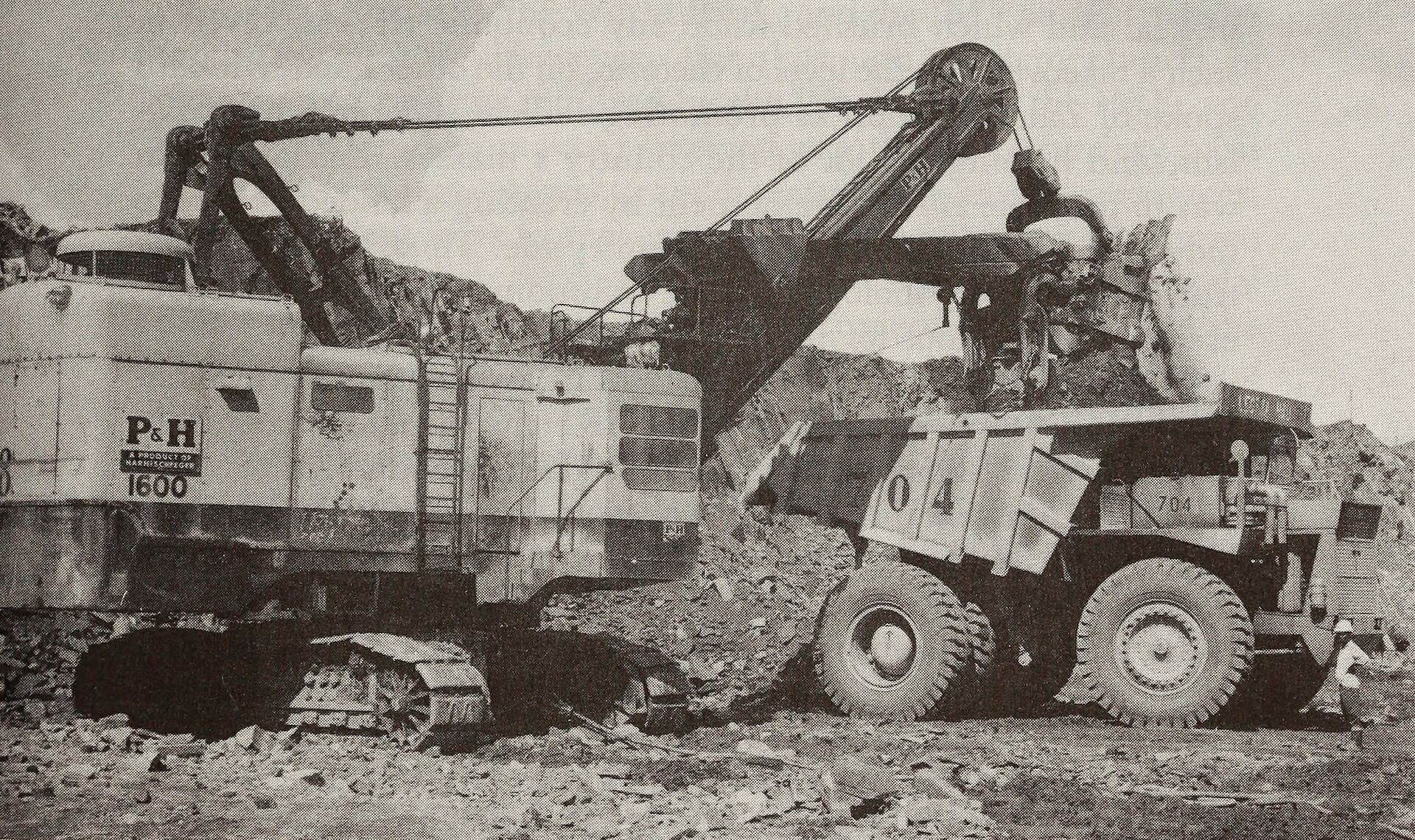
Photo: Copper and cobalt ore being loaded for processing near Kolwezi, in the region supplying Zambian and Congolese cobalt refiners. Gécamines (Zairian company), Wikimedia Commons, Public domain.
Was this useful?
More from MiningWrap
Vedanta plans $317m coal power plant as Zambia presses for faster investment

Zambia and DRC sign new deal to cut Kasumbalesa truck queues
Tanzania expands Dar es Salaam port as DRC plans dedicated mineral dry port
The whole sector in one weekly read.
Deals, policy and markets — every Thursday.
Discussion
Loading comments…