Kariba water allocation raised to 36 billion cubic metres as lake levels recover
The Zambezi River Authority's revised 2026 allocation gives Zambia and Zimbabwe more hydropower generation room after a run of poor rainy seasons
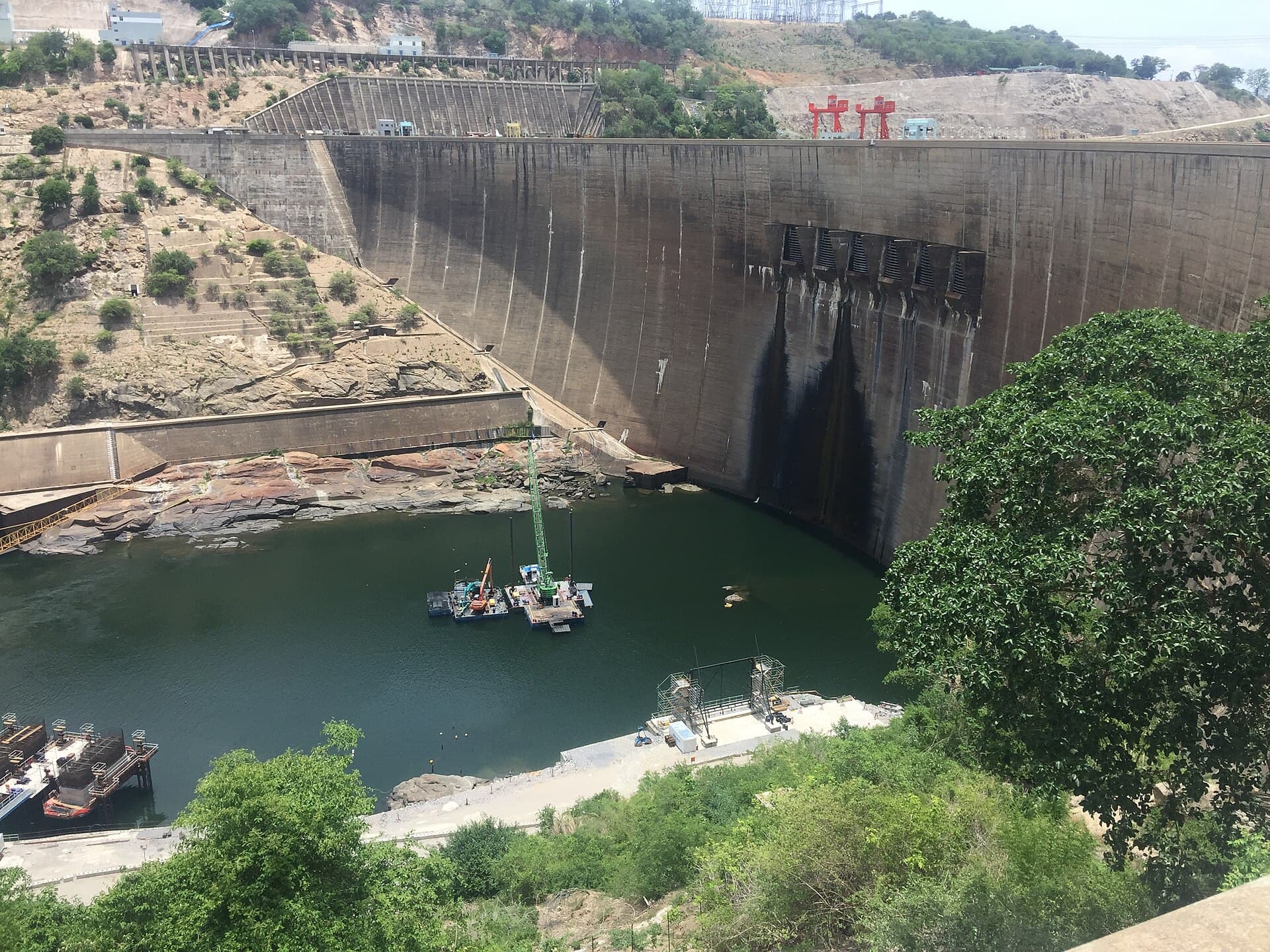
The Zambezi River Authority has increased its 2026 water allocation for power generation at Lake Kariba to 36 billion cubic metres, up from the 30 billion cubic metres set in November 2025, as inflows into the lake recover from years of drought. The allocation is split evenly between Zambia's ZESCO and the Zimbabwe Power Company, giving each utility 18 billion cubic metres to run their respective Kariba North and Kariba South power stations, which have a combined installed capacity of 2,010MW — 960MW on the Zambian side and 1,050MW on the Zimbabwean side.
Usable storage at the lake stood at 48.09% as of 22 June 2026, more than double the 23.47% recorded on the same date the previous year, and a dramatic improvement on the 13% low reached during the 2024 drought that forced extended power cuts in both countries. Zambezi River Authority acting chief executive Christopher Chisense attributed the recovery to "normal rainfall in the Upper Zambezi Catchment and normal to above-normal rainfall in the Lower Catchment," which produced above-average inflows into the lake through the 2025-26 rainy season.
A dam getting a new lease on life
The improved water position coincides with the near-completion, by September 2026, of a $294 million rehabilitation of the Kariba Dam wall, funded by the World Bank, the African Development Bank and the European Union, intended to extend the structure's operating life by at least 50 years. The combination of a strengthened dam and a fuller lake gives both countries more room to generate hydropower without the emergency rationing seen during the drought years.
Copperbelt and Zimbabwean mines breathe easier
For Zambian and Zimbabwean mines that endured years of load shedding tied directly to Kariba's water levels, the improved allocation is welcome, if not decisive — both countries are also separately building solar, thermal and imported capacity precisely because hydropower on a single, drought-exposed river system cannot be relied upon indefinitely. The Zambezi's flows are already declining seasonally as the dry season progresses, and the Authority's own outlook treats the current allocation as reflecting one good rainy season rather than a structural fix to the basin's exposure to climate variability.
Sources
Photo: The Kariba Dam wall on the Zambezi River, shared by Zambia and Zimbabwe. JonGT, Wikimedia Commons, CC BY-SA 4.0.
Was this useful?
More from MiningWrap
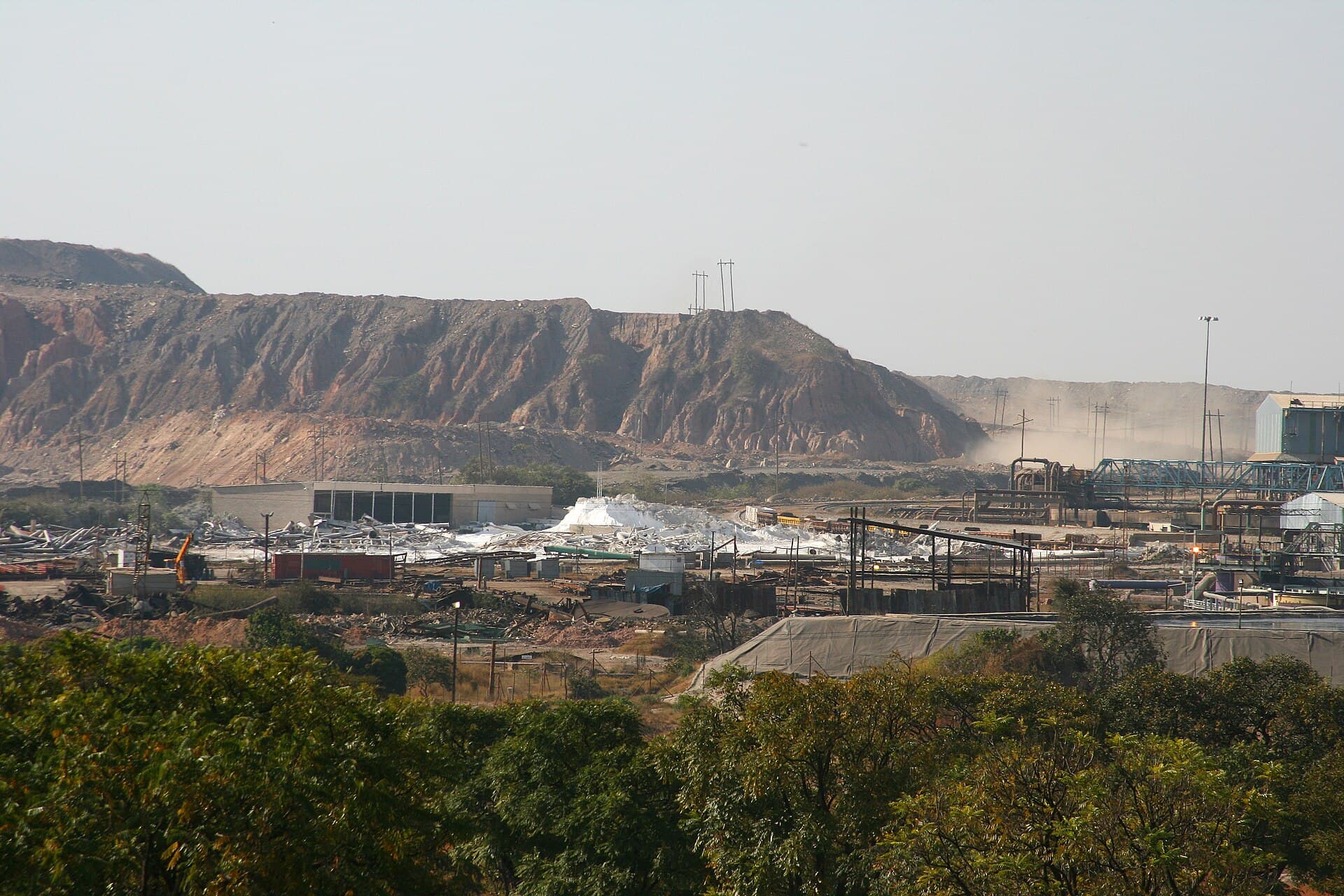
Vedanta plans $317m coal power plant as Zambia presses for faster investment

Zambia and DRC sign new deal to cut Kasumbalesa truck queues
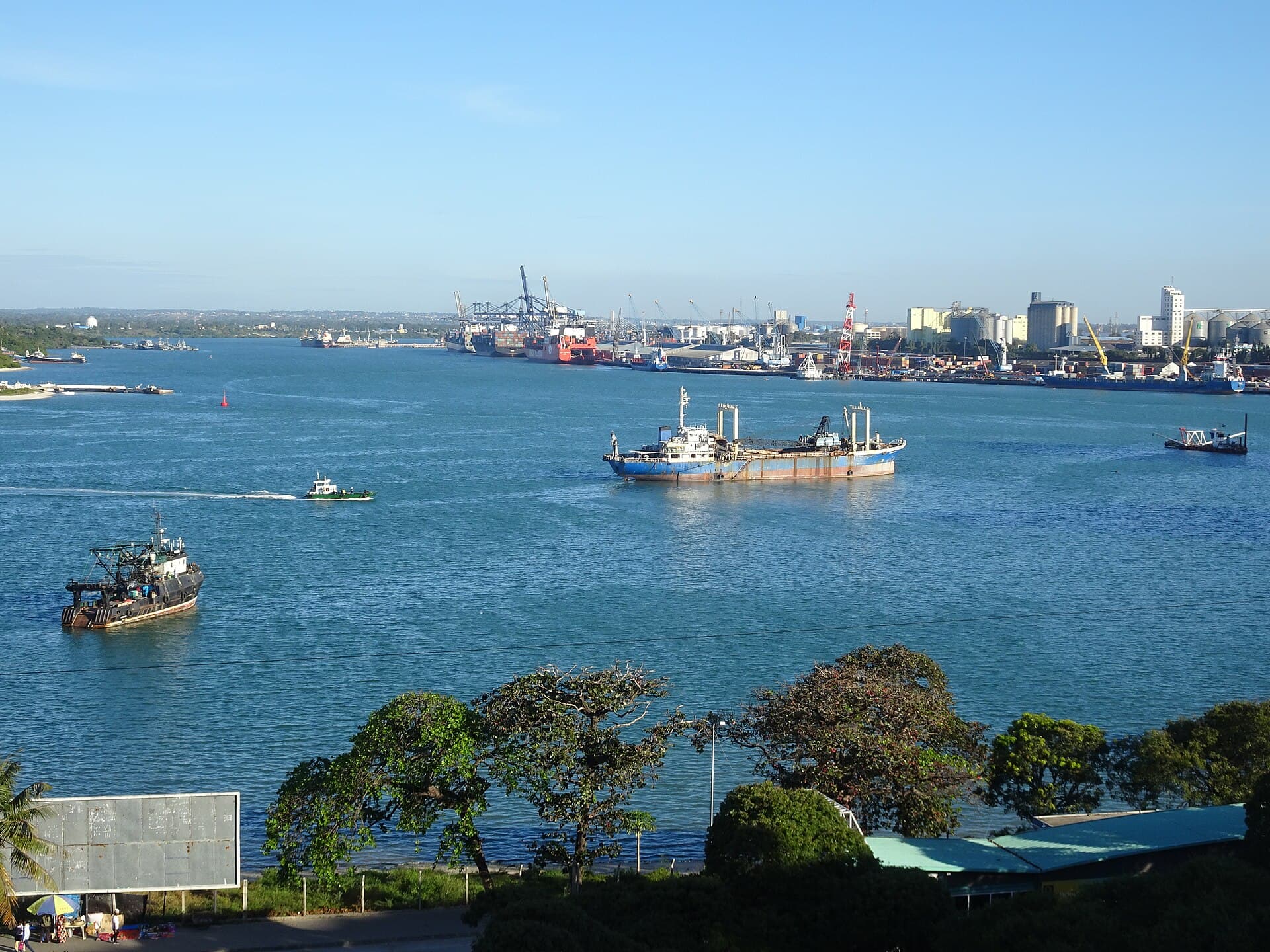
Tanzania expands Dar es Salaam port as DRC plans dedicated mineral dry port
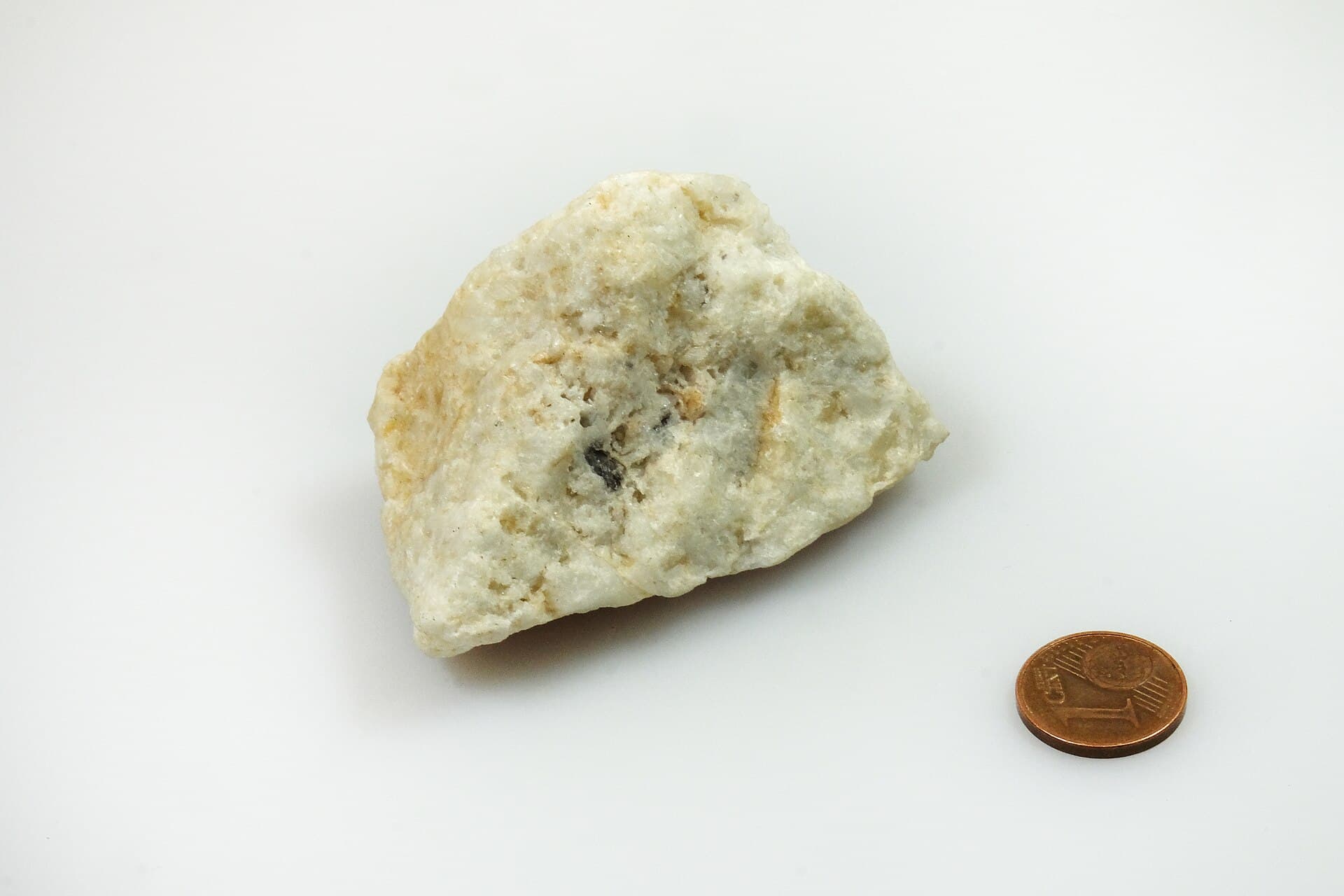
Zimbabwe's first lithium rail shipment reaches Maputo via Beitbridge
The whole sector in one weekly read.
Deals, policy and markets — every Thursday.
Discussion
Loading comments…