Zimbabwe approves $450m plan to revive Hwange's original six power units
A four-year rehabilitate-operate-transfer deal with India's Jindal aims to lift output at units 1-6 from about 300MW toward 2,000MW
Zimbabwe's Cabinet has approved a public-private partnership under which Indian company Jindal (Private) Limited will invest about $450 million to rehabilitate the original six units at Hwange Power Station, the country's largest thermal plant, over a four-year period. The deal follows a rehabilitate-operate-transfer model between Jindal and the Zimbabwe Power Company, under which Jindal will fund and carry out the refurbishment before eventually transferring the upgraded units back to full state operation.
Information Minister Dr Jenfan Muswere said reviving the units "will benefit Zimbabwe by significantly increasing the national electricity supply, thereby reducing load shedding." Energy Minister July Moyo noted that units 1 to 6, commissioned between 1983 and 1989 with an original combined capacity of 920MW, have in recent years been "averaging between 300MW and 600MW, depending on whether all of them are in service at any one time" because of age-related mechanical faults.
A big jump in ambition
The rehabilitation programme aims to replace key equipment, including turbines and generators, across all six units. Once complete, officials expect Hwange's older units alone to be capable of generating close to 2,000MW daily — more than six times their current typical output, and roughly double their original 1980s design capacity, reflecting modern turbine efficiency rather than simply restoring the plant to its original specification.
Why it matters beyond the numbers
Hwange's newer units 7 and 8, a separate 2×300MW expansion, already anchor much of Zimbabwe's thermal generation, but the ageing units 1-6 have long been a source of unreliability contributing to the load shedding that has periodically curtailed mining and industrial output. A successful rehabilitation would materially reduce Zimbabwe's reliance on power imports and support Zesa's stated goal of ending both load shedding and electricity imports by the end of the decade. For mining companies that have complained for years about power cuts undermining production, the Hwange programme is one of the largest concrete commitments yet toward a more reliable national grid — though, like Batoka Gorge and other big Zimbabwean and Zambian power projects, its benefits will only be felt once construction, now beginning, is actually completed.
Sources
Was this useful?
More from MiningWrap
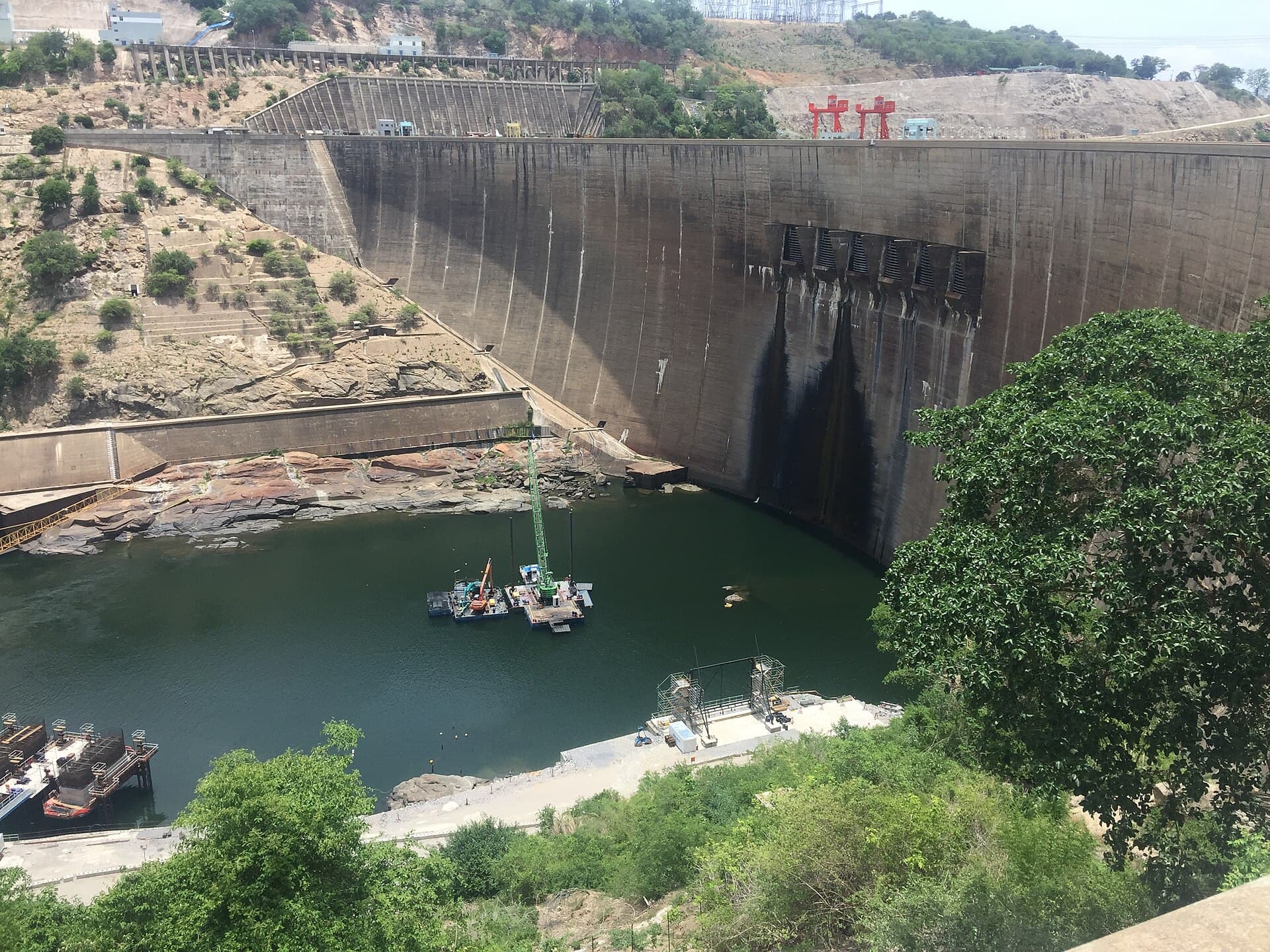
Kariba water allocation raised to 36 billion cubic metres as lake levels recover
Technical fault triggers nationwide blackout across Zimbabwe
DRC seeks equity stake in $270m Zambia power interconnector
South Africa launches R12.5bn overhaul of Beitbridge and five other border posts
The whole sector in one weekly read.
Deals, policy and markets — every Thursday.
Discussion
Loading comments…