Zesa pledges to end Zimbabwe's load shedding by December 2026
138 consecutive days without scheduled outages and an Afreximbank credit line underpin the utility's turnaround claim
Zesa Holdings, Zimbabwe's state power utility group, says it has achieved 138 consecutive days without load shedding and is targeting a complete end to scheduled power cuts by December 2026. Zesa group chief executive Cletus Nyachowe said "we are looking at ending load shedding by the end of this year," pointing to a shift in the utility's approach from managing shortages to actively trading power on regional markets.
Nyachowe described Zesa's growing role in the Southern African Power Pool as transformative, likening the utility's new approach to energy trading to "an auction", in which Zesa buys and sells power depending on real-time supply and demand across the region rather than simply rationing what it has. A $210 million loan facility from Afreximbank has funded part of this shift, supporting both power trading activity and infrastructure improvements.
Bigger ambitions beyond 2026
Beyond ending load shedding, Zesa has set a target of full national electrification by 2030, connecting the roughly 500,000 urban homes still without a grid connection and extending electricity to about a million families overall. It also wants to stop importing power entirely by 2027, which would mark a significant reversal for a utility that has relied on emergency imports from the region during past droughts and plant breakdowns.
Mutapa Investment Fund deputy chief operating officer Enerst Dendere framed the changes as part of a broader push to turn Zimbabwe Power Company, Zesa's generation arm, into "a commercially viable asset" capable of servicing its own debt rather than depending on state subsidies — a shift that would also make it easier to raise financing for future generation projects, including the rehabilitation of Hwange's older units.
Why miners are watching closely
For Zimbabwe's mining sector, which has for years complained of unscheduled outages disrupting underground operations even when mines pay in foreign currency for supply, a genuine end to load shedding would remove one of the most persistent risks to production. But the sector's own five-year demand growth — from around 700MW currently toward roughly 2,000MW — means Zesa's turnaround has to keep pace with an expanding, not just a stable, customer base. Platinum producers Zimplats and Unki, among others, are not waiting to find out, continuing to build their own solar capacity even as Zesa's official statistics improve.
Sources
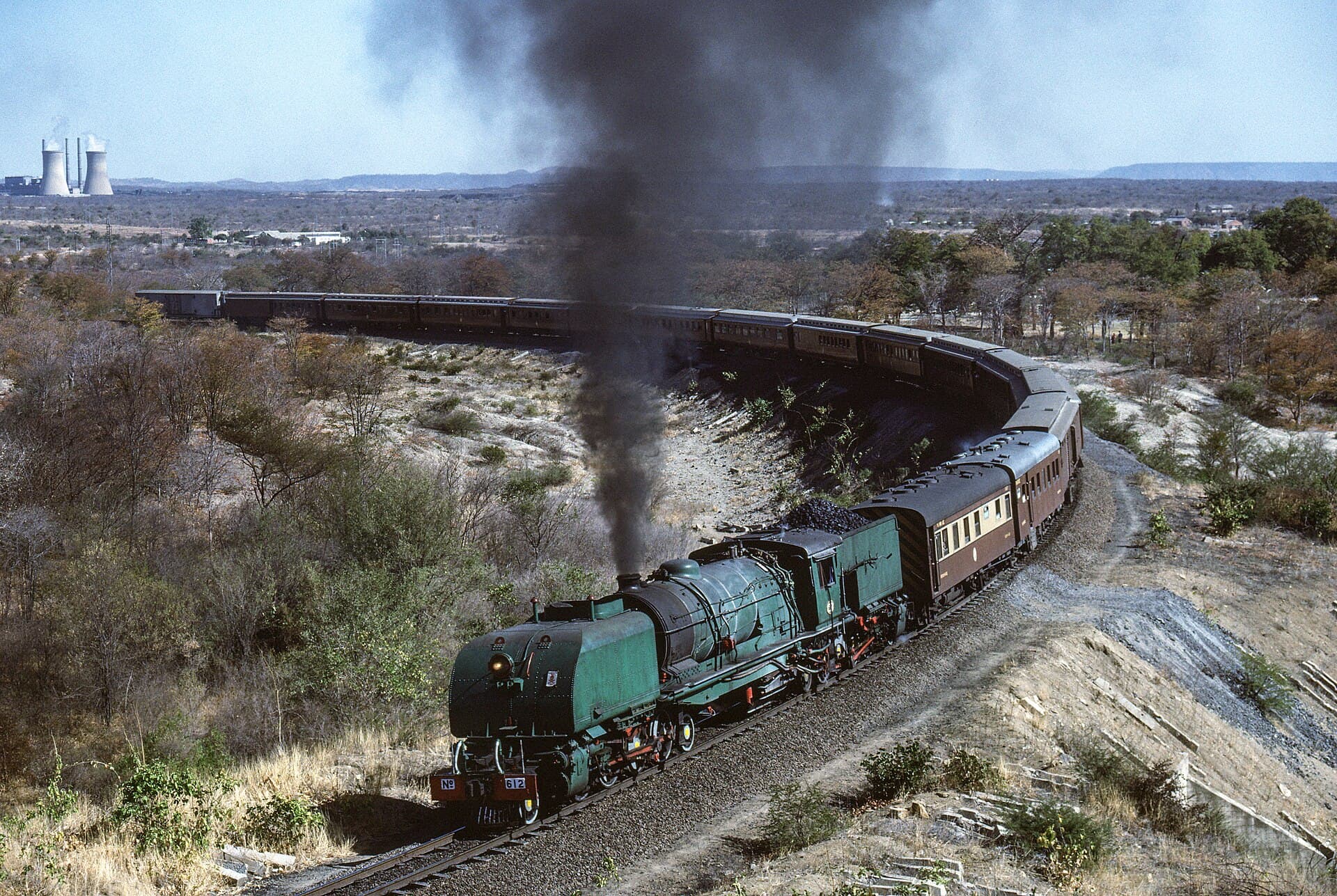
Photo: Electricity infrastructure along the railway line between Victoria Falls and Bulawayo, Zimbabwe. MaltaGC (Nigel Tout), Wikimedia Commons, CC BY-SA 4.0.
Was this useful?
More from MiningWrap

Vedanta plans $317m coal power plant as Zambia presses for faster investment
The whole sector in one weekly read.
Deals, policy and markets — every Thursday.
Discussion
Loading comments…