Karo Platinum advances on the Great Dyke as ball mills arrive on site
Tharisa's Zimbabwean joint venture is targeting 190,000 oz a year of PGMs from a project with a 26.1% projected return
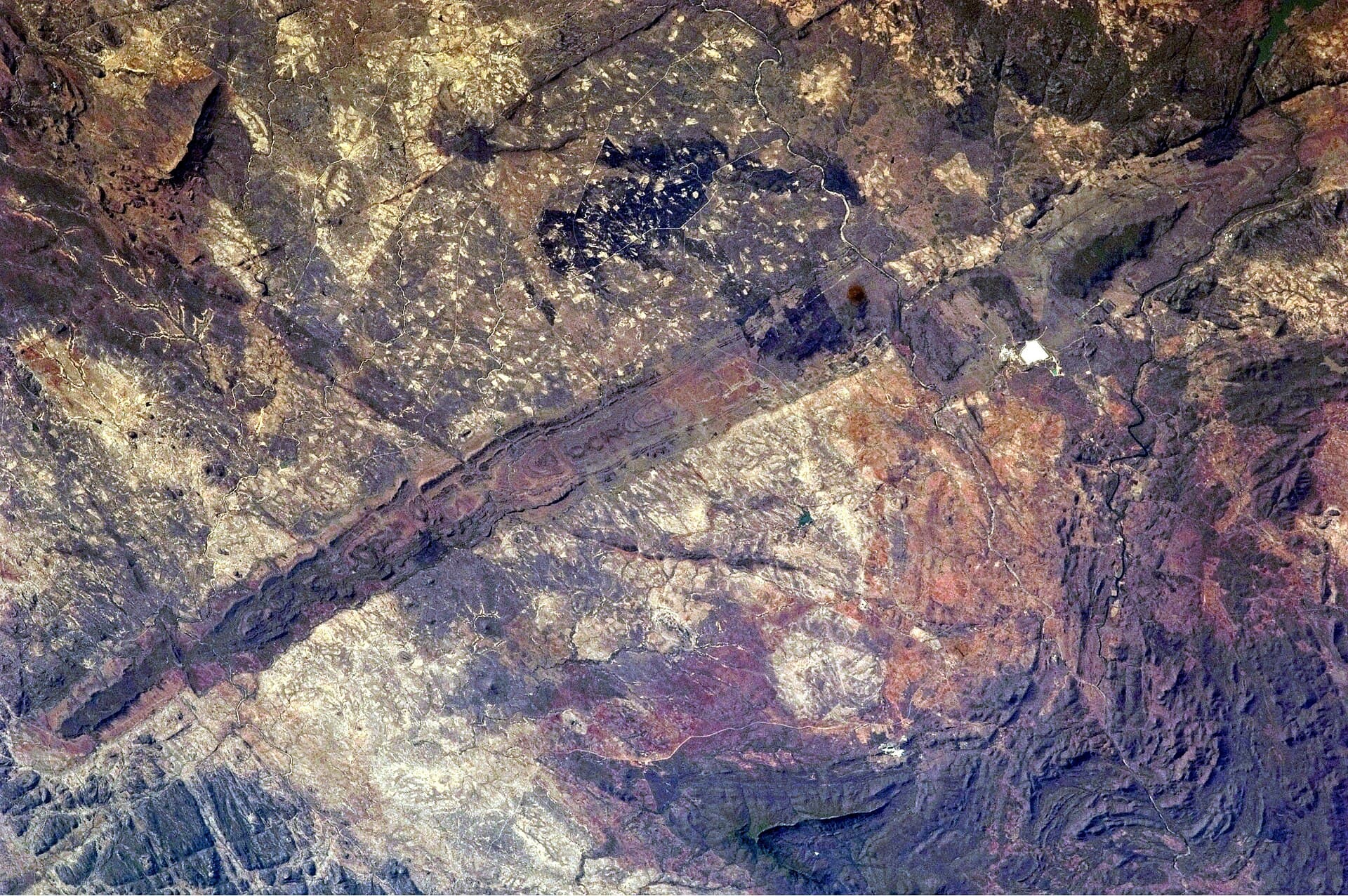
Work on the Karo Platinum project in Zimbabwe's Great Dyke continued through 2025, with ball mills delivered and installed on site and an expansion of the Chirundazi dam under way to secure the project's water supply. Karo is being developed jointly by the government of Zimbabwe and Karo Mining Holdings, in which Tharisa holds a 70% stake; Karo Mining in turn indirectly owns 85% of the platinum project, with Zimbabwe's government holding the remaining 15% on a free-carry basis.
A large, long-life resource
The project's initial probable reserves stand at 35.5 million tonnes grading 2.31 g/t, containing about 2.5 million ounces of platinum, palladium, rhodium and gold. Karo is designed to process 2.5 million tonnes of ore a year across a sequence of open pits, targeting 190,000 oz a year of six-element PGMs over a planned 17-year mine life. The first of four planned pits alone has a strike length of 7.6km and would be mined to an ultimate depth of 99m over roughly six years.
Economic studies have put the project's net present value, discounted at 10%, at $413m, with an internal rate of return of 26.1%. Phase one capital expenditure is estimated at $391m. The mine is also being built with its own 300MW solar photovoltaic plant, which is designed to feed excess power back into Zimbabwe's national grid once the mine's own needs are met, an unusual arrangement for a mine of this size in the country.
Part of a bigger Great Dyke story
Karo is one of several projects competing for capital and attention on the Great Dyke, a geological formation regarded as one of the world's largest untapped PGM resources. It sits alongside longer-running, and so far unrealised, ambitions such as the Darwendale project controlled by Great Dyke Investments. Karo's advantage has been consistent backers in Tharisa and the Zimbabwean state, and a phased development approach that has allowed construction to proceed even as PGM prices fluctuated.
The project's progress through 2025 set the stage for a run of financing and legal milestones over the following year, as Tharisa worked to close out the remaining capital the mine needs, agree fiscal terms with Harare, and eventually raise a dedicated bond to fund completion. Employment on site had reached 540 people by mid-2023, with the great majority of jobs earmarked for the local community as construction ramps up toward first production.
Sources
Photo: The Great Dyke geological formation in Zimbabwe, host to the Karo Platinum project. ISS Expedition 25 crew, Wikimedia Commons, Public domain.
Was this useful?
More from MiningWrap
The whole sector in one weekly read.
Deals, policy and markets — every Thursday.
Discussion
Loading comments…