Mali sets up state gold agency OMASP to plug leaky export chain
Parliament formalises a new regulator meant to bring artisanal and smuggled gold back into official channels

Mali's transitional parliament approved a law on 7 July 2026 creating the Malian Office of Precious Substances, a new state agency tasked with regulating and securing the sale of gold and other precious minerals. Known by its French acronym OMASP, the agency was originally created by decree in April 2026 and sits under the Ministry of Industry and Trade; the new law gives it a firmer legal basis to centralise gold flows, oversee transactions and improve export traceability.
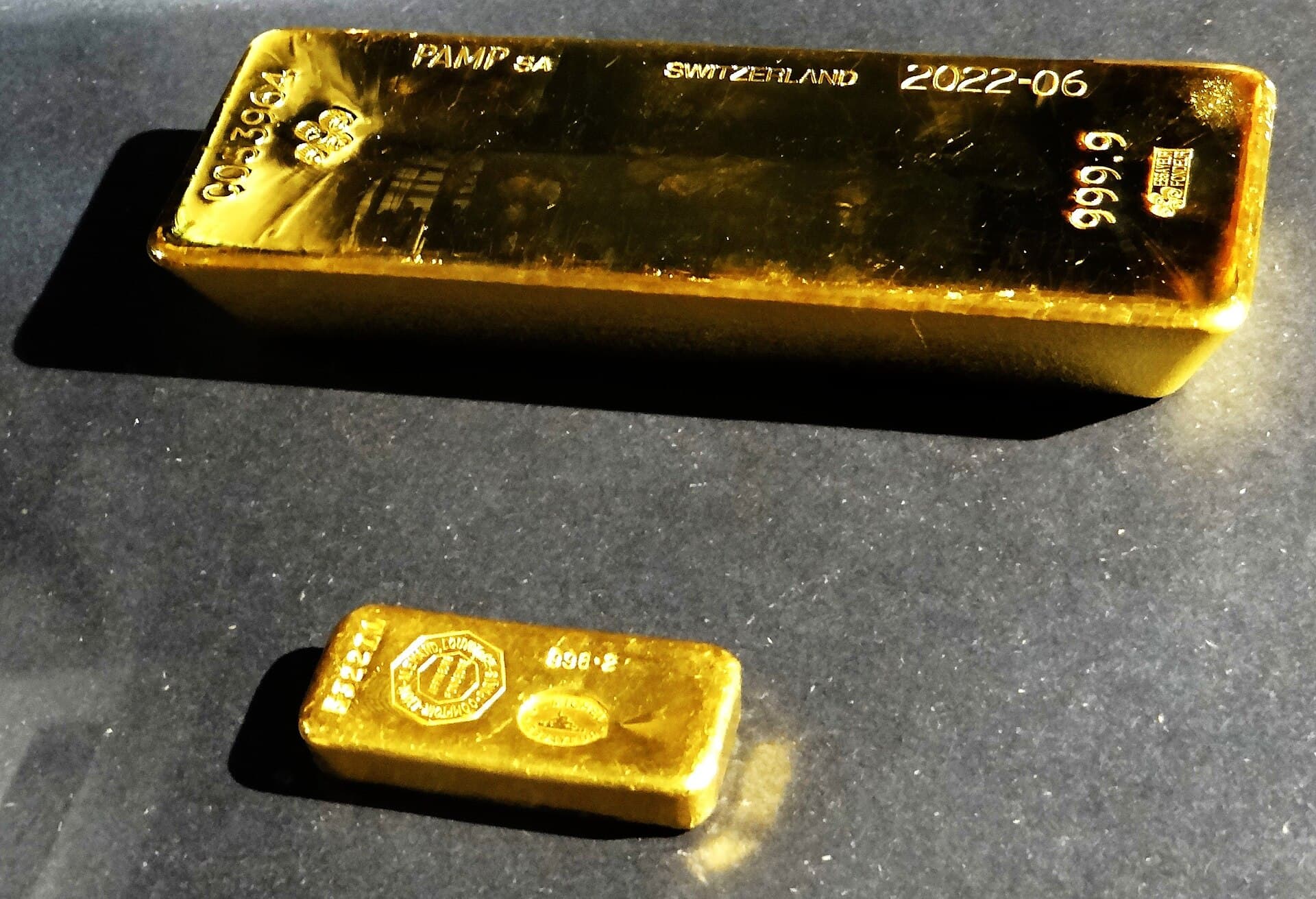
Gold is Mali's most important export and a central pillar of state revenue: industrial output is estimated at about 60 tonnes a year, while artisanal mining supports close to two million people across 350 to 400 sites nationwide. Gold accounts for roughly 25% of public revenue and nearly 75% of national exports, giving the government an outsized interest in tightening its grip on how the metal leaves the country.
The scale of the leakage
The reform targets a persistent gap between Mali's official gold output and the volumes that leave the country through informal channels. Swiss advocacy group SWISSAID has estimated Mali's undeclared gold exports at 30 to 57 tonnes a year, worth as much as $3.77bn. Looking further back, unrecorded volumes between 2012 and 2022 were estimated at about 300 tonnes, worth some $13.5bn — sums that dwarf many of the fiscal gains Mali's government has claimed from renegotiating contracts with large foreign miners.
Part of a broader overhaul
OMASP is the latest piece of a wider mining reform programme that began with Mali's revised 2023 mining code, which raised the combined stake of the state and local investors in industrial projects to 30% and increased tax duties on foreign operators. Sector audits under the new rules have already helped recover about 761 billion CFA francs in arrears from mining companies. The government is separately building a 200-tonne-capacity gold refinery in Senou, near Bamako, intended to raise local processing and cut exports of unrefined metal.
A difficult balancing act
Formalising Mali's vast artisanal gold sector without pushing miners further into informality is likely to prove the hardest part of the reform. If OMASP's rules are too strict, small-scale miners may simply stay outside the official system; if enforcement is too weak, the smuggling that costs Mali billions each year will continue largely unabated. Success will ultimately depend on the state building the governance capacity, security and trust needed to bring miners, buyers and formal markets closer together — a test that will shape how much of Mali's gold wealth actually reaches the public purse.
Sources
Photo: The flag of Mali, which has created a new state agency to regulate gold exports and curb smuggling. Inna.dicko, Wikimedia Commons, CC0.
Was this useful?
More from MiningWrap
The whole sector in one weekly read.
Deals, policy and markets — every Thursday.
Discussion
Loading comments…