Mali's industrial gold output falls 22.9% in 2025 on Barrick standoff
Provisional figures show the cost of the Loulo-Gounkoto suspension to Mali's mining sector
Mali's industrial gold production declined 22.9% in 2025, hit by the prolonged suspension of Barrick's Loulo-Gounkoto operations amid a dispute over stricter mining regulations, Reuters reported this week, citing provisional government figures.
The fall came even as Mali pressed ahead with reforms designed to capture more value from its mining sector under the code introduced in 2023. A sweeping audit of mining companies recovered 761bn CFA francs (about $1.2bn) in arrears, the government said in December, underlining how much revenue it believes the industry had previously under-declared.
A costly stand-off
The tougher rules, however, sparked a near two-year standoff with Barrick that saw Loulo-Gounkoto — Mali's single largest gold producer — placed under provisional administration for months. Barrick suspended production at the complex in January 2025 after authorities seized gold stock and blocked exports; a court then installed a state administrator in June, and production only resumed in October, before an agreement returning operational control to Barrick was reached in November.
Loulo-Gounkoto produced 723,000 ounces of gold in 2024 and typically accounts for around 14% of Barrick's global output, so its months of reduced or halted activity through 2025 weighed heavily on Mali's national totals, even as smaller producers continued operating largely unaffected.
What it means
The figures illustrate the trade-off at the heart of Mali's mining-code push: tougher terms and a $1.2bn arrears recovery on one hand, against a near-quarter drop in industrial output on the other, largely attributable to a single dispute. For a government reliant on gold for foreign-exchange earnings and budget revenue, a 22.9% contraction is a meaningful hit, even if it was concentrated in one complex rather than spread across the sector.
For Barrick and other international miners weighing investment in Mali, the figures are a reminder that resource-nationalist policy shifts can carry a real production cost, not just a legal and reputational one, when disputes escalate to full suspensions.
What's next
With Loulo-Gounkoto back under Barrick's operational control since the November settlement, and its permit renewal in progress, Mali's government will be looking for 2026 output to rebound. How quickly the complex returns to its pre-dispute production run-rate will be the clearest test of whether the settlement has actually restored normal operations, rather than simply ended the legal standoff.
Sources
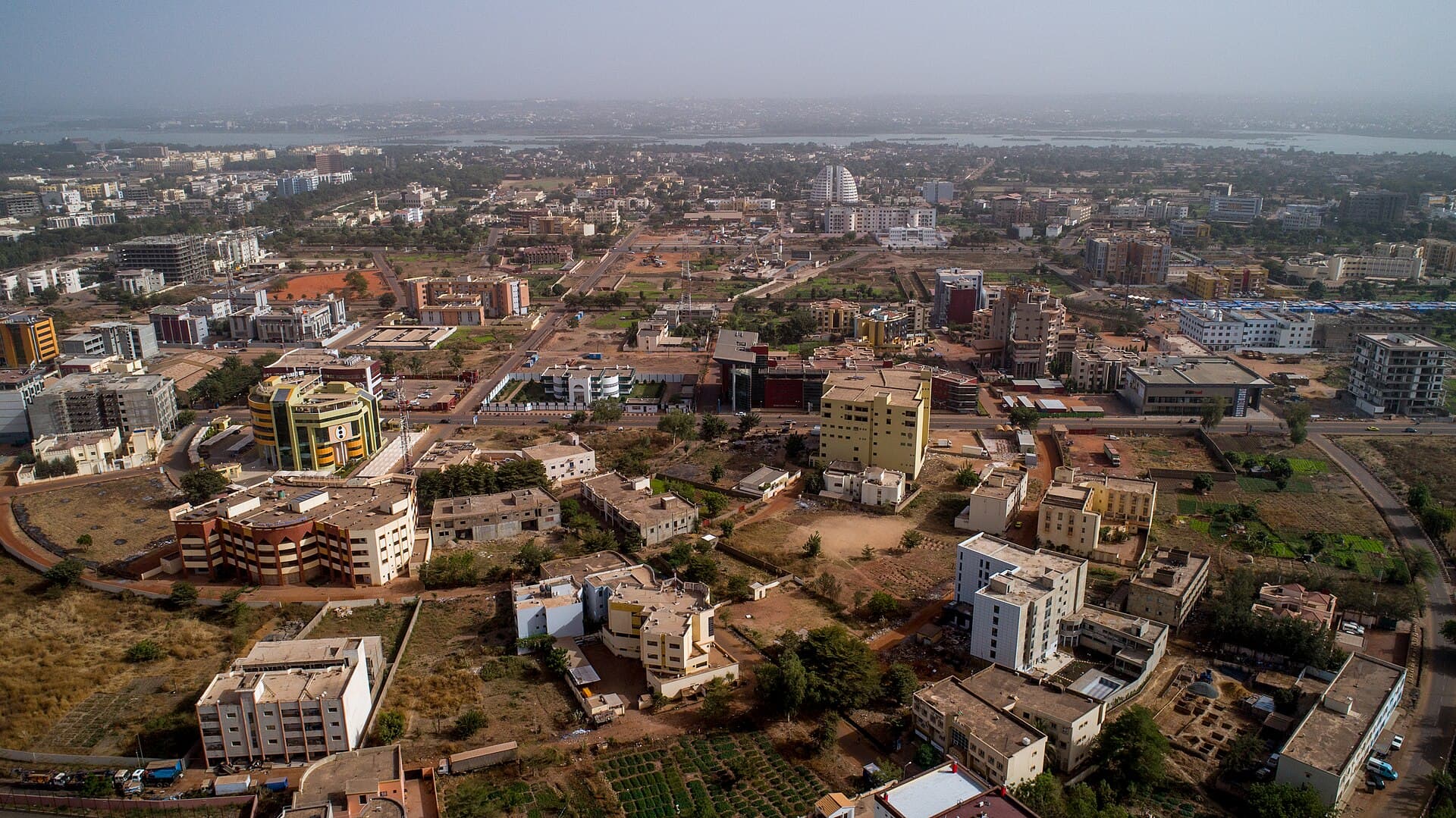
Photo: Aerial view of Bamako, Mali's capital, where the government tracks the country's industrial gold output. Mark Fischer, Wikimedia Commons, CC BY-SA 4.0.
Was this useful?
More from MiningWrap


The whole sector in one weekly read.
Deals, policy and markets — every Thursday.
Discussion
Loading comments…