Barrick and Mali settle $430m dispute over Loulo-Gounkoto
The agreement ends a stand-off that saw the state seize gold, suspend output and detain four employees at one of Africa's biggest gold complexes
Barrick Mining Corporation and the government of Mali have agreed to settle a bitter two-year dispute over the Loulo-Gounkoto gold complex, with the Canadian miner paying 244 billion CFA francs (about $430m) to Bamako in exchange for the return of full operational control and the dropping of all criminal charges against the company and its local affiliates.
Under the terms announced on 24 November 2025, Barrick must pay the bulk of the settlement within six days of signing, with a further 50 billion CFA francs settled through VAT-credit offsets. Mali also agreed to release four Barrick employees who had been detained for roughly a year as the dispute escalated. In return, Barrick is withdrawing the arbitration case it had filed at the World Bank's International Centre for Settlement of Investment Disputes after Mali's junta-led government blocked gold shipments from the site.
A dispute born of a new mining code
The stand-off dates back to 2023, when Mali's military government introduced a revised mining code that raised taxes and increased the state's entitlement to equity in gold projects. Tensions boiled over in 2024 when the state seized Barrick's gold stocks, forced a suspension of operations, and placed Loulo-Gounkoto under provisional administration, one of the most aggressive moves yet in a wave of Sahelian resource nationalism that has also swept through Niger, Burkina Faso and Guinea.
Loulo-Gounkoto, in which Barrick holds an 80% stake against Mali's 20%, produced 723,000 ounces in 2024, ranking it among the world's ten largest gold mines. Its prolonged closure had already cost Barrick significant output and cast a shadow over the broader operating environment for foreign miners in the Sahel.
Markets react, leadership shifts
News of the settlement sent Barrick's shares to a 52-week high in New York, part of a share price that has more than doubled over the year, outperforming rivals Newmont and Agnico Eagle. The resolution also closes a chapter for the company following the earlier departure of long-serving chief executive Mark Bristow, who had personally overseen the development of Loulo-Gounkoto since the 1990s.
What it means for West African mining
For Mali, the settlement secures an immediate cash injection and validates the tougher fiscal terms it has imposed on foreign operators since 2023, even as it keeps a marquee foreign investor onside. Analysts expect the restart and ramp-up of full production to take six to twelve months. The episode is likely to be studied closely by other West African governments weighing how far to push resource nationalism against the risk of driving away the capital needed to keep mines running.
Sources
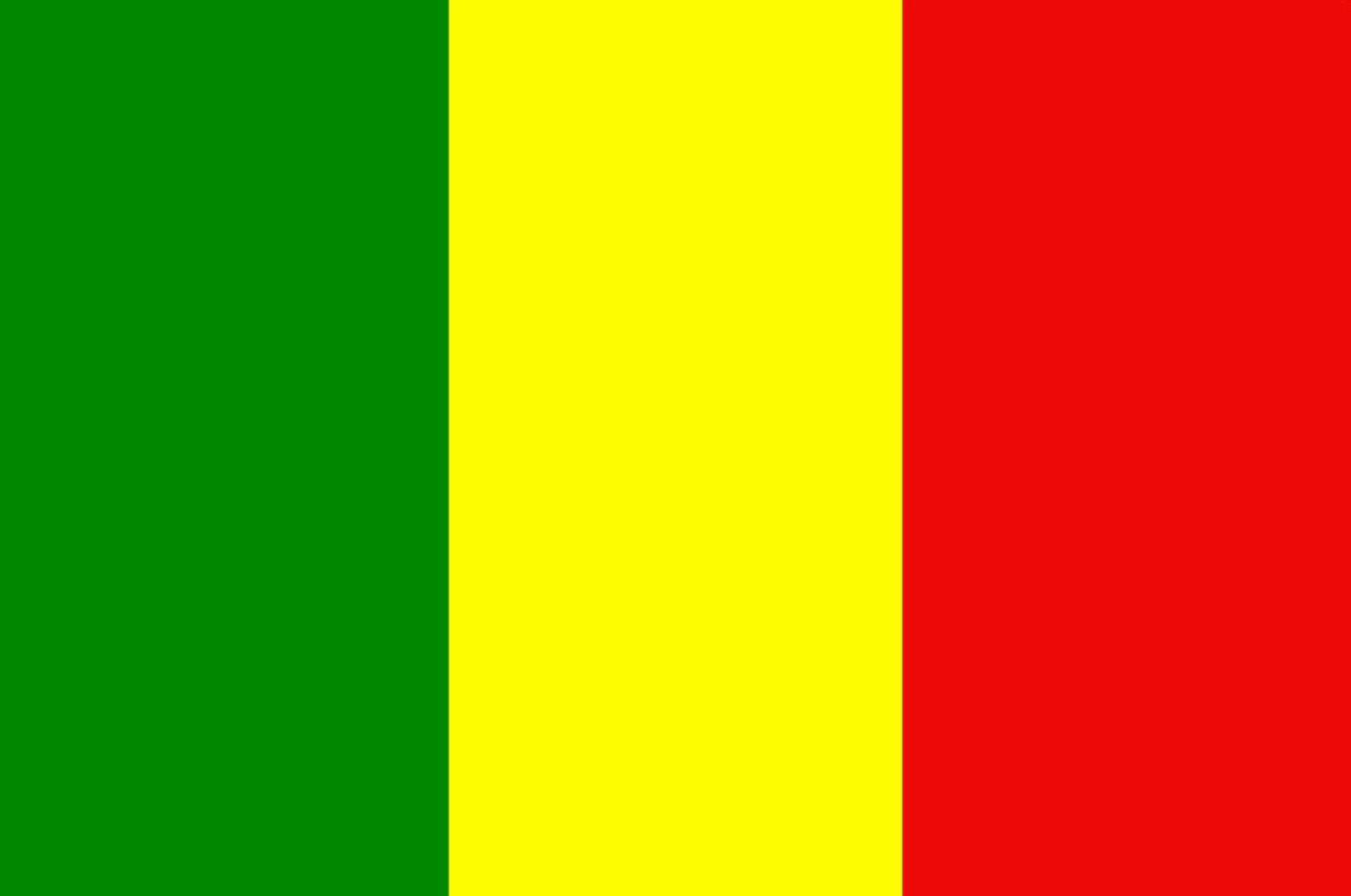
Photo: The flag of Mali, whose military government has taken an increasingly assertive stance on foreign-owned gold mines. Inna.dicko, Wikimedia Commons, CC0.
Was this useful?
More from MiningWrap

The whole sector in one weekly read.
Deals, policy and markets — every Thursday.
Discussion
Loading comments…