Iran war acid squeeze puts up to 125,000t of Congo copper at risk
Wood Mackenzie estimates sulphuric acid shortages could strip significant volumes from DRC leach operations
A major squeeze is emerging across industrial metals markets as the ongoing US-Israeli war against Iran compounds structural supply shortfalls, with copper trading near its all-time closing high even as the conflict threatens to strip meaningful volumes from Congolese production.
Copper has benefited from surging demand linked to data centres, electric-grid construction and electric vehicles, but supply conditions have deteriorated further since the conflict began four months earlier and the Strait of Hormuz was effectively closed. The disruption pushed Brent crude from $72 to above $90 a barrel, raising diesel costs for mine operators and more than doubling the price of sulphur, a byproduct of oil refining used to produce sulphuric acid — a key input at copper and nickel mines.
A specific number for the DRC
Consultancy Wood Mackenzie estimated that sulphur supply disruptions could remove up to 125,000 tonnes of copper output in the Democratic Republic of Congo, where a large share of production relies on acid-leaching rather than conventional smelting. Morgan Stanley analyst Amy Gower warned a further 200,000 tonnes was at risk in Chile, partly because of China's ban on sulphuric acid exports, while Goldman Sachs revised its copper price forecasts higher to reflect the tightening outlook.
An acid crisis hiding in plain sight
The estimate gave concrete shape to warnings Ivanhoe founder Robert Friedland had first raised in March about the DRC's heavy reliance on Middle Eastern sulphur, and confirmed that the risk extended well beyond any single company to the entire Congolese leach-copper sector. With roughly 45% of the DRC's copper production depending on sulphuric acid leaching, according to later analysis from the International Energy Agency, the acid shortage represented a slow-moving but potentially significant drag on the country's output at precisely the moment global copper markets could least afford to lose supply. Unlike the seismic disruption at Kamoa-Kakula, which hit one mine acutely, the acid squeeze threatened to impose a smaller but more widely distributed cost across nearly every leach operation in Katanga and Lualaba simultaneously.
Sources
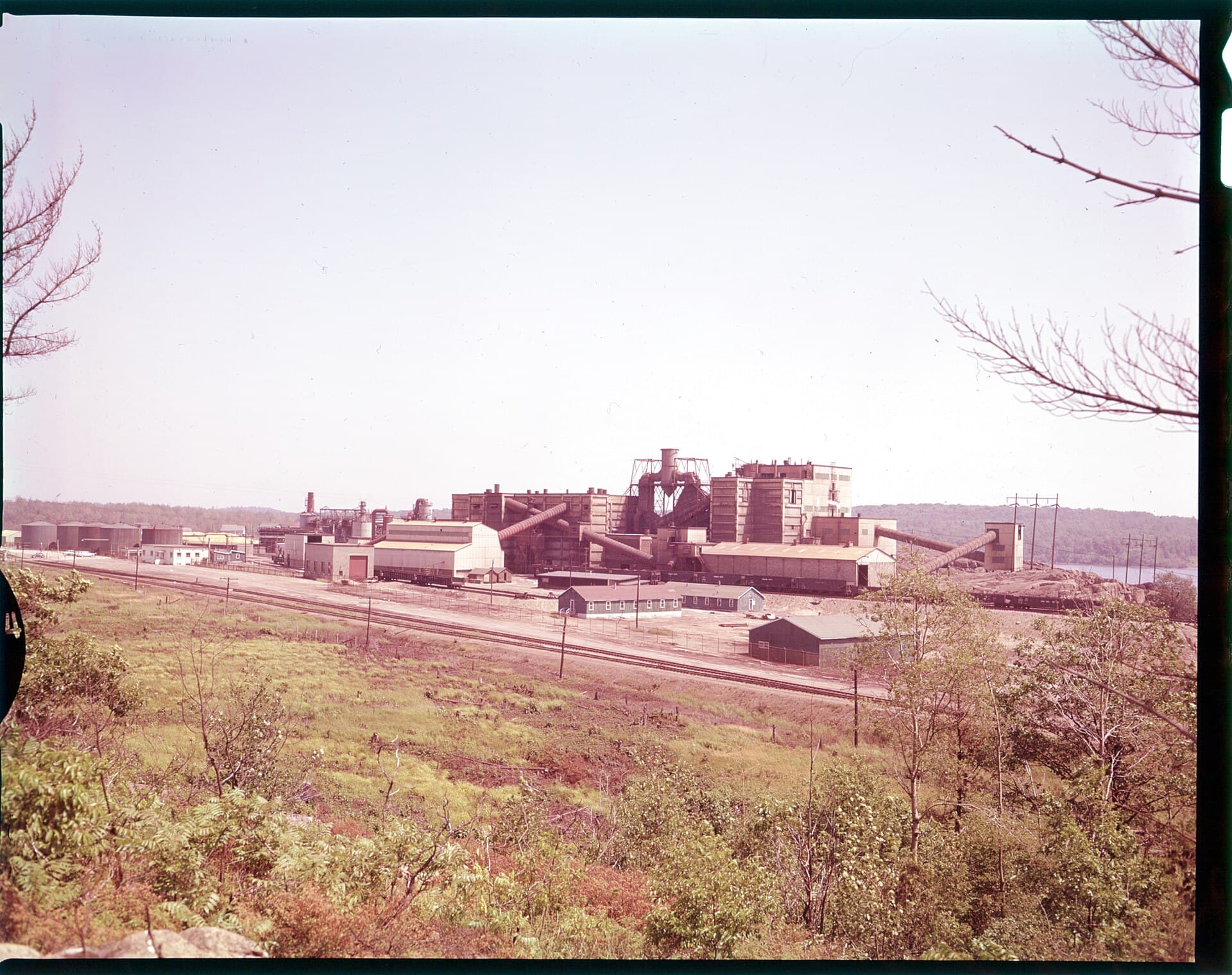
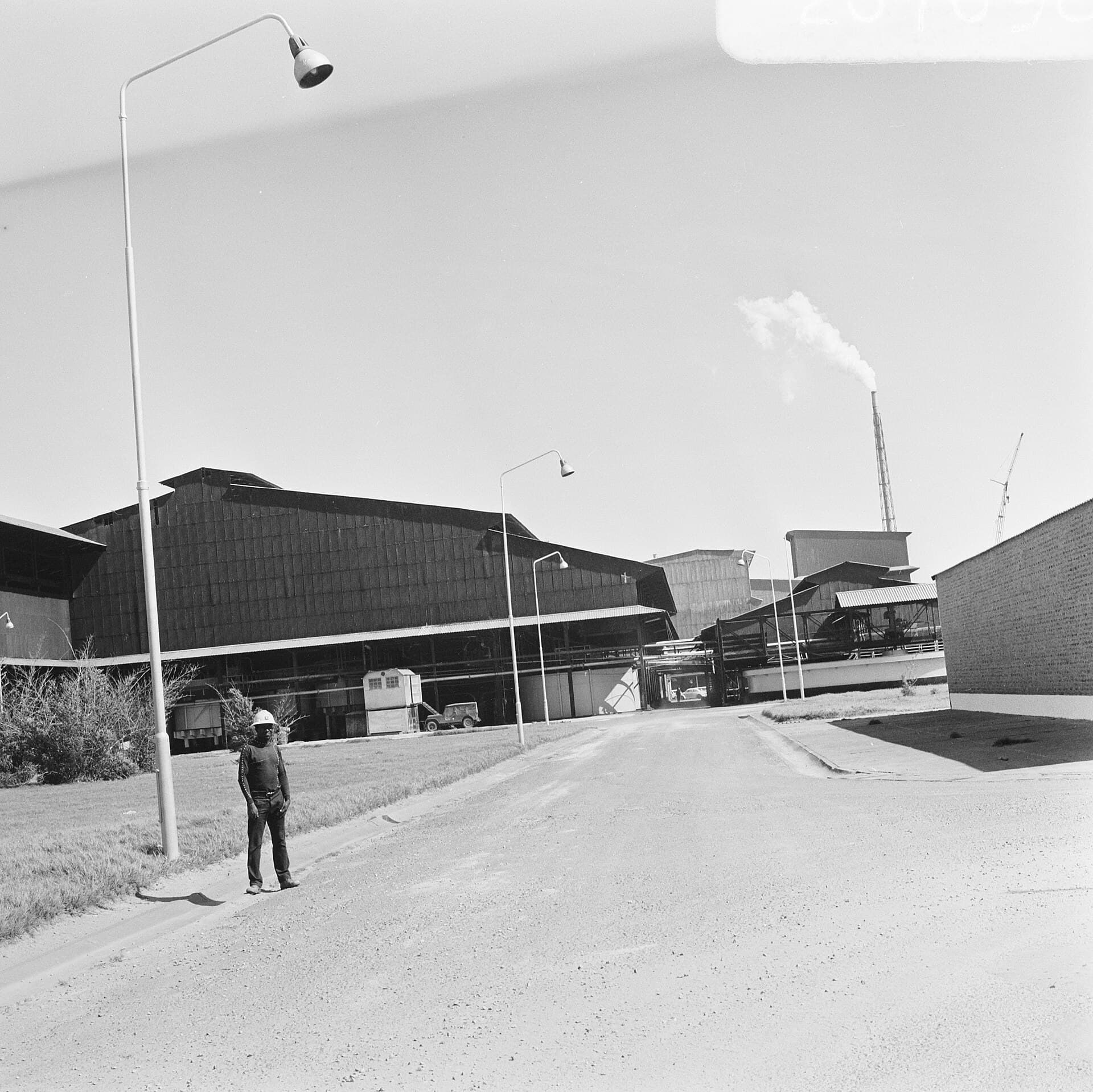
Photo: A sulphuric acid plant of the kind used to supply leaching acid for copper processing in the DRC. Unknown, Wikimedia Commons, OGL-ON.
Was this useful?
More from MiningWrap
The whole sector in one weekly read.
Deals, policy and markets — every Thursday.
Discussion
Loading comments…