Ivanhoe raises Kamoa-Kakula cost outlook as dewatering advances
C1 cash costs rise to $1.90-$2.20 a pound as pumps arrive for a second stage of drainage work
Ivanhoe Mines has begun a second stage of dewatering at its Kamoa-Kakula copper complex in the Democratic Republic of Congo, but raised its production cash-cost forecast by 12% as the recovery from May's flooding proved more expensive than first estimated.
Two submersible pumps arrived at the site near Lubumbashi in far south-eastern DRC after earth tremors triggered flooding two months earlier, with two more due the following month as part of a $70m plan to drain the flooded eastern section of the mine by the end of the year. Ivanhoe's updated C1 cash cost forecast of $1.90 to $2.20 a pound of copper, up from $1.70 to $1.90, reflected the operation's continued reliance on lower-grade stockpiled ore of around 3% copper, pending access to higher-grade material.
Analysts see a long road back
BMO Capital Markets analyst Andrew Mikitchook said the company would provide an update on Kamoa-Kakula's recovery plan and ramp-up to steady-state operations, along with 2026 and 2027 production and cost guidance, the following month. "Management's goal is to return Kamoa-Kakula to similar throughputs as previously planned by 2027," he said, adding that higher-grade ore from the eastern section, running at roughly 5% copper, was not expected to become available again until the middle of the following year.
Patience required
The steadily rising cost estimates reflected the reality that dewatering a flooded underground mine at scale is a slow, capital-intensive process that cannot be meaningfully accelerated by throwing more money at it — pumping capacity, not cash, was the binding constraint. For investors, the message was that Kamoa-Kakula's return to its pre-flood production trajectory would take years rather than months, with each successive update likely to bring incremental rather than dramatic progress. That pattern would hold through the rest of 2025, as Ivanhoe worked through successive stages of pumping infrastructure before finally beginning the second, larger phase of dewatering in September, and it would take until well into 2026 before the company felt confident enough to publish fresh multi-year guidance for the mine.
Sources
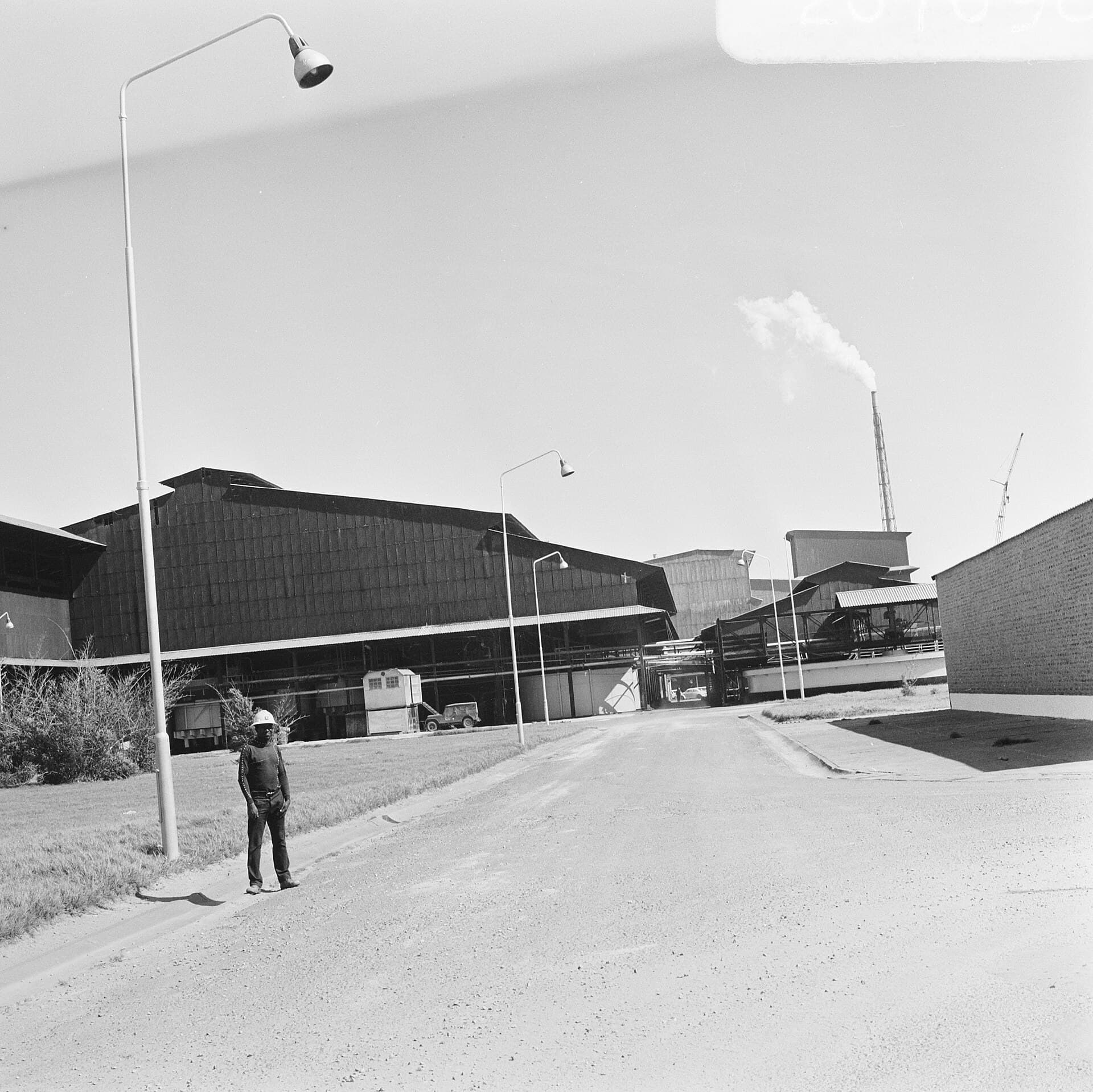
Photo: A copper mine in Kolwezi in the DRC's Katanga copperbelt region. Rob Mieremet / Anefo, Wikimedia Commons, CC0.
Was this useful?
More from MiningWrap
The whole sector in one weekly read.
Deals, policy and markets — every Thursday.
Discussion
Loading comments…