IEA warns copper supply outlook has 'worsened considerably' on acid crisis
The agency says DRC leach operations, which supply 45% of national copper output, are hostage to the sulphuric acid crunch
Copper mines producing more than a seventh of the world's primary supply are now hostage to a sulphuric acid market thrown into chaos by the Middle East conflict, according to the International Energy Agency, which warned the metal faces "a strong set of near-term challenges" even as its long-term supply picture modestly improves.
In its Global Critical Minerals Outlook 2026, the Paris-based agency said the copper market's short- and medium-term prospects had deteriorated sharply over the previous year. "Despite a slightly improved long-term outlook, the short- and medium-term supply outlook appears to have worsened considerably. Constraints on sulphuric acid availability pose a significant risk to SX-EW production. Coupled with slower-than-expected recoveries from disruptions at major mines and an already tight market, the copper market faces a strong set of near-term challenges," the IEA said.
A double supply shock
The acid problem stemmed directly from the effective closure of the Strait of Hormuz in February, which choked off the route for around half of global seaborne sulphur trade from Gulf countries and Iran, which together account for a quarter of world sulphur supply. Compounding the shock, China implemented a ban on sulphuric acid exports from May until the end of the year, cutting off almost a quarter of ex-China acid needs.
Why the DRC is exposed
That matters for copper because more than 15% of global primary output is produced via leaching, solvent extraction and electrowinning — a route that turns acid-leached ore directly into finished cathode at the mine site. The DRC, where almost 45% of copper production depends on sulphuric acid leaching, and Chile, already facing its own acid supply crunch, sit squarely in the path of the disruption. The IEA's assessment gave the clearest official confirmation yet that the acid crisis, first flagged by Ivanhoe's Robert Friedland back in March, had grown into a structural risk for the global copper market rather than a passing disruption. For Congolese producers, the warning added a further layer of uncertainty on top of Kamoa-Kakula's own seismic-related setbacks, even as Kinshasa continued to insist publicly that its mines remained well positioned to weather the disruption.
Sources
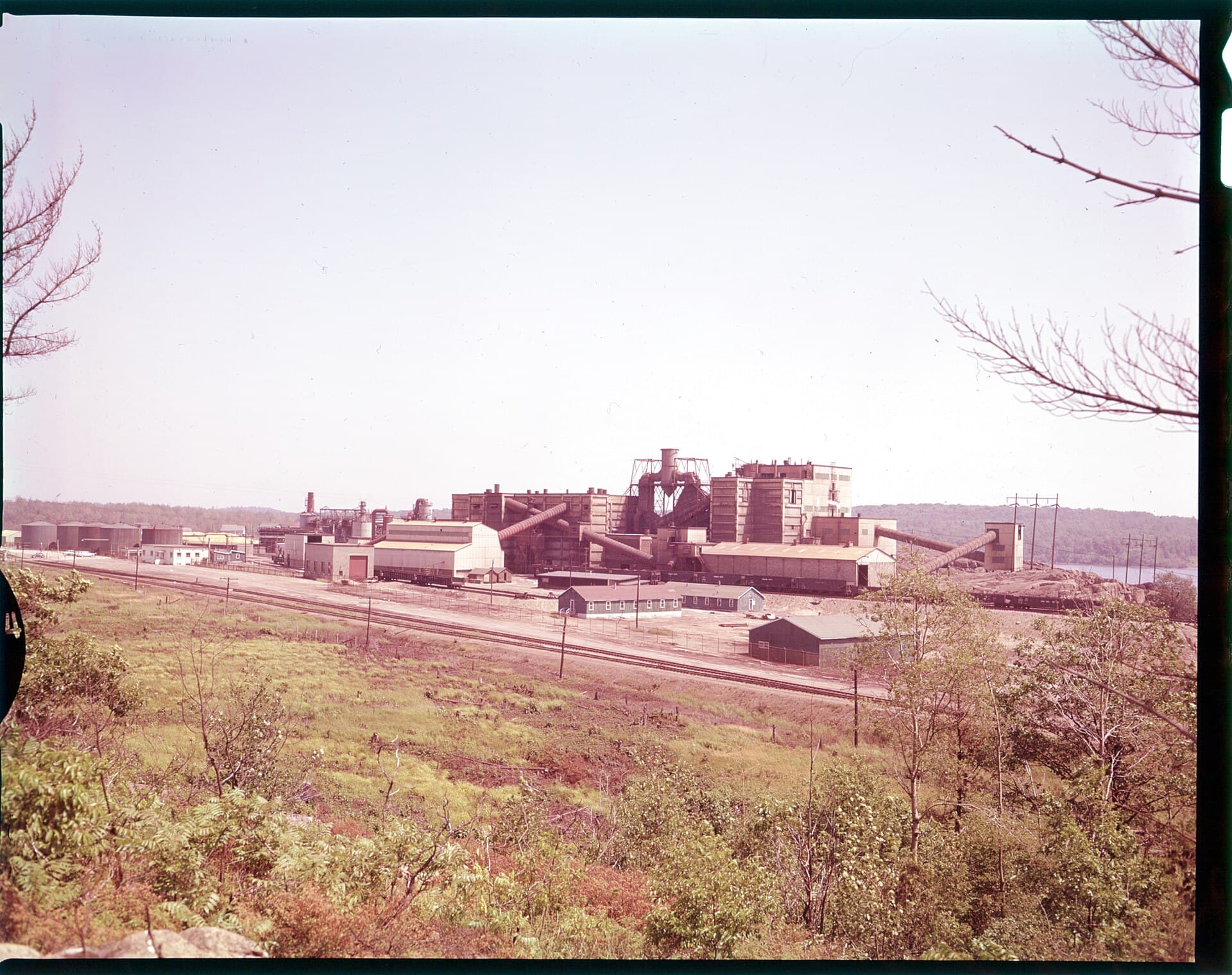
Photo: A sulphuric acid plant of the kind that supplies leaching acid to copper mines in the DRC. Unknown, Wikimedia Commons, OGL-ON.
Was this useful?
More from MiningWrap

The whole sector in one weekly read.
Deals, policy and markets — every Thursday.
Discussion
Loading comments…