Zijin warns Kamoa-Kakula flooding threatens its 2026 copper target
The Chinese miner expects its attributable output from the DRC complex to fall by as much as 57,000 tonnes this year

Zijin Mining Group says flooding at its Kamoa-Kakula mine in the Democratic Republic of Congo is putting its full-year copper production target under pressure, adding to global supply concerns as prices hover near record highs.
The Chinese miner said in its half-year report that it expects attributable output from Kamoa-Kakula to fall by as much as 57,000 tonnes this year. Zijin owns just over 44% of the project, which has been ramping up after seismic activity forced operations to halt the previous year and triggered subsequent flooding. The setback threatens Zijin's 2026 target of 1.2 million tonnes of mined copper across its operations in China, Serbia and Congo.
A shared burden
Ivanhoe Mines, Zijin's partner at Kamoa-Kakula, had already cut the mine's 2026 production guidance in April to 290,000-330,000 tonnes from a prior range of 380,000-420,000 tonnes. The disruption came as copper traded above $14,000 a tonne, close to its record high, with supply setbacks at major mines tightening the outlook while demand expectations remained strong, driven by electrification.
Two shareholders, one shortfall
Zijin's disclosure gave the clearest picture yet of how the Kamoa-Kakula saga had affected each of the project's major shareholders individually, rather than only the joint venture's headline production figures. For Zijin, a company with a sprawling international portfolio spanning gold, copper and other metals across several continents, the DRC shortfall represented a meaningful but manageable dent to its broader growth ambitions. For Ivanhoe, far more concentrated in the DRC, the same shortfall represented an existential test of the company's central investment thesis — that Kamoa-Kakula could become one of the world's premier copper mines on a predictable timeline. That two such differently exposed shareholders were now separately flagging the same shortfall, using their own disclosure regimes and to their own investor bases, made the scale of the setback harder for the market to dismiss as company-specific noise.
Sources
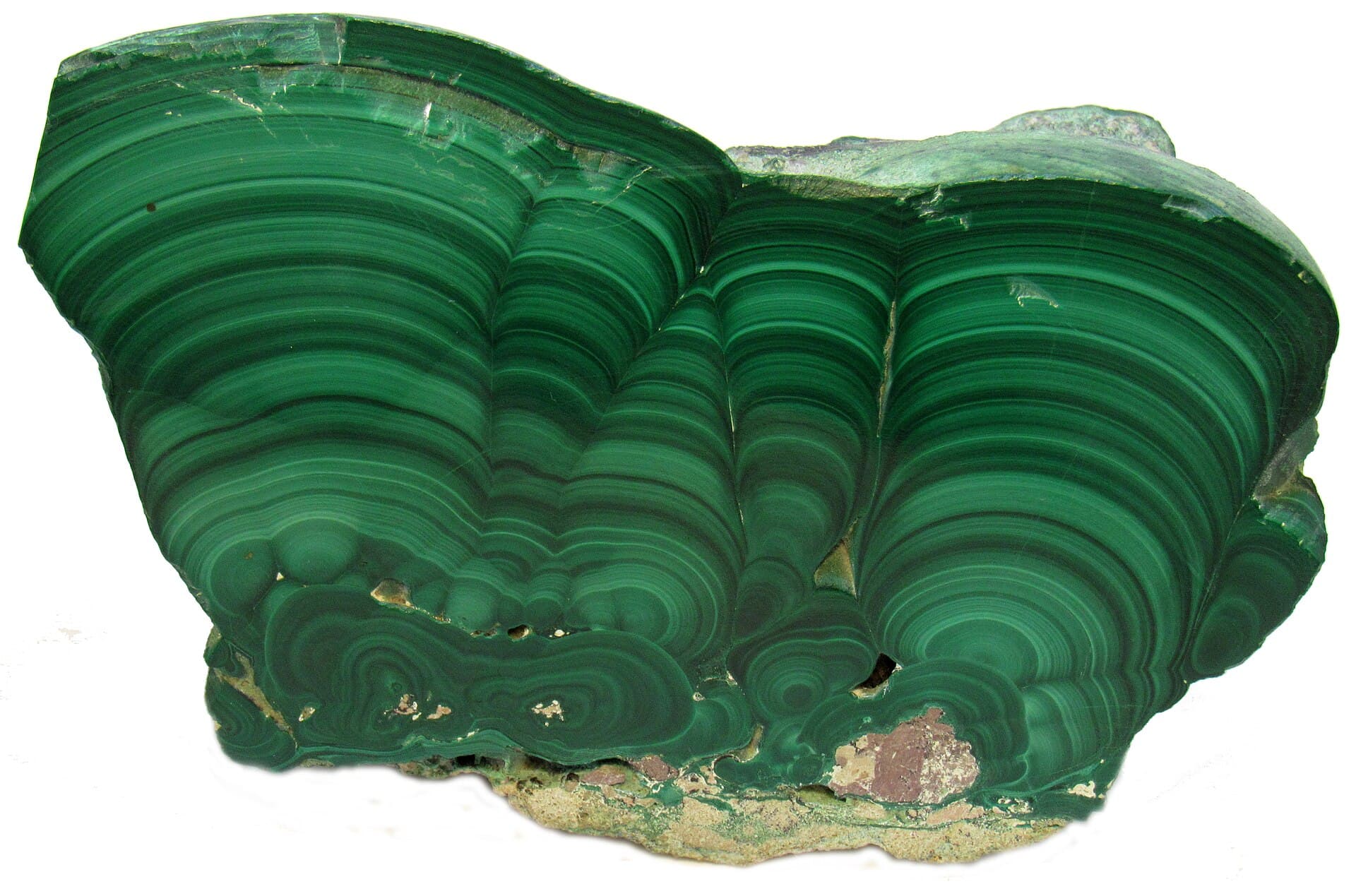
Photo: Malachite copper ore from the Democratic Republic of Congo's copperbelt. Luc Viatour, Wikimedia Commons, CC BY-SA 3.0.
Was this useful?
More from MiningWrap
The whole sector in one weekly read.
Deals, policy and markets — every Thursday.
Discussion
Loading comments…