DRC lifts eight-month cobalt export ban, ushers in quota era
Trade resumes on 16 October 2025 under a new verification system, with 18,125 tonnes permitted for the rest of the year
The Democratic Republic of Congo formally lifted its cobalt export ban on 16 October 2025, eight months after ARECOMS first halted shipments to address a global oversupply. In its place came the quota system the regulator had outlined the previous month, alongside a new export management infrastructure.
How the transition worked
A new quota management system had already been introduced on 10 October, six days ahead of the ban's formal lift, to give ARECOMS time to set up the verification apparatus needed to police it: mandatory joint sampling, weighing and sealing of export lots, and quota verification certificates that exporters must obtain before shipments clear customs. For the remaining months of 2025, the total permitted export volume was set at 18,125 tonnes, broken into monthly tranches — roughly 3,625 tonnes in October and about 7,250 tonnes in each of November and December — before the full annual quota system took effect on 1 January 2026.
Under the emerging allocation structure, six major mining companies — including CMOC, Glencore and Eurasian Resources Group — were positioned to receive around 79% of the available quota share, with government-controlled platforms such as the state cobalt buyer Entreprise Générale du Cobalt (EGC), the Société pour le Traitement du Terril de Lubumbashi (STL) and ARECOMS itself allocated roughly 16,700 tonnes for 2026.
Why it matters
The lifting of the ban ended eight months of acute uncertainty for a global battery supply chain that depends on Congo for more than 70% of mined cobalt. But it did not restore the pre-2025 status quo: exports would now run at less than half of 2024's volumes, meaning the disruption to global cobalt supply — and the higher prices that came with it — was set to persist for years rather than end with the ban itself.
For Chinese refiners who had spent months managing dwindling hydroxide stockpiles and improvising with costlier processing routes, the reopening offered relief but not abundance: raw material would keep flowing, just far more slowly and unpredictably than before February 2025.
What happens next
Attention shifted to how smoothly the new verification system would function in practice, and to how individual company quotas would be allocated and enforced — questions that would generate friction of their own in the months that followed, including disputes over pace of shipment and the size of the government's discretionary strategic reserve.
Sources
- Mysteel: Analysis of DRC's cobalt export quota system: implementation, impacts, and market implications, 16 Oct 2025
- mining-technology.com: DRC cobalt export conditions tighten with new quota and royalty rules, 08 Dec 2025
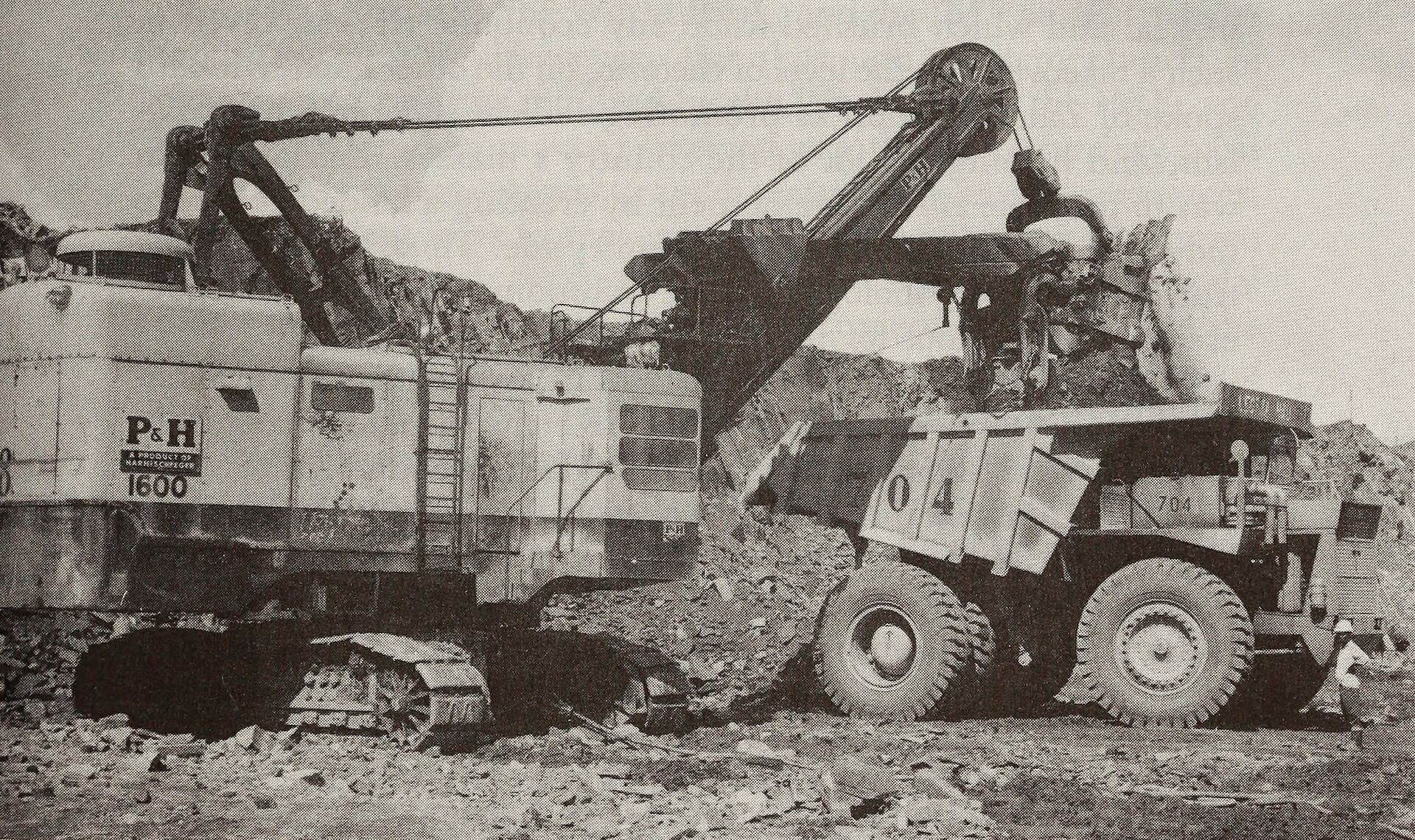
Photo: Copper and cobalt ore being loaded for processing at a mine in the DRC's copperbelt. Gécamines (Zairian company), Wikimedia Commons, Public domain.
Was this useful?
More from MiningWrap
The whole sector in one weekly read.
Deals, policy and markets — every Thursday.
Discussion
Loading comments…