Chinese refiners turn to dissolving cobalt metal as feedstock dries up
With Congolese hydroxide scarce ahead of the quota system, smelters switch to a costlier, slower processing route
With Congolese cobalt hydroxide growing scarce ahead of the Democratic Republic of Congo's new quota system, Chinese refiners began switching to an alternative and less efficient processing route in early October 2025: dissolving cobalt metal directly into sulphate, rather than relying on hydroxide feedstock from Congo.
A costly workaround
The DRC's quota system was due to take effect on 16 October 2025, but shipments from Congo typically take around three months to reach Chinese ports — creating a timing gap that landed squarely in China's peak seasonal demand period of September and October. Rather than run short, refiners turned to cobalt metal, dissolving it into sulphate at a cost that market sources said remained profitable when metal could be sourced in the range of 260,000 to 290,000 yuan a tonne.
The shift showed up quickly in prices: cobalt sulphate at 20.5% cobalt content jumped to between 65,000 and 70,000 yuan a tonne by late September, up 7.14% in a single day, while cobalt metal at 99.8% purity rallied 8.09% to between 316,000 and 325,000 yuan a tonne. But the workaround came with real operational costs. Few Chinese smelters have dedicated dissolution lines built for processing metal rather than hydroxide, and one major producer said cobalt cathode material was "harder to dissolve and less efficient to handle," with turnaround times stretching to around two weeks compared with the faster hydroxide route.
Why it matters
The episode illustrated how quickly disruption to Congo's cobalt exports rippled through the global battery supply chain, forcing refiners thousands of kilometres away to adopt slower, costlier production methods rather than simply wait out a feedstock shortage. It also underscored China's continued reliance on Congolese cobalt even as Beijing sought to diversify its critical mineral supply chains — there was no ready substitute for Congo's hydroxide at the volumes Chinese battery manufacturers required.
For Congo, the episode was an early sign that its export controls were achieving one of their intended effects: tightening supply and lifting prices, even before the formal quota system had taken effect.
What happens next
The workaround was likely to prove temporary once Congolese quota shipments began reaching China in volume, but it left Chinese refiners more attuned to the risk of relying so heavily on a single, policy-volatile source of feedstock.
Sources
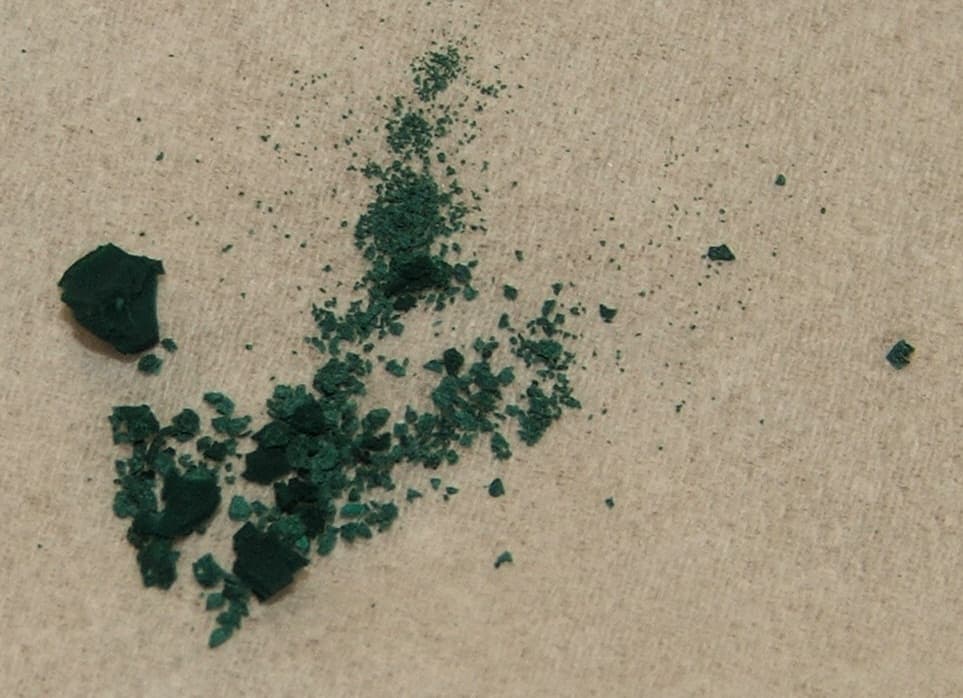
Photo: A sample of cobalt hydroxide, the intermediate product typically exported from the DRC. Chemicalinterest, Wikimedia Commons, Public domain.
Was this useful?
More from MiningWrap
US-backed Lobito deal between DRC and Angola targets week-long copper transit
Mota-Engil lines up $1bn US-backed concession for Congo copper railway
Tanzania expands Dar es Salaam port as DRC plans dedicated mineral dry port
The whole sector in one weekly read.
Deals, policy and markets — every Thursday.
Discussion
Loading comments…