Petra Diamonds ditches regular tender cycles as prices keep sliding
The miner will now sell opportunistically and report only quarterly as it fights to preserve cash
Petra Diamonds has abandoned its practice of holding diamonds for scheduled tender cycles, telling investors it will instead sell opportunistically and report sales results quarterly rather than after every tender, as persistently weak prices squeeze the South African miner's cash flow.
The company said that "in response to fluctuations in diamond prices and demand, the company no longer follows regular tender cycles and may postpone portions of tenders or sell goods as run-of-mine." The shift effectively mirrors an approach De Beers itself has used during previous downturns: holding back stock rather than dumping it into a weak market, in order to avoid setting a lower reference price for future sales.
A mine past its best
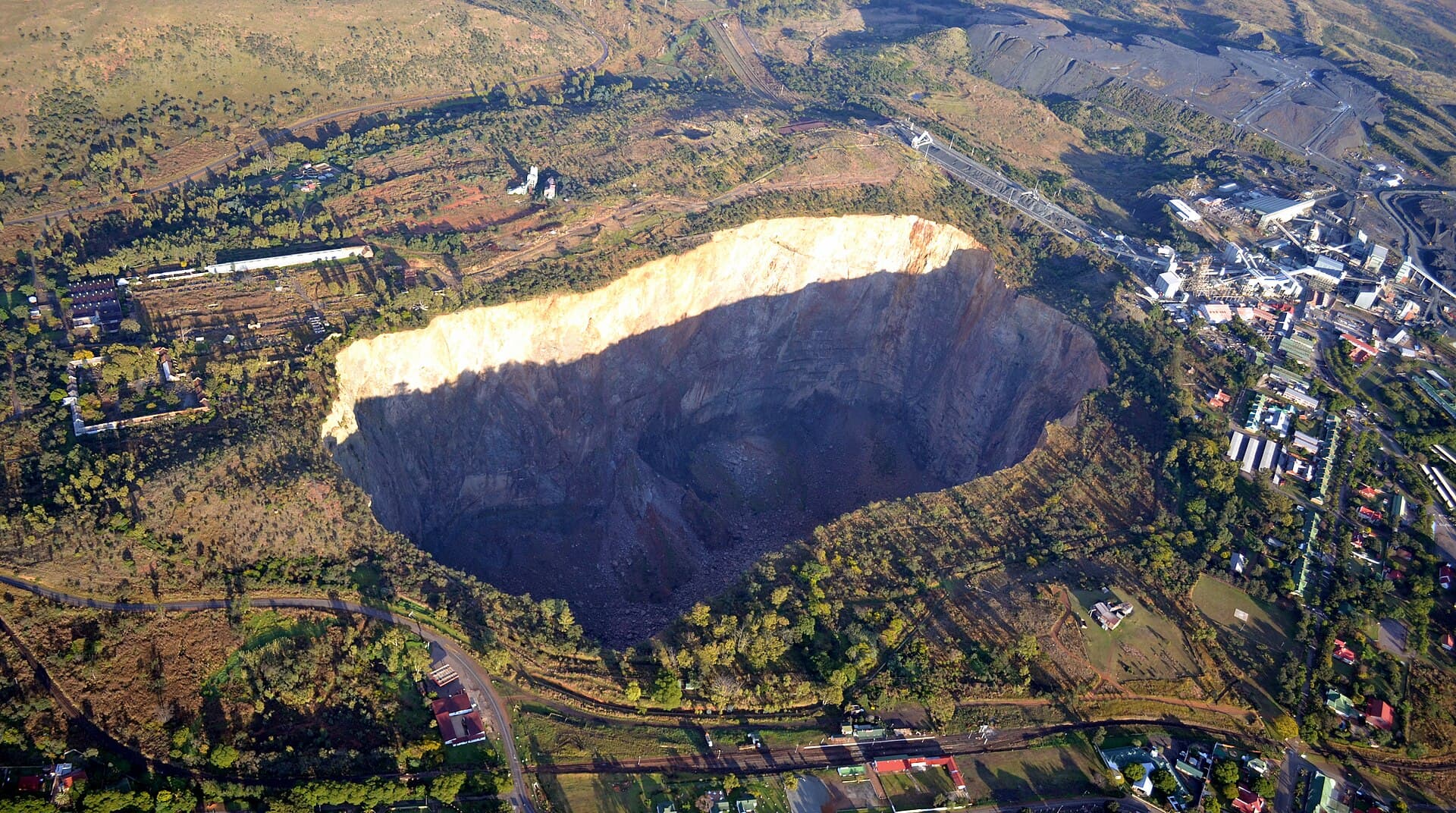
Behind the change lies a deteriorating product mix at Petra's flagship Cullinan mine, where the ageing C-Cut orebody has been yielding a lower proportion of high-value stones. Combined with prices that were running 16% below the same period in 2024, the softer mix has hit revenue hard: year-to-date sales fell to $239 million from $329 million a year earlier.
The financial strain was severe enough that S&P downgraded Petra's credit rating to CCC, flagging an elevated risk of default, while consolidated net debt climbed to $258 million. A $273 million bond due in March 2026 loomed as an immediate refinancing challenge for management.
Part of an industry-wide retreat
Petra's move reflects a broader retreat from transparent, scheduled selling across the rough diamond trade. When buyers know exactly when and how much supply is coming to market, sellers lose negotiating leverage in a falling market; irregular, opportunistic sales give producers more room to hold back goods when bids disappoint. Rivals from De Beers to smaller Southern African producers have leaned on similar tactics as the downturn, driven by lab-grown competition and weak Chinese demand, has dragged on.
What it signals
For investors, the abandonment of a predictable sales calendar makes it harder to track Petra's underlying trading performance in real time, but management's priority is clearly liquidity preservation over transparency. The move set the stage for the deeper refinancing Petra would need to complete later in 2025 to keep both Cullinan and Finsch operating through the downturn.
Sources
Photo: The Cullinan diamond mine near Pretoria, South Africa, operated by Petra Diamonds. Paul Parsons (paulus.parsons@gmail.com), Wikimedia Commons, CC BY-SA 3.0.
Was this useful?
More from MiningWrap

The whole sector in one weekly read.
Deals, policy and markets — every Thursday.
Discussion
Loading comments…