Green shoots for Petra Diamonds as high-value prices firm
Record-low industry production and renewed De Beers marketing spark cautious optimism for the stricken miner
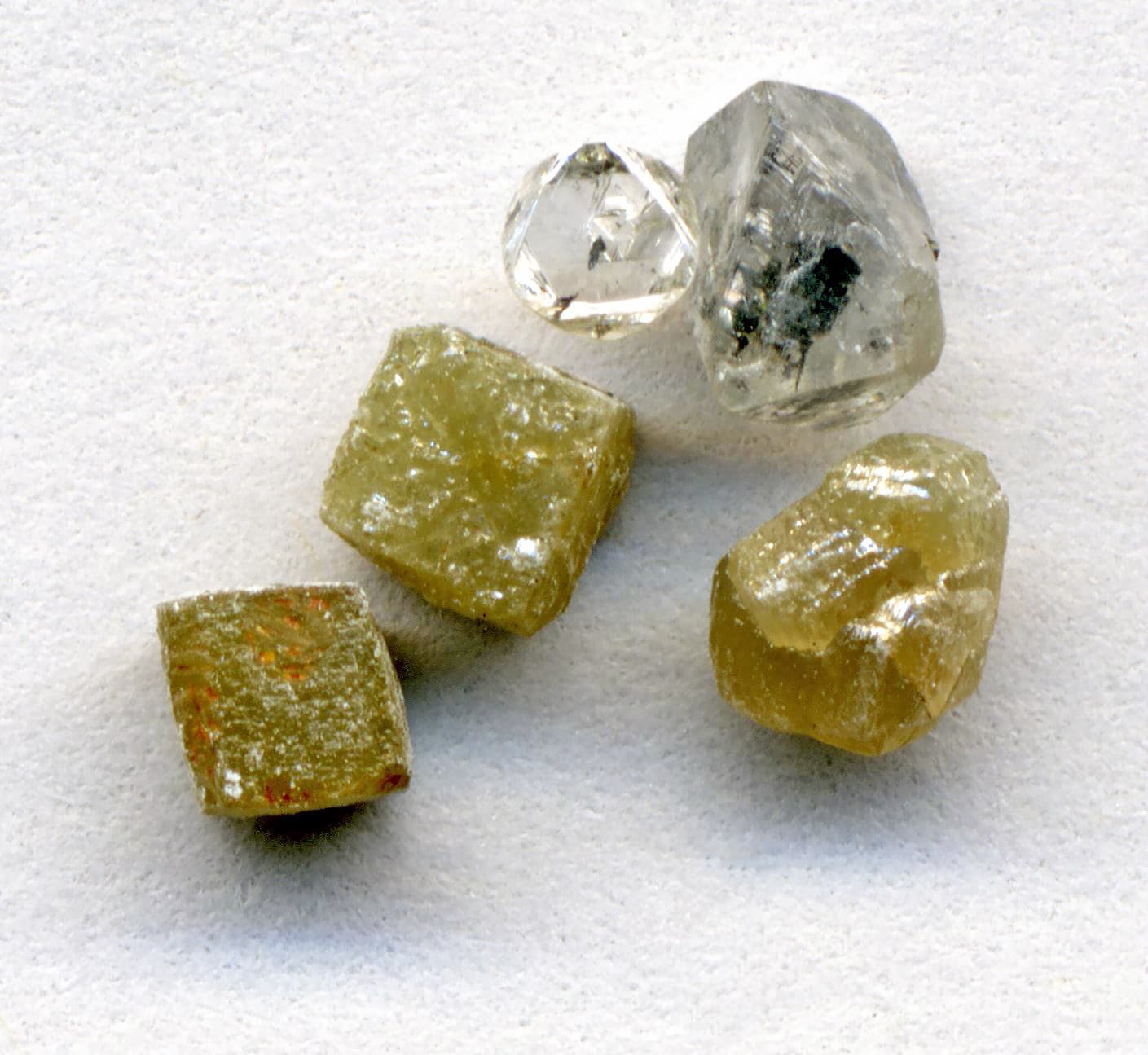
After a brutal run for South Africa's Petra Diamonds, tentative signs of a price recovery for higher-value stones emerged in mid-2025, with prices for premium diamonds up around 10% during the year even as the broader market remained weak.
The improvement mattered because Petra's revenue had fallen sharply, to $239 million from $329 million a year earlier, while average prices across its six auctions were still running 16% below 2024 levels. Consolidated net debt stood at $258 million at the end of March, with a $273 million bond due to mature that same month in 2026 — a deadline that made any sign of a turnaround in pricing more than academic for the company's survival.
Supply finally catching up with demand
Analyst Paul Zimnisky argued that "record-low production and a paucity of new supply may finally be moving the needle" on prices, pointing to the string of output cuts across the industry — from De Beers's guidance reductions to Petra's own tender changes — as a factor now working in producers' favour rather than against them. Global rough production has fallen a long way from its 2006 peak of nearly 180 million carats and is expected to stay flat at 100 million to 125 million carats through 2029, with some forecasts pointing to a long-term decline to around half of current levels.
Marketing starts to matter again
UBS analyst Myles Allsop said "the diamond market is starting to recover, with prices up modestly from the floor," crediting both supply curtailment and De Beers's renewed advertising push aimed at differentiating natural diamonds from laboratory-grown alternatives. That marketing shift would become a recurring theme through 2026, as producers tried to reassert the emotional and scarcity value of mined stones against far cheaper synthetics.
Still a fragile recovery
For Petra, however, a modest uptick in prices for its best stones was not by itself enough to resolve its balance-sheet problems. The looming 2026 bond maturity meant management still needed to refinance, and much of the group's Finsch output — dominated by smaller, cheaper stones — remained exposed to the segment of the market lab-grown diamonds had hit hardest. The episode illustrated a pattern that would recur throughout the downturn: pockets of price strength at the top of the market, masking continued pain further down it.
Sources
Photo: Rough octahedral and cubic diamond crystals from African production. James St. John, Wikimedia Commons, CC BY 2.0.
Was this useful?
More from MiningWrap
The whole sector in one weekly read.
Deals, policy and markets — every Thursday.
Discussion
Loading comments…