Lucara's 2025 revenue falls 22% as large-stone supply thins out
Karowe's famous big-diamond pipeline slowed even as the mine kept setting recovery records
Lucara Diamond Corp reported 2025 revenue of $159.7 million, down 22% on the prior year, with net profit falling 35% to $26.1 million, as a temporary shortage of the very large, exceptional stones that have made its Karowe mine in Botswana famous weighed on results even as broader diamond prices held up better than at many peers.
Karowe has built its reputation on a remarkable run of outsized diamond recoveries, including the 2,488-carat Motswedi — the largest diamond found in more than a century — and the 1,109-carat Lesedi La Rona. When that flow of headline-grabbing stones slows even temporarily, Lucara's revenue takes an outsized hit, since a handful of exceptional diamonds can account for a disproportionate share of annual sales value at a mine of Karowe's size.
Still hunting for the next giant
Despite the softer year, Lucara's underlying operations kept delivering: the company would go on, within weeks of reporting results, to recover a rare 36.92-carat blue diamond from processed stockpile material, and later in the year would pull its tenth diamond exceeding 1,000 carats from the mine since operations began — a milestone no other diamond mine in history has matched. Those recoveries reinforced Karowe's standing as the world's most prolific source of exceptionally large, high-value diamonds, even as annual financial results told a more sober story.
Financed for the long haul
Lucara used the period to shore up its balance sheet, successfully placing a $350 million bond in March 2026 and using the proceeds to repay existing project debt, a move that gave the company more financial flexibility to weather a rough diamond market still dealing with lab-grown competition and soft demand.
A single-mine story with global reach
Because Karowe is Lucara's only material producing asset, the company's results serve as a useful, if volatile, barometer for the ultra-high end of the diamond market — the segment least directly threatened by lab-grown competition, since synthetic stones of comparable size and quality remain far rarer and less commercially significant. Investors watching Lucara through 2026 were, in effect, watching a real-time test of whether demand for the rarest natural diamonds could hold up even as the market for smaller, everyday stones continued to struggle.
Sources
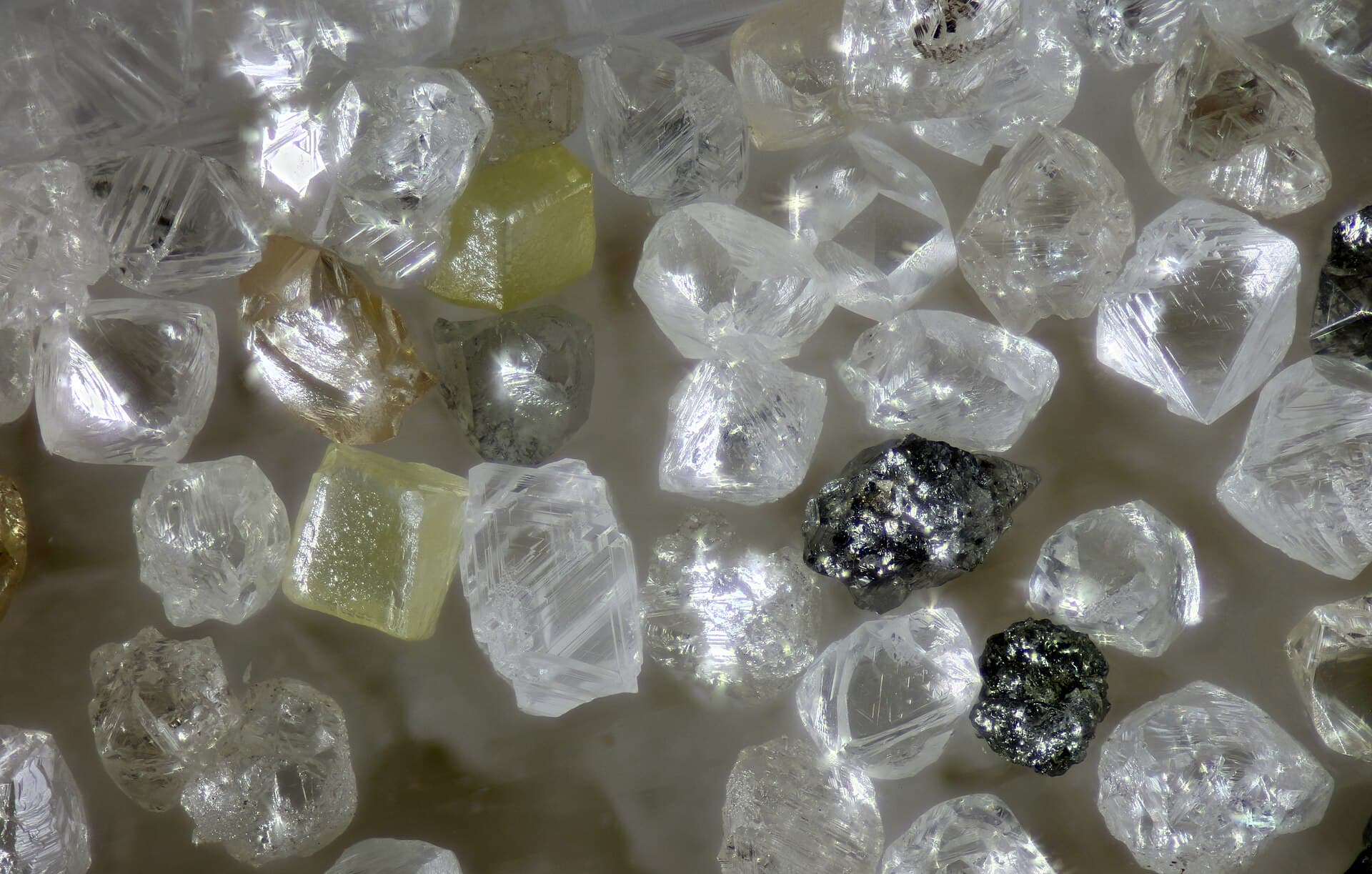
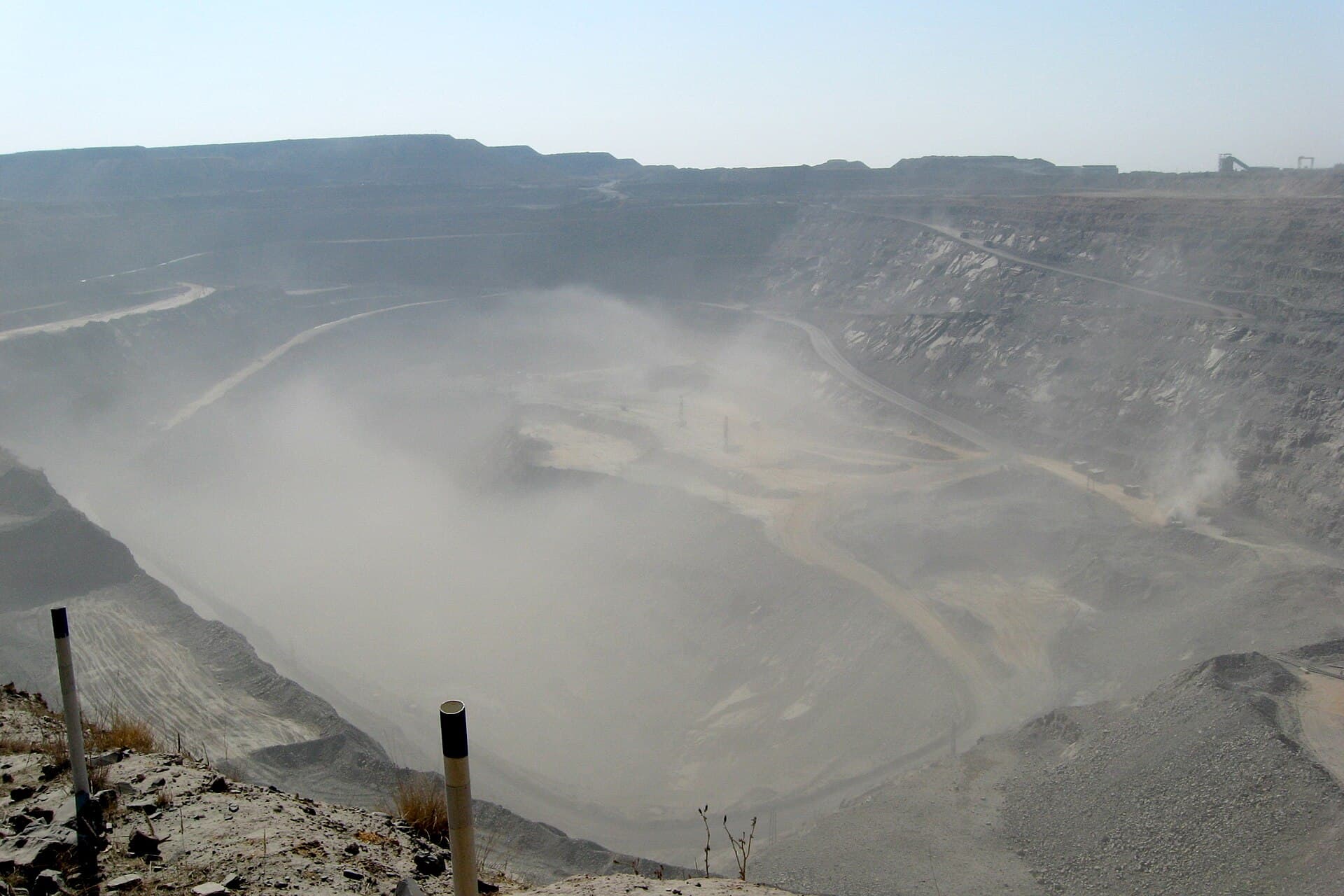
Photo: A polished diamond; Lucara's Karowe mine in Botswana specialises in exceptional large stones. Jerry Cone, Wikimedia Commons, Public domain.
Was this useful?
More from MiningWrap


The whole sector in one weekly read.
Deals, policy and markets — every Thursday.
Discussion
Loading comments…