US-backed Orion consortium signs MOU for $9bn stake in Glencore's Congo copper mines
The proposed 40% stake in Mutanda and Kamoto Copper Company is framed as part of a US-DRC critical minerals partnership
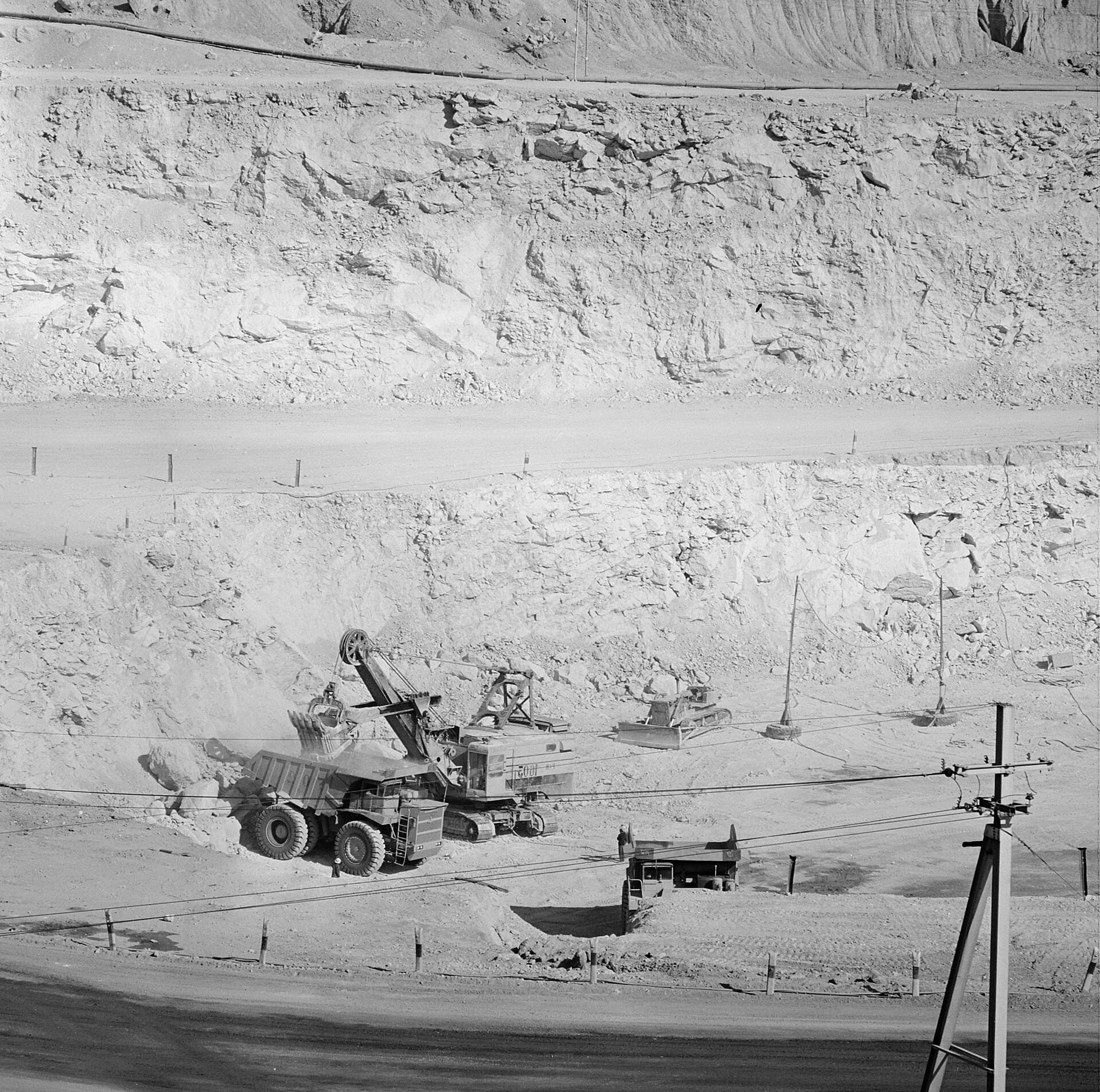
Glencore announced on 3 February 2026 that it had signed a non-binding memorandum of understanding with the Orion Critical Mineral Consortium, a partnership between investment firm Orion Resource Partners and the US government, covering a proposed acquisition of a 40% interest in Glencore's holdings in Mutanda Mining and Kamoto Copper Company, two of the largest copper and cobalt operations in the Democratic Republic of Congo. The proposed transaction implies a combined enterprise value for the two operations, commonly referred to as Mumi and KCC, of around $9bn.
How the deal would work
Under the proposed structure, Glencore would continue to operate both mines as part of its broader group rather than ceding operational control, while Orion would gain the right to appoint non-executive directors to the operating companies and to direct the sale of its share of production to buyers it designates. That structure is designed to secure a dedicated supply line of Congolese copper and cobalt for the United States and its allies without disrupting Glencore's existing operating model or workforce.
Part of a broader US strategy
The MOU followed a December 2025 US-DRC Strategic Partnership Agreement establishing a bilateral framework intended to expand American participation in Congolese mining, part of a wider push by Washington to counter China's dominant position in African cobalt and copper supply chains. The Glencore-Orion talks came alongside other American-linked moves in the region, including the Lobito Corridor rail financing, as the US sought to build a more comprehensive critical-minerals presence spanning both mine ownership and export logistics.
Why Mutanda and Kamoto matter
Mutanda has historically been one of the world's largest cobalt mines, while Kamoto Copper Company is a major copper and cobalt producer in its own right, together representing a significant share of DRC's, and therefore the world's, cobalt output. A deal of this size would mark one of the largest Western strategic investments in Congolese mining in years, though as a non-binding MOU it still required substantial further negotiation, DRC government engagement, and regulatory clearance before any binding transaction could be signed.
Should the transaction proceed to a binding agreement, it would rank among the largest Western strategic investments in African copper and cobalt in years, and would be closely watched as a test case for how far US-backed consortiums can go in securing supply chains without taking on full operational control of the underlying assets.
Sources
- Glencore: Proposed acquisition by US-backed Orion Critical Mineral Consortium of a strategic stake in Glencore's DRC assets, 03 Feb 2026
- Mining.com: Glencore to sell 40% stake in Congo mines to US-backed consortium, 04 Feb 2026
- AllAfrica: Congo-Kinshasa: U.S. Government-Backed Consortium Signs MOU to Buy 40% of Two DR Congo Mines, 04 Feb 2026
Photo: A copper mine near Kolwezi in the Democratic Republic of Congo's Copperbelt, home to Glencore's Mutanda and Kamoto operations. Rob Mieremet / Anefo, Wikimedia Commons, CC0.
Was this useful?
More from MiningWrap

Lobito Corridor could double cargo to 800,000 tonnes after $300m boost

US-backed Lobito deal between DRC and Angola targets week-long copper transit
The whole sector in one weekly read.
Deals, policy and markets — every Thursday.
Discussion
Loading comments…