ZESCO says Zambia's power supply is stable enough to rule out load shedding
The utility points to improved hydro, thermal and solar generation as reason for confidence heading into the rest of 2026
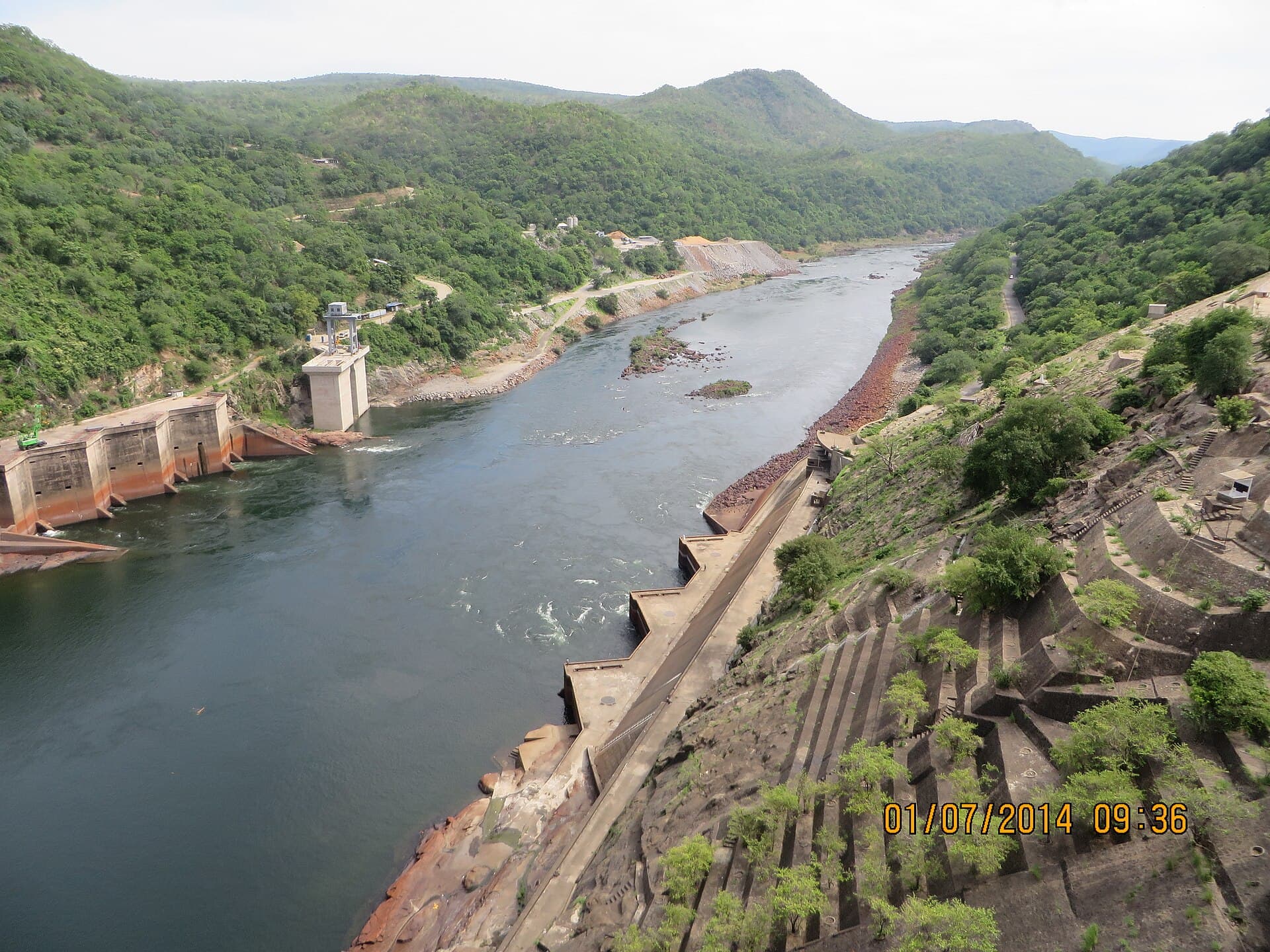
ZESCO Limited, Zambia's state power utility, has told the public that the country's electricity supply situation is stable and that nationwide load shedding will not return "this year and beyond", a marked change in tone from the drought-driven power cuts that hit Zambian households and mines hard in recent years. ZESCO managing director Justin Loongo made the assurance, attributing the improved outlook to stronger generation from hydro, thermal and solar sources and deeper partnerships with independent power producers and traders.
The reassurance follows the commissioning of the last of five generating units at the 750MW Kafue Gorge Lower hydropower station in March 2026, recovering water levels at Lake Kariba after a run of poor rainy seasons, and the steady addition of new solar and thermal capacity from independent power producers such as Copperbelt Energy Corporation and Maamba Energy.
A reversal from crisis conditions
Zambia's power sector was in crisis as recently as 2024, when drought cut Kariba's usable storage for hydropower generation to around 13%, forcing extended load shedding that curtailed mine ventilation, dewatering and smelting operations across the copperbelt. The Zambia Chamber of Mines had repeatedly warned that outages risked permanent damage to underground infrastructure and copper smelter furnaces. ZESCO's newly confident tone reflects both better rainfall and roughly 2,510MW of combined public and private generation projects the government says are under construction or newly commissioned, due for completion between 2025 and 2026.
To demonstrate the improvement, ZESCO announced a media tour of generation facilities in Maamba, Livingstone and surrounding areas, showcasing plants it says have added meaningfully to the national grid.
Mines still hedging their bets
Despite the reassurance, Zambia's mining industry has continued to sign its own power deals rather than rely solely on ZESCO's projections — First Quantum Minerals is developing a 430MW wind and solar project for its Kansanshi and Sentinel mines, while Vedanta's Konkola Copper Mines is separately planning a 300MW coal-fired plant. That parallel build-out suggests miners are hedging against the possibility that Zambia's mining sector, which the Copperbelt Energy Corporation estimates will need close to 10GW of new generation and $12 billion of investment to meet its growth ambitions, could still outgrow the utility's optimistic near-term outlook.
Sources
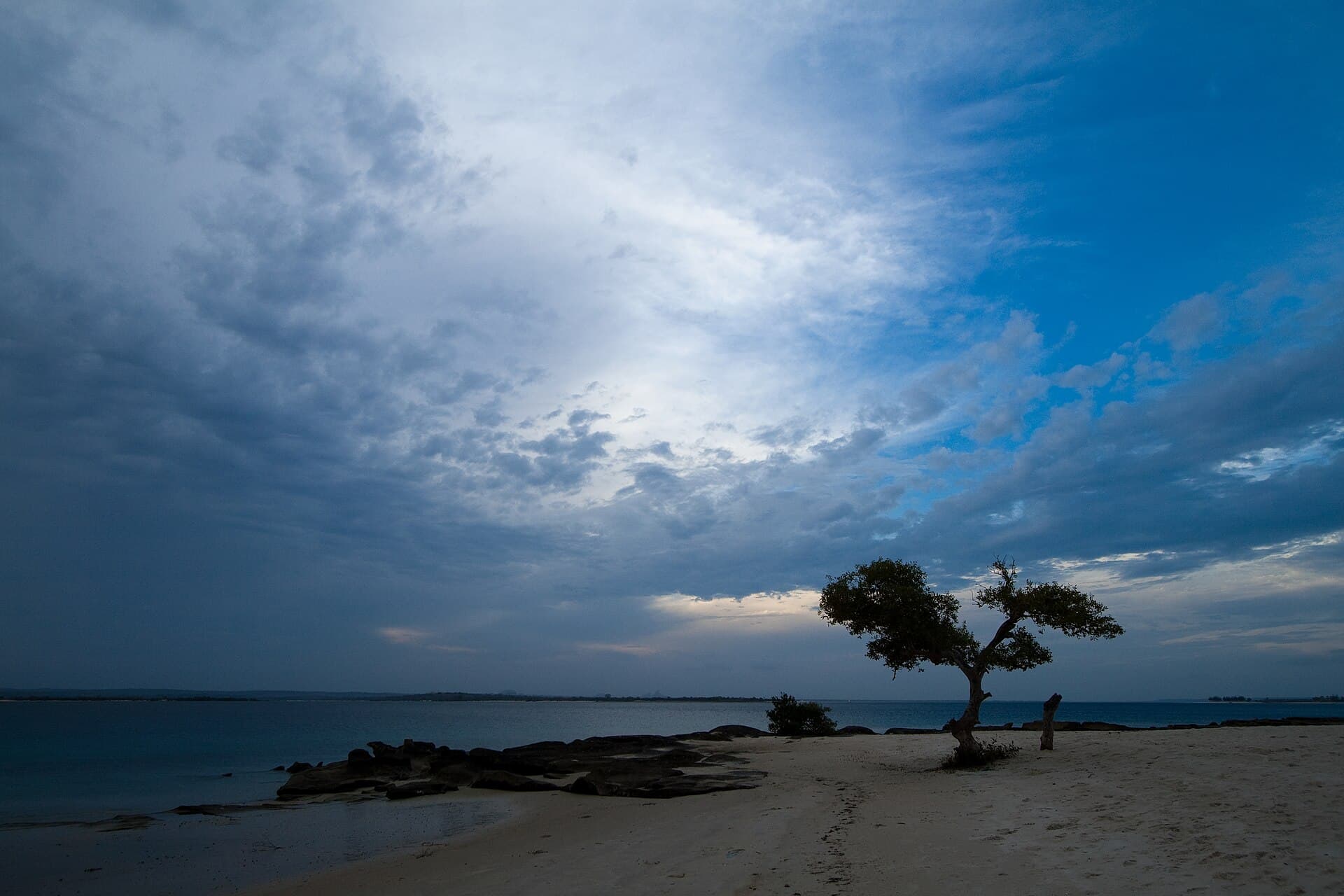
Photo: Lake Kariba, the hydropower reservoir shared by Zambia and Zimbabwe. Suesen, Wikimedia Commons, CC BY-SA 3.0.
Was this useful?
More from MiningWrap
DRC explores stake in $270m Zambia power link to ease copper belt crunch
China's CCECC signs Chinese copper miners into $1.24bn TAZARA revamp
Bridge collapse cuts DRC's main copper export route to Zambia
Four countries agree to extend the Nacala railway 2,400km to the DRC
The whole sector in one weekly read.
Deals, policy and markets — every Thursday.
Discussion
Loading comments…