Ivanhoe posts record revenue as Kamoa-Kakula nears record copper output
First-quarter copper production of 133,120 tonnes put the DRC complex on course for an annualised rate above 600,000 tonnes
Ivanhoe Mines shares surged to a one-month high after the company reported record first-quarter results driven by strong performance at its Kamoa-Kakula copper complex in the Democratic Republic of Congo, only weeks before seismic activity would upend the project's momentum.
For the three months to March, Ivanhoe recorded revenue of $973m, operating profit of $471m and EBITDA of $585m, a 60% margin. Adjusted EBITDA also set a record at $226m, driving profit of $122m, or $0.10 a share, ahead of the market's $0.07 forecast. Shares jumped as much as 12% to a one-month high of C$13.74, giving the company a market capitalisation of nearly C$18bn.
Kamoa's ramp continues
Founder Robert Friedland attributed the results to the company's "strong efforts" at Kamoa-Kakula, in which Ivanhoe holds a 39.6% stake. From January to March, the mine produced a near-record 133,120 tonnes of copper, up from 86,117 tonnes in the same period the previous year. From 18 March, the production rate had risen to an annualised 614,000 tonnes, setting up what the company expected to be a record-breaking April of roughly 50,000 tonnes of copper in concentrate — equivalent to an annualised rate above 600,000 tonnes.
The calm before the storm
The results captured Kamoa-Kakula at the peak of its pre-disruption trajectory, with construction of what Ivanhoe called Africa's largest and greenest smelter project already complete and awaiting commissioning. Investors had good reason for optimism: the mine had spent the previous two years steadily adding processing capacity through successive concentrator phases, positioning it to challenge for a place among the world's three largest copper suppliers.
That trajectory would not last. Within six weeks, seismic activity beneath the Kakula section of the complex would force a shutdown, trigger flooding in the mine's eastern section and ultimately push Ivanhoe to abandon the very production guidance its record quarter had seemed to validate. The Q1 results stand, in hindsight, as a high-water mark against which the scale of the subsequent setback would be measured, and a reminder of how quickly sentiment can turn on a single high-grade underground mine, however well it has performed to date.
Sources
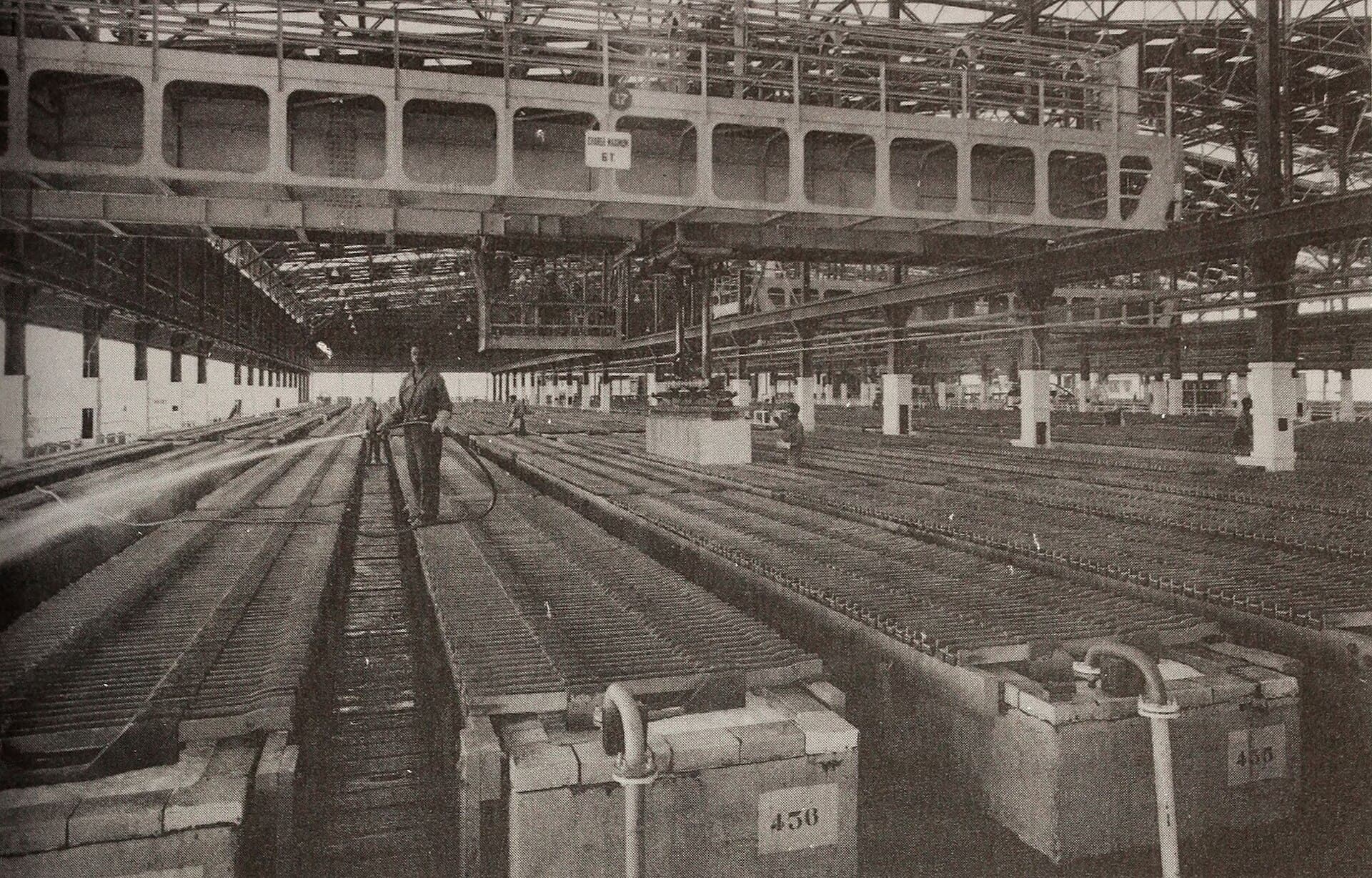
Photo: A copper electrolysis hall at a refinery near Kolwezi in the DRC's Katanga copperbelt. Gécamines (Zairian company), Wikimedia Commons, Public domain.
Was this useful?
More from MiningWrap

The whole sector in one weekly read.
Deals, policy and markets — every Thursday.
Discussion
Loading comments…