Ivanhoe begins Stage 2 dewatering of Kakula's flooded mine
Pumps are lowering the underground water level by about a metre a day as guidance for 2026-27 awaits progress
Ivanhoe Mines has begun the second stage of its dewatering plan for the flooded Kakula copper mine in the Democratic Republic of Congo, and said it would provide fresh copper production guidance for the next two years only once that work had advanced further.
Three of four Stage 2 high-capacity submersible pumps had been installed and commissioned on schedule, the company said, with the underground water level in the Kakula mine having already dropped about 10 metres of a possible 80 metres. All four pumps were expected to be operating within days at a combined rate of approximately 2,600 litres per second, at which point Ivanhoe planned to reposition existing Stage 1 temporary pumping infrastructure further down the mine as the water level continued to fall.
Racing the clock
The company estimated the total pumping rate out of Kakula would eventually reach approximately 6,400 litres per second, or 550 megalitres a day, reducing the underground water level by roughly a metre daily. At that rate, the water level was expected to reach near the bottom of the Stage 2 dewatering shafts by the end of November, opening further access to the mine's high-grade areas. In the near term, Ivanhoe expected the ramp-up of underground mining to eventually return the complex's production rate to more than 550,000 tonnes a year.
Deferred guidance, mounting pressure
By deferring formal 2026 and 2027 guidance until the dewatering had progressed further, Ivanhoe was signalling caution after a year in which successive over-optimistic timelines had repeatedly disappointed the market. The approach bought the company credibility with analysts, even as it left investors without the clarity they wanted on when Kamoa-Kakula would return to its pre-flood production trajectory. That clarity would arrive gradually over the following months, first in December with a guidance range for 2026 that fell well short of 2024's output, and then again in April 2026 with a further, deeper cut once underground development work proved slower than even the revised plan had assumed. Each update chipped away a little more at the assumption, widely held only a year earlier, that Kamoa-Kakula's growth would be smooth and largely uninterrupted.
Sources
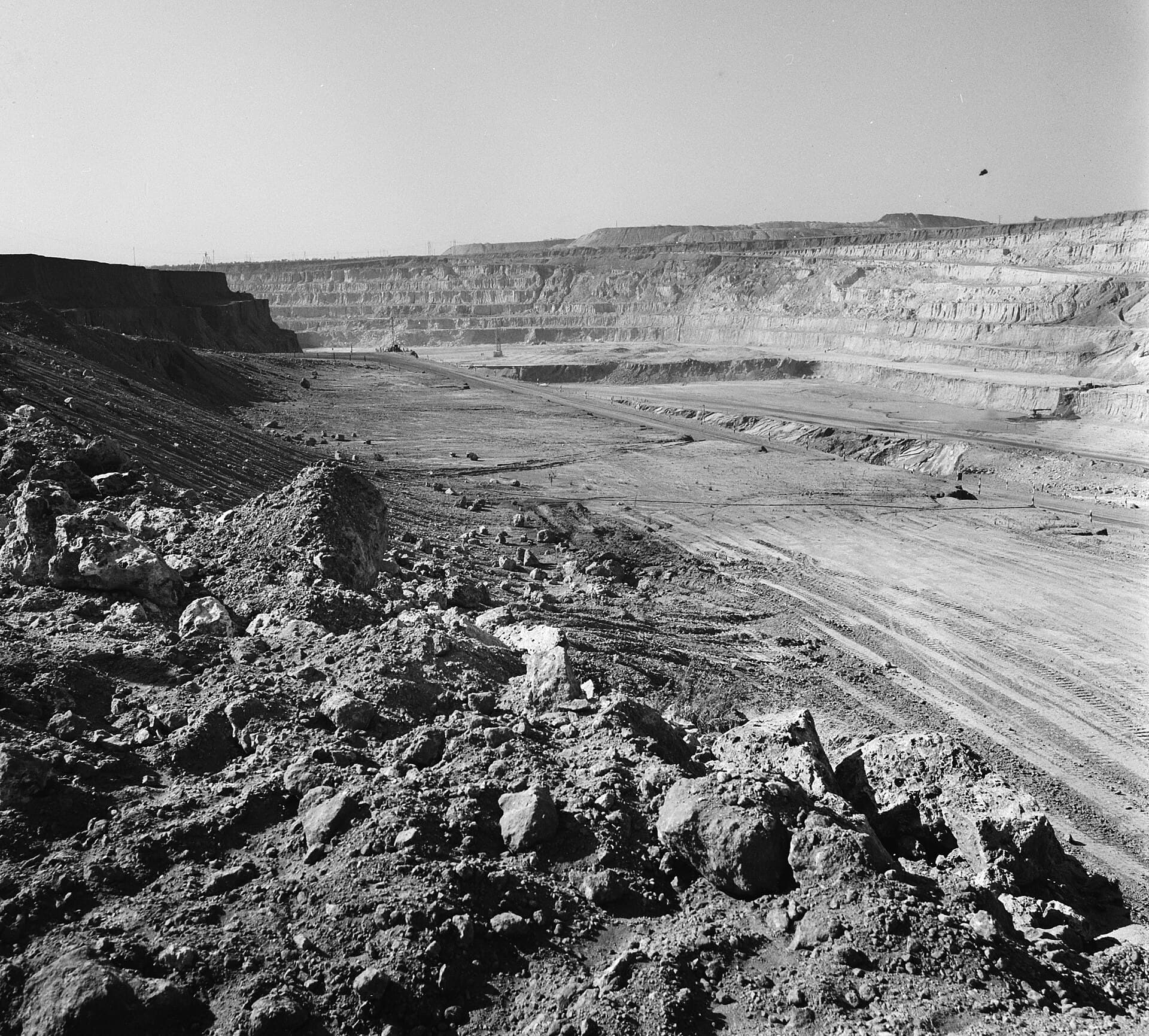
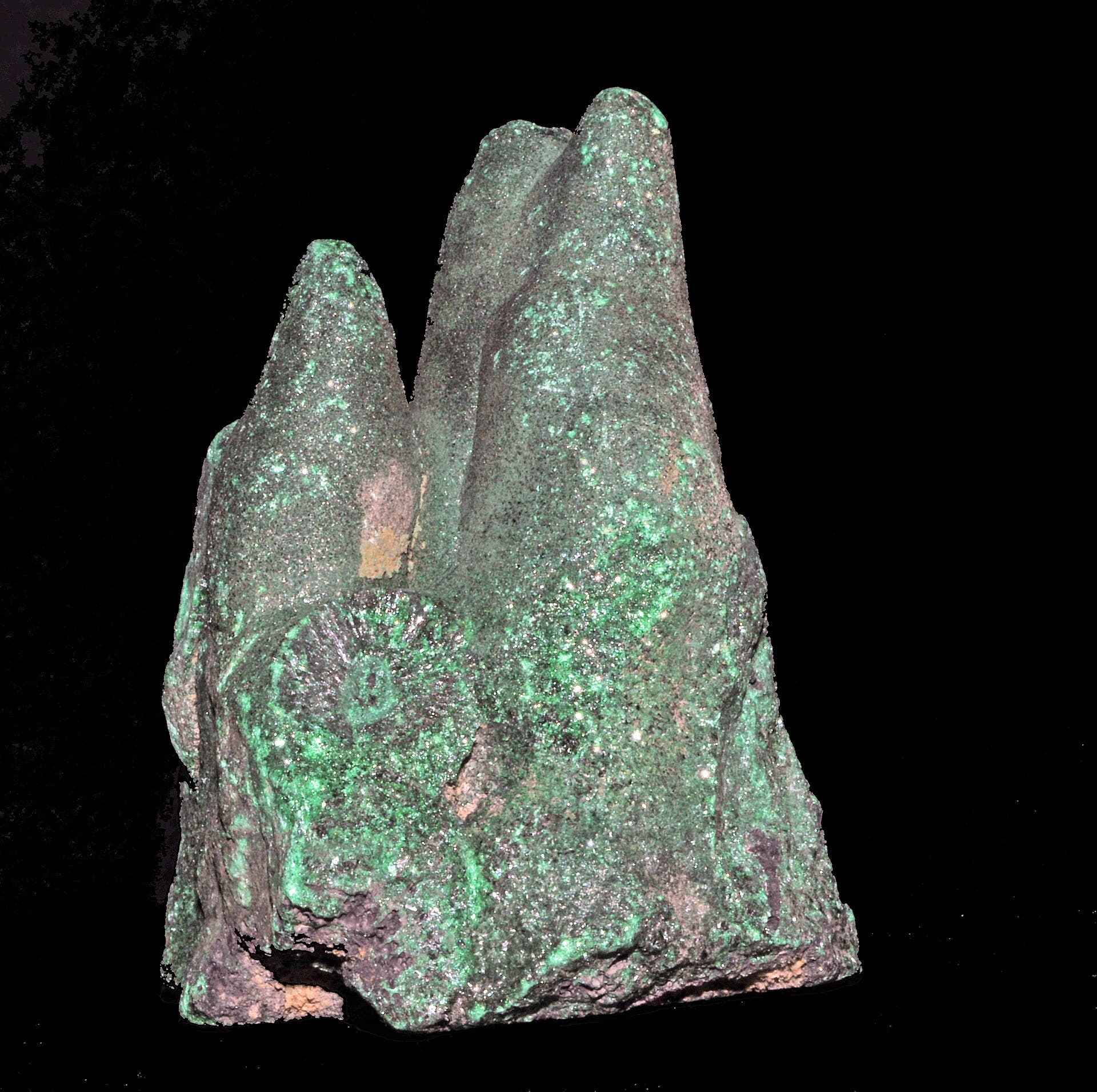
Photo: A copper mine in Kolwezi in the DRC's Katanga copperbelt region. Rob Mieremet / Anefo, Wikimedia Commons, CC0.
Was this useful?
More from MiningWrap
The whole sector in one weekly read.
Deals, policy and markets — every Thursday.
Discussion
Loading comments…