Botswana weighs emergency 615MW coal plant as Morupule B falters
With only 65% of electricity demand met locally, government considers a new baseload station while its main plant undergoes repairs
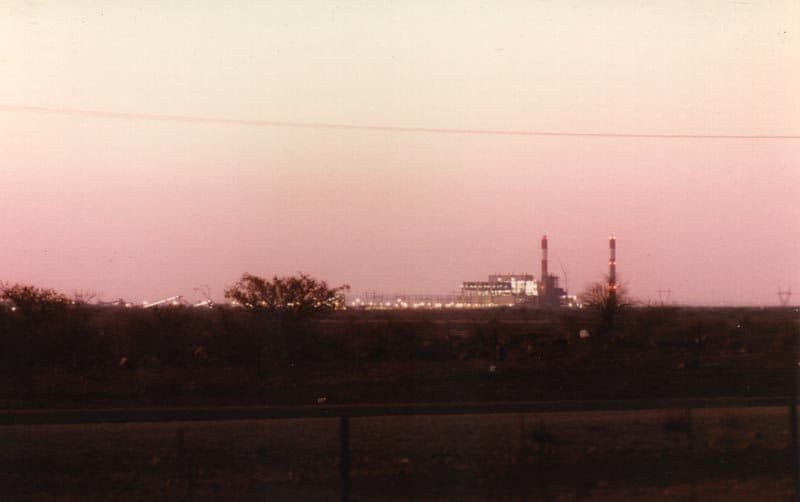
Botswana's government is weighing construction of an emergency 615MW brownfield coal-fired power station near its existing Morupule generation complex, as persistent technical problems at the 600MW Morupule B plant leave the country reliant on costly imports for more than a third of its electricity. Energy and Minerals Minister Bogolo Kenewendo told Parliament that "currently, about 65% of the electricity demand is met from local generation, while the balance is imported."
Morupule B has struggled with frequent breakdowns since it was built in 2012 and has never operated at full capacity. A remedial works programme aimed at fixing its technical defects is under way but faces its own delays, with completion now expected sometime between late 2025 and 2027 — leaving Botswana's energy security uncertain in the meantime.
Demand outpacing supply
Botswana currently consumes around 4,800 gigawatt-hours of electricity a year, with demand projected to reach roughly 7,000 gigawatt-hours by 2040, growing at about 5% annually. Government officials have said that if the Morupule B remedial works do not resolve the plant's reliability problems, the energy ministry will turn to other baseload options — with the proposed 615MW station, carrying an 18-to-24-month construction timeline, positioned as the fastest route to closing the gap.
Coal still central despite a renewables push
The proposed emergency plant would sit alongside a separate 600MW coal-fired facility under construction at Mmamabula, due for completion by 2027, underscoring how central coal remains to Botswana's power planning even as the country separately develops renewable projects such as the Mmadinare Solar Cluster, which reached commercial operation in March 2025. For Botswana's diamond, copper and coal mining sectors, reliable local generation matters directly: continued dependence on imported power leaves mining operations exposed to regional price swings and supply disruptions beyond the country's control.
Diamonds add urgency to the power question
Botswana's economy, and its state finances, remain heavily dependent on diamond mining, led by Debswana's operations, alongside copper output from mines such as Khoemacau. Diamond processing and the broader mining sector's power needs are relatively modest compared with regional copper or aluminium smelting, but any disruption to grid supply still carries outsized economic weight in a country where diamonds account for a large share of export earnings and government revenue. Ensuring Morupule's units, old and new, can run reliably is therefore less about serving industrial mega-projects than about protecting the tax base that diamond mining generates.
Whether Botswana ultimately proceeds with the emergency 615MW plant, relies on Morupule B's repairs succeeding, or leans further on regional imports and renewables such as Mmadinare, the decision will shape how exposed the country's mining-dependent economy remains to power shortages over the rest of the decade.
Sources
- Engineering News: Botswana considering new 615 MW coal-fired power plant, 25 Mar 2025
- The Executive (Botswana): Government Mulls Over 'Emergency' 615 MW Power Station, 25 Mar 2025
Photo: The Morupule power station area in Botswana. w:User:John, Wikimedia Commons, CC BY-SA 3.0.
Was this useful?
More from MiningWrap

The whole sector in one weekly read.
Deals, policy and markets — every Thursday.
Discussion
Loading comments…