South Africa moves to tax chrome ore exports and require ITAC permits
A 25% export tax proposal aims to force more ore through struggling local ferrochrome smelters
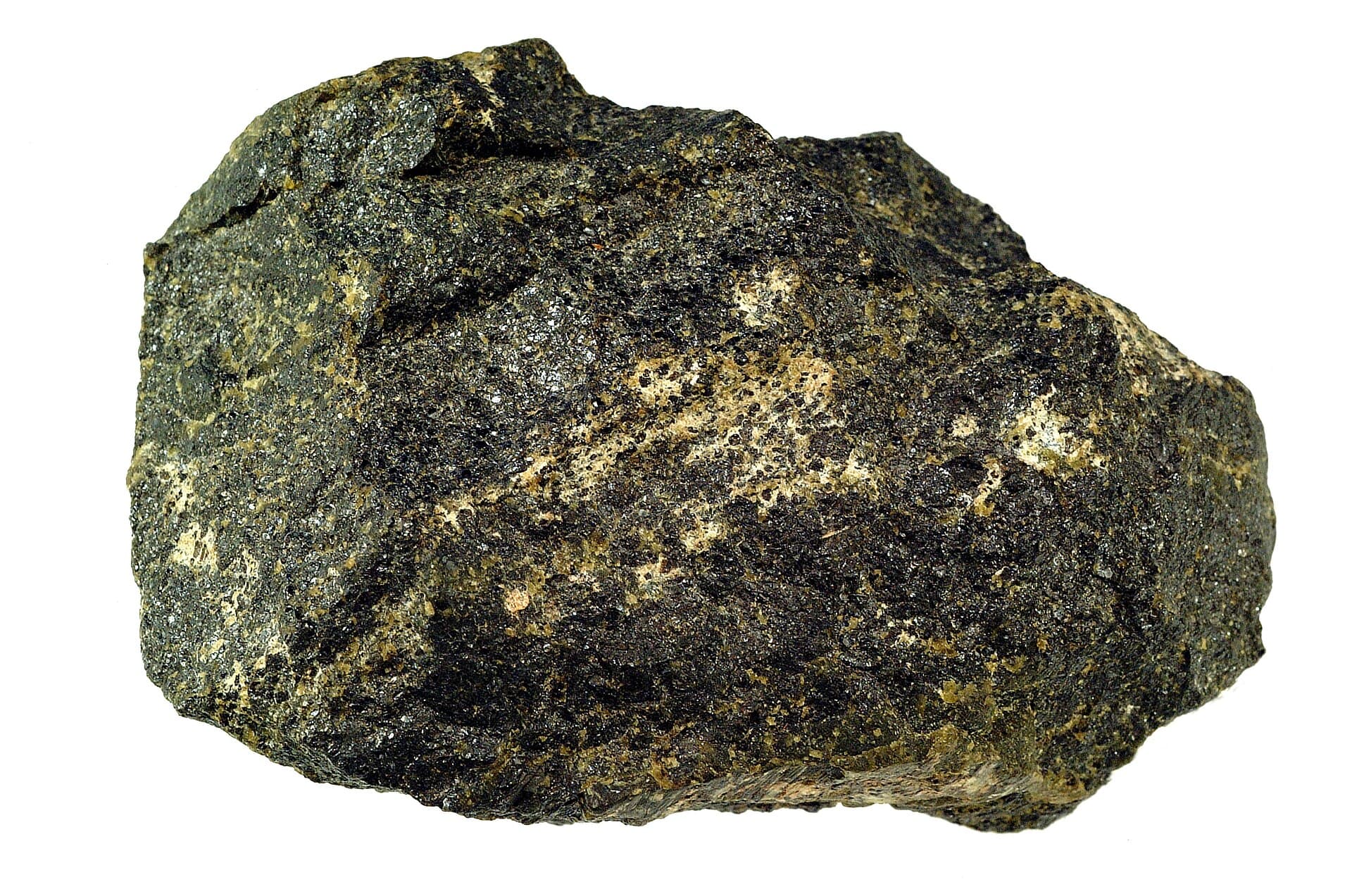
South Africa's Department of Trade, Industry and Competition set out proposals in June 2026 for a 25% export tax on raw chrome ore, alongside a requirement that exporters obtain permits from the International Trade Administration Commission, as part of an industrial strategy aimed at reviving the country's ferrochrome smelting industry.
A sector hollowed out by cheap power gone expensive
South Africa holds an estimated 70-80% of the world's known chrome ore reserves, but most of that ore now leaves the country unprocessed. At its peak, South Africa ran 66 ferrochrome smelters; by 2026 only 11 remained operational, as steeply higher Eskom electricity tariffs — up more than 900% since 2008 — made high-temperature smelting structurally uncompetitive against buyers in China, which imported a record 12.5-million tonnes of South African chrome ore in 2025, up 23.8% year on year.
Industry pushback
The mining sector reacted with alarm to the proposals, warning that an export tax could simply hand market share to competitors able to offer ferrochrome more cheaply, while doing little to fix the underlying cause of smelter closures. Critics also warned that a simple ad valorem tax on ore exports can cascade through the value chain in ways that undermine the very beneficiation goals it is meant to serve, particularly if it is not paired with a durable solution to electricity costs.
Beneficiation as government's preferred fix
Alongside the export tax, the proposals include attaching beneficiation conditions to future mining rights, echoing similar debates in South Africa's platinum and manganese sectors over how much value should be captured domestically before minerals are exported. The chrome ore export curbs also form part of a wider crackdown that includes new ITAC permitting requirements intended to give the state better visibility over — and control of — export volumes.
What happens next
The proposals arrive alongside a separate, and arguably more consequential, intervention: an emergency Eskom electricity tariff for ferrochrome producers finalised in May 2026. Whether an export tax succeeds in reviving smelting will likely depend less on the tax itself than on whether cheaper, more reliable power can be sustained long enough to make South African ferrochrome competitive again.
Sources
- Daily Maverick: SA mining sector jolted by government chrome tax, beneficiation proposals, 09 Jun 2026
- Lexology: South Africa: New export tax on chrome ore intended to resurrect the ferrochrome industry, 15 Jun 2026
Photo: Chromite ore, the raw material at the centre of South Africa's proposed chrome export tax. Darla Sondrol, Wikimedia Commons, CC0.
Was this useful?
More from MiningWrap


The whole sector in one weekly read.
Deals, policy and markets — every Thursday.
Discussion
Loading comments…