Sibanye-Stillwater welcomes near-242% US duties on Russian palladium
A countervailing duty added to an earlier anti-dumping tariff followed a petition Sibanye and a US union filed after Russian imports surged and prices fell
US trade authorities announced a countervailing duty of 109.10% on palladium imports from Russia on 6 March 2026, adding to a 132.83% anti-dumping duty proposed the previous month and bringing the combined tariff exposure on Russian palladium to close to 242%. Sibanye-Stillwater, which operates the Stillwater and East Boulder palladium and platinum mines in Montana in addition to its South African PGM business, had filed the original antidumping petition together with the United Steelworkers union back in July 2025.
A market Sibanye says was distorted
Sibanye argued that Russian palladium exports to the United States rose 35% between 2022 and 2024, a period over which palladium prices fell by half, and said the resulting pressure had forced it to cut production at its Montana operations by roughly half, to about 300,000 oz a year, alongside significant job losses. Chief executive Richard Stewart said the company's "US PGM operations conform to more stringent environmental and labour regulations and to tax structures designed to support our local communities," arguing that this made competition with lower-cost Russian supply unfair rather than merely commercially unfavourable.
Part of a broader palladium turnaround
Since Sibanye and the union filed their case, Russian imports to the US have declined and palladium prices have recovered materially, gaining 68% over the twelve months to the tariff announcement, even as the metal was down slightly year-to-date. A final hearing before the International Trade Commission was scheduled for late April, with a decision due by 19 May 2026.
The case illustrates how geopolitics, sanctions-adjacent trade measures and metal prices had become tightly intertwined in the PGM market by 2026. For Sibanye specifically, a favourable outcome mattered less for its larger South African PGM business, which does not compete directly with Russian supply in the same way, than for the viability of its US mining operations, which had already been scaled back once and which the company continued to defend as strategically important even as it publicly pivoted its broader growth ambitions back toward its home market. South African analysts noted the case as a rare instance of a domestic PGM producer using US trade law rather than commodity markets alone to defend the profitability of its overseas operations.
Sources
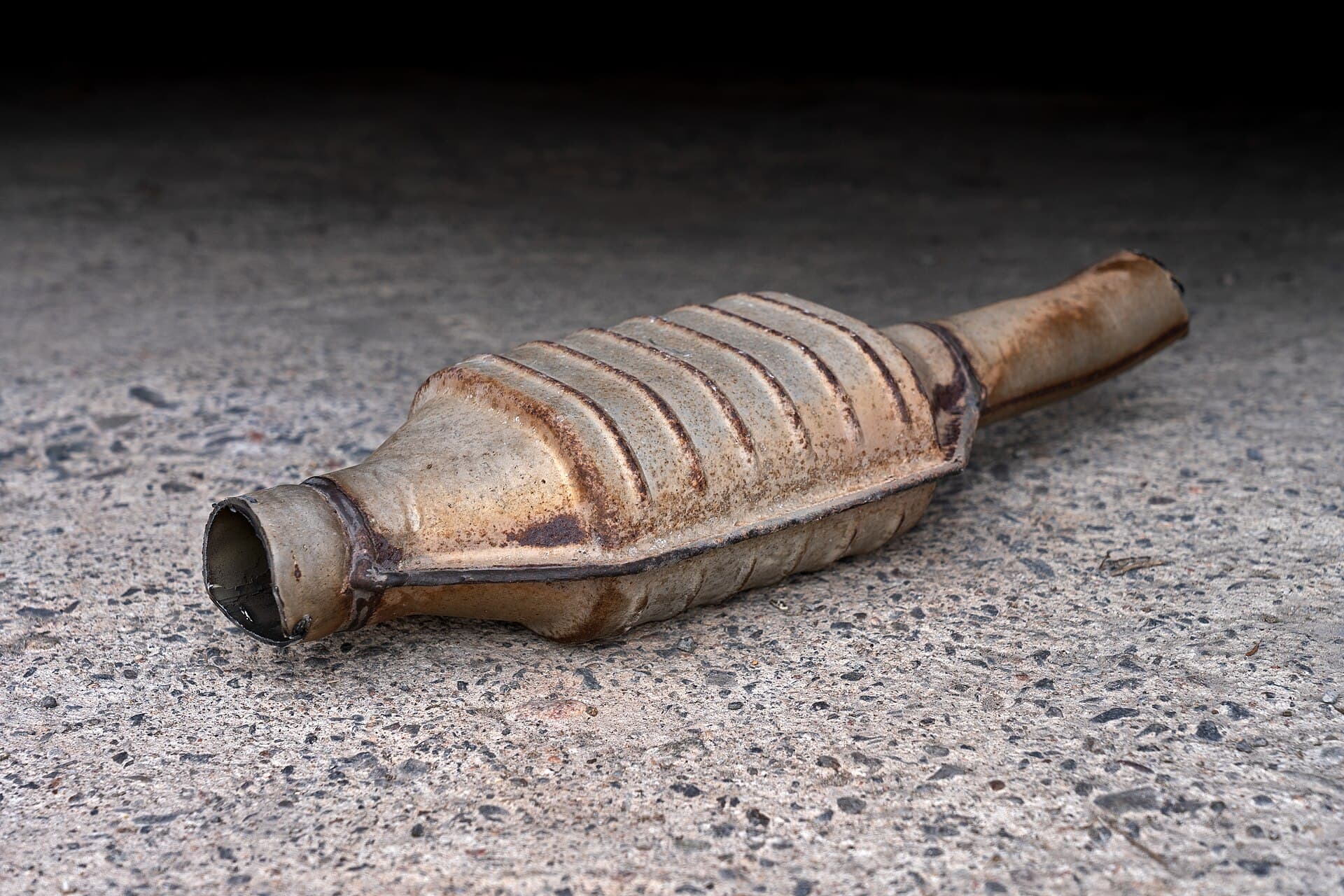
Photo: A catalytic converter, the main end use for the palladium at the centre of the US trade dispute. Santeri Viinamäki, Wikimedia Commons, CC BY-SA 4.0.
Was this useful?
More from MiningWrap

The whole sector in one weekly read.
Deals, policy and markets — every Thursday.
Discussion
Loading comments…