Sibanye-Stillwater's Stewart bets the company's future on South African PGMs
The chief executive has reversed years of offshore diversification into lithium, nickel and Brazilian copper to refocus on Rustenburg-area platinum and a fast-growing chrome business
Sibanye-Stillwater chief executive Richard Stewart has steered the group away from the aggressive offshore diversification pursued under his predecessor and back toward its home base in South African platinum group metals, telling Miningmx "I wouldn't swap our portfolio of platinum group metals with any other anywhere." The shift marks a striking reversal for a company that in 2021 was valued at $16bn and was pursuing a $1bn Brazilian nickel deal alongside lithium and boron projects around the world.
Lessons from an overleveraged balance sheet
That expansion strategy came under severe pressure when metal markets turned down from 2023, exposing an overleveraged balance sheet that forced Sibanye to buy out Valterra Platinum's stake in a joint venture and, more recently, to settle a $215m legal dispute with Appian Capital. Those setbacks have informed Stewart's more conservative approach: current PGM production of around 1.7 million oz a year is projected to decline to roughly 1.2 million oz by 2030 without further investment, a trajectory management wants to arrest and reverse toward 1.5 million, and potentially as much as 1.8 million, ounces through a wave of contiguous expansion projects around its Rustenburg and Kroondal operations.
Chrome as a business in its own right
Sibanye is also positioning chrome as a standalone commercial focus rather than merely a PGM by-product, targeting a doubling of production from 2.3 million tonnes a year, currently around 10% of South African chrome output, to 4 million tonnes, a scale that would put the company among the world's five largest chrome producers. A renegotiated marketing agreement with Glencore running to 2031 underpins that ambition, alongside plans to lift mechanisation across its operations from 38% to 64% by 2035.
Funding the roughly R25bn to R26bn of total project spending Sibanye estimates it needs will draw on an anticipated R12bn a year of free cash flow, with only about R8bn of projects formally approved to date and management planning to fund around half of the remaining, unapproved capital from existing cash reserves. The strategy leaves Sibanye's gold operations and its Keliber lithium project in Finland as secondary priorities, with South African PGMs and chrome now unambiguously the centre of the group's growth story under Stewart's leadership.
Sources
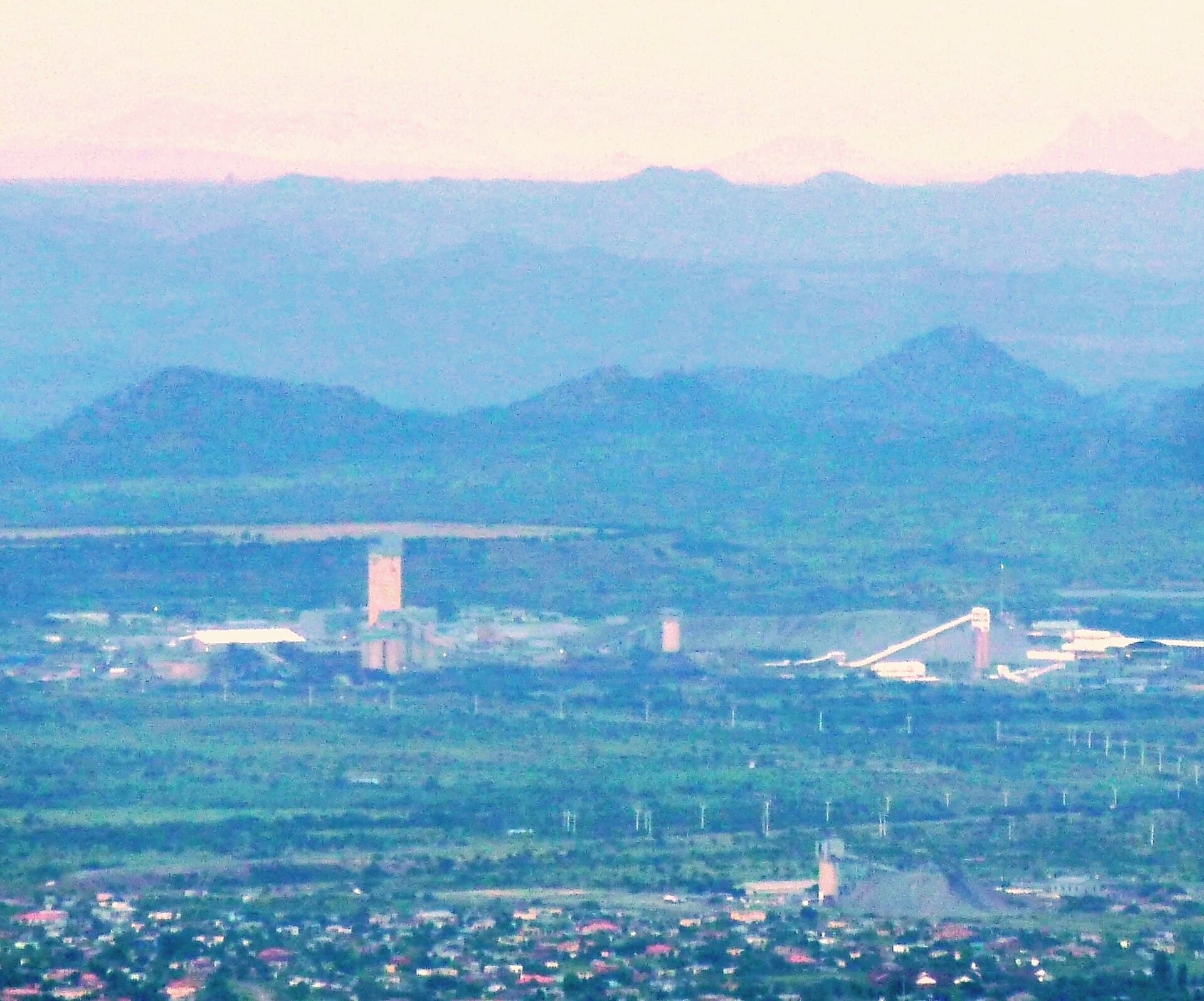
Photo: A platinum mine near Marikana in North West province, in the area of Sibanye-Stillwater's South African PGM operations. JMK, Wikimedia Commons, CC BY-SA 3.0.
Was this useful?
More from MiningWrap
The whole sector in one weekly read.
Deals, policy and markets — every Thursday.
Discussion
Loading comments…