Niger nationalises Somaïr uranium mine, defying French operator Orano
The junta accused the French state-affiliated company of taking a disproportionate share of decades of uranium output
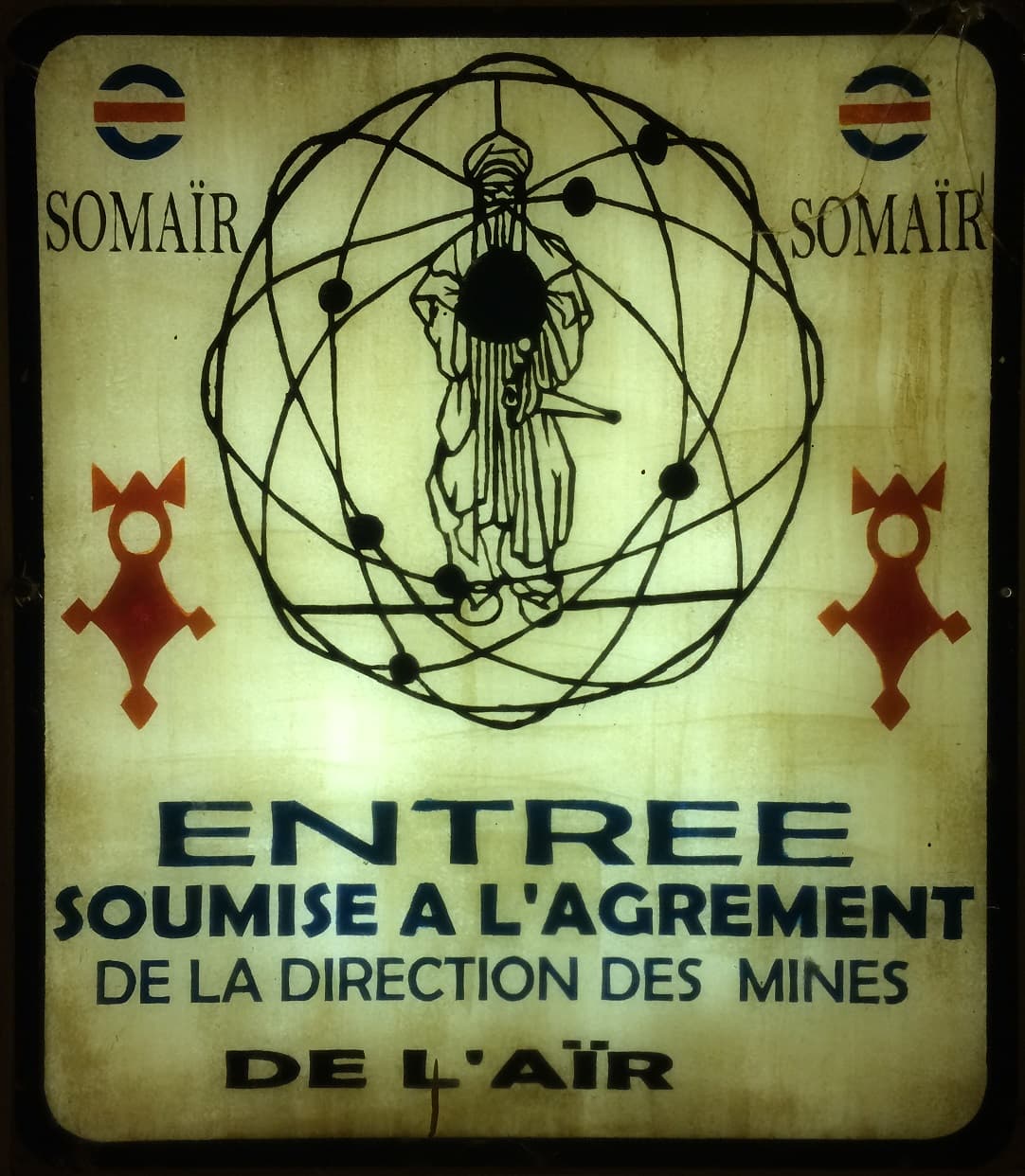
Niger's military government announced on 19 June 2025 that it would nationalise Somaïr, a uranium mine in the northern town of Arlit operated for decades by French nuclear company Orano, escalating a dispute that has been building since the junta seized power in 2023.
Somaïr had been 63% owned by Orano, which is itself 90% owned by the French state, with Niger's own state mining company Sopamin holding the remaining stake. Announcing the nationalisation, Niger's authorities accused Orano of "irresponsible, illegal, and unfair behaviour", saying the company had taken 86.3% of the mine's production between its launch in 1971 and 2024 despite its smaller ownership share. Orano rejected the accusation, calling the move part of a “systematic policy of stripping mining assets” and threatening legal action.
A relationship unravelling since the coup
Niger's military leaders, who took power in a 2023 coup, have steadily turned away from former colonial power France and toward Russia, which they have enlisted to help fight a jihadist insurgency. In 2024 the government had already removed Orano's operational control over all three of its main uranium mines in Niger: Somaïr, the closed Cominak mine, and Imouraren, which holds one of the largest uranium deposits in the world at an estimated 200,000 tonnes.
Part of a regional wave
Niger's nationalisation of Somaïr came amid a broader wave of resource nationalism sweeping West Africa's military-ruled states, notably Mali, which placed Barrick's Loulo-Gounkoto gold complex under state control around the same time, and Burkina Faso, which was completing its own nationalisation of gold assets. Orano, which has operated in Niger for 50 years and supplied around 15% of its global uranium needs from the country, said it would seek compensation for its losses and assert its rights over stockpiled uranium.
What it means for the uranium market
Niger accounted for roughly a quarter of the natural uranium supplied to European nuclear power plants as recently as 2022, according to Euratom data, making the fallout from the nationalisation a matter of real concern for European energy security. The dispute has since dragged on through international arbitration, with both sides trading legal claims over ownership of the mine and its uranium stockpiles — a fight that would continue to escalate through the rest of 2025 and into 2026 as Niger pushed to sell nationalised uranium on the open market.
Sources
Photo: A building at the Somaïr uranium mining site in Arlit, northern Niger, nationalised by the Nigerien government. NigerTZai, Wikimedia Commons, CC BY-SA 4.0.
Was this useful?
More from MiningWrap
The whole sector in one weekly read.
Deals, policy and markets — every Thursday.
Discussion
Loading comments…