Mozambique forecasts record coal output as Moatize mines ramp up
Government projections point to production topping 22 million tonnes in 2026, a 15% jump driven by Tete province's coking and thermal coal mines
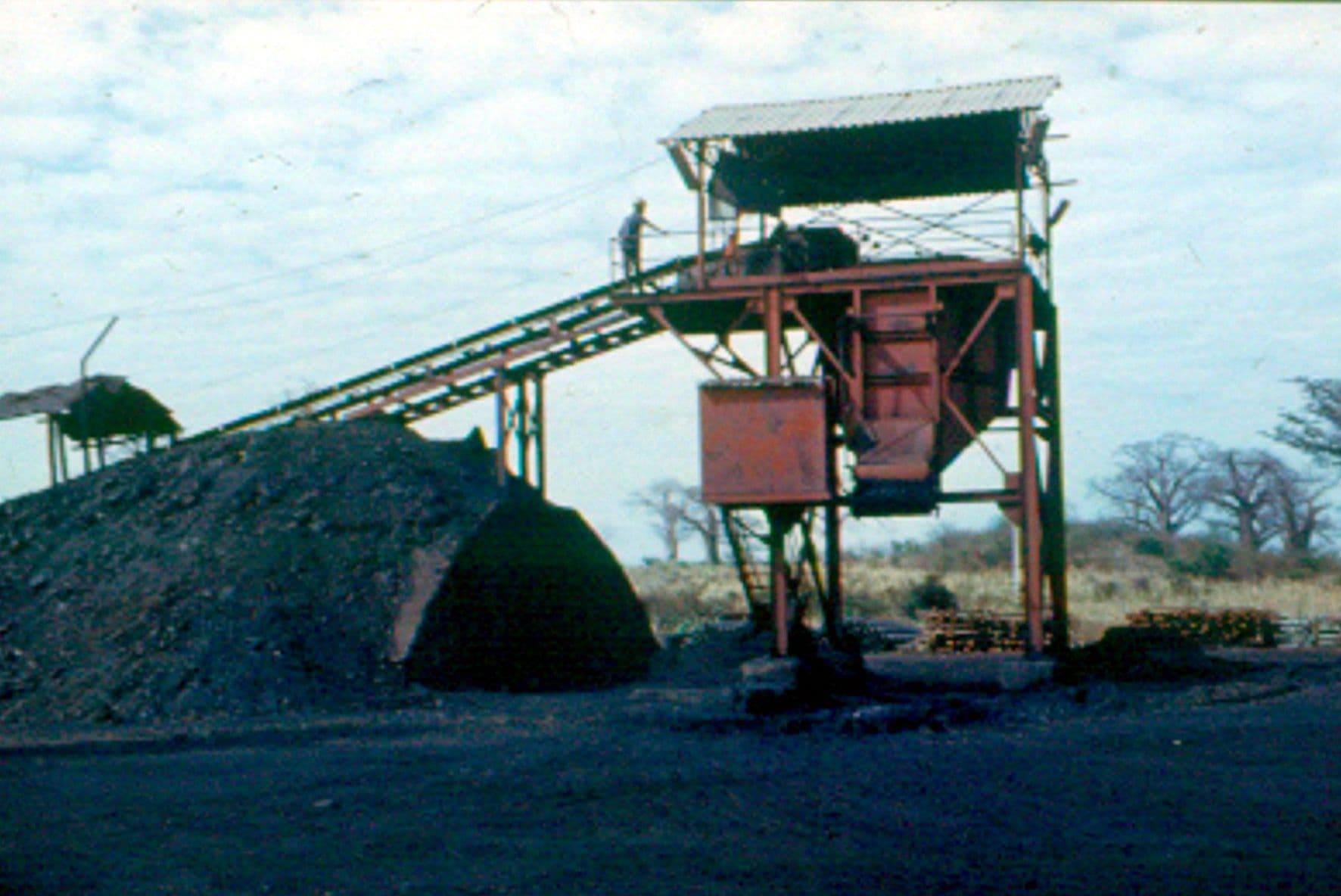
Mozambique's government is forecasting record coal production of more than 22 million tonnes in 2026, a 15% increase on the roughly 19 million tonnes estimated for 2025, as mines in Tete province continue to recover from years of underinvestment and logistics constraints. The plan projects 9.3 million tonnes of coking coal, used in steelmaking, and 13.1 million tonnes of thermal coal for power generation, both growing at a similar pace.
The projected increase would extend a steady climb in Mozambican coal output, from 14.8 million tonnes in 2022 and 14.9 million tonnes in 2023 to 16.3 million tonnes in 2024. A government assessment attributed the growth to "improved processing plants at coal companies in Tete, notwithstanding a slight decline in coal prices on the international market due to increased clean energy trade."
Vulcan's Moatize operation leads the way
The largest single contributor is Vulcan International's Moatize operation, a 250-square-kilometre concession the Indian company acquired from Brazil's Vale in April 2022 for more than $270 million. Vulcan has produced more than 35 million tonnes of coal at Moatize over the past three years, moving most of it to export markets via the Nacala and Sena rail corridors to the ports of Nacala and Beira.
Coal's place in a gas-dominated economy
Mozambique's coal sector is growing even as the country's economic centre of gravity shifts toward liquefied natural gas, with gas revenue overtaking coal earnings in early 2025. For Tete province's mining communities and the rail and port operators that move coal to the coast, however, the sector remains an important source of jobs and freight volumes, particularly as Vale's former coal and logistics assets — now under Vulcan and other operators — continue to be upgraded. Whether the 15% growth forecast is realised will depend on whether Nacala and Sena corridor capacity keeps pace with mine output, and on how much further international thermal coal prices soften as buyers diversify toward cleaner fuels.
Sources
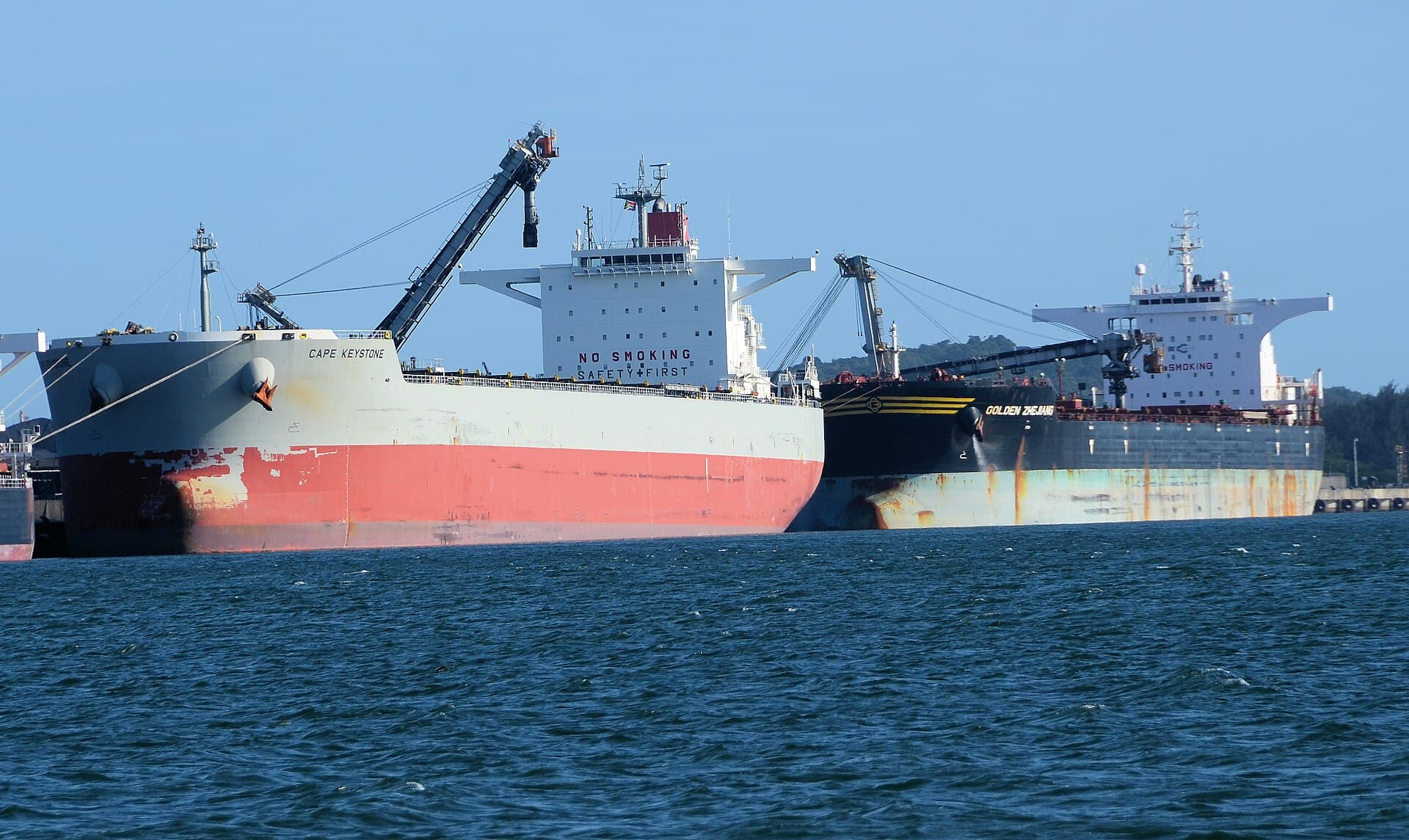
Photo: Coal handling facility at the Moatize mine in Tete province, Mozambique. Hajo42, Wikimedia Commons, CC BY-SA 3.0.
Was this useful?
More from MiningWrap
Four countries agree to extend the Nacala railway 2,400km to the DRC
The whole sector in one weekly read.
Deals, policy and markets — every Thursday.
Discussion
Loading comments…