ICSG reverses call, now sees copper surplus in 2026
Slowing Chinese demand growth and rising secondary output flipped the study group's forecast from a 150,000-tonne deficit to a surplus
Six months after warning of a looming shortage, the International Copper Study Group revised its 2026 copper market forecast to a 96,000-tonne surplus, reversing its October 2025 call for a 150,000-tonne deficit. The group cut its estimate for global refined copper usage growth to 1.6% for 2026, down from a prior 2.1%, while refined copper production was still expected to expand, albeit only 0.4%, held back by tight concentrate supplies but cushioned by higher secondary (recycled) output.
China, the metal's largest consumer, was central to the revision: the ICSG trimmed its assumption for Chinese refined copper demand growth to 1.9% for 2026, with other regions expected to grow around 1.3%. Weaker-than-expected demand growth, rather than any sudden supply response, was the main driver of the swing from deficit to surplus.
A forecast that didn't survive contact with the market
The ICSG's April surplus call sat awkwardly alongside events on the ground later in the year. By September 2026, copper had rallied to successive record highs on the London Metal Exchange, driven by tariff-related trade distortions and a genuine 1.1% decline in global mine production in the first half of the year, with output falling in Chile, Indonesia and the Democratic Republic of Congo. The disconnect illustrated how quickly headline supply-demand balances can be overtaken by real-world disruptions that forecasters, working from mine-plan assumptions, cannot fully anticipate.
What it means for African producers
For Zambian and Congolese copper miners, the ICSG's shifting numbers were less important than the eventual price outcome: whatever the paper balance said, actual output setbacks in the DRC through the first half of 2026 were one of the forces that helped push the metal, and the export earnings it generates for central Africa, to records later in the year.
Analysts covering Zambian and Congolese producers noted that the ICSG's swing between deficit and surplus forecasts within a single six-month window illustrated how little visibility even specialist industry bodies had into the true state of African mine supply, complicating investment decisions for companies weighing new Copperbelt expansions.
Mining executives in both Zambia and the DRC said they placed more weight on their own order books and shipping schedules than on any single forecasting body's periodic revisions, a pragmatic approach that events later in the year would largely vindicate.
Sources
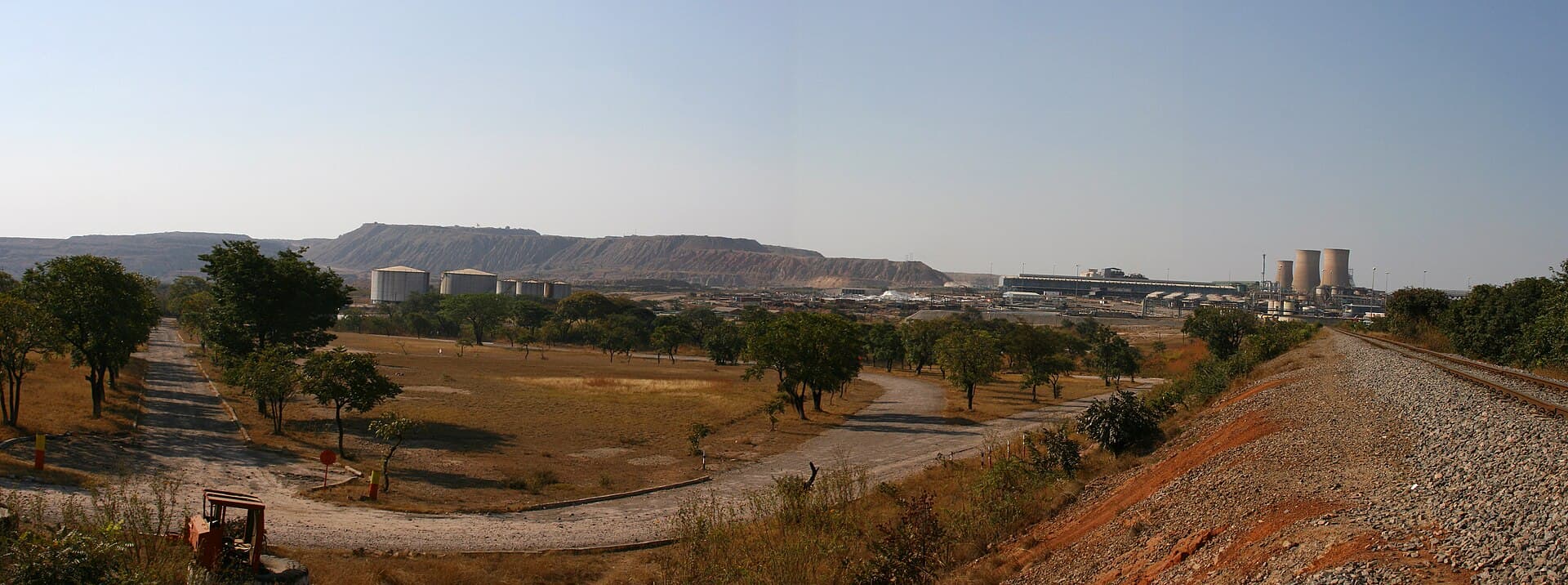
Photo: A landscape view in Zambia, the copper-producing country whose output is closely tracked by the ICSG. BlueSalo, Wikimedia Commons, CC BY-SA 3.0.
Was this useful?
More from MiningWrap
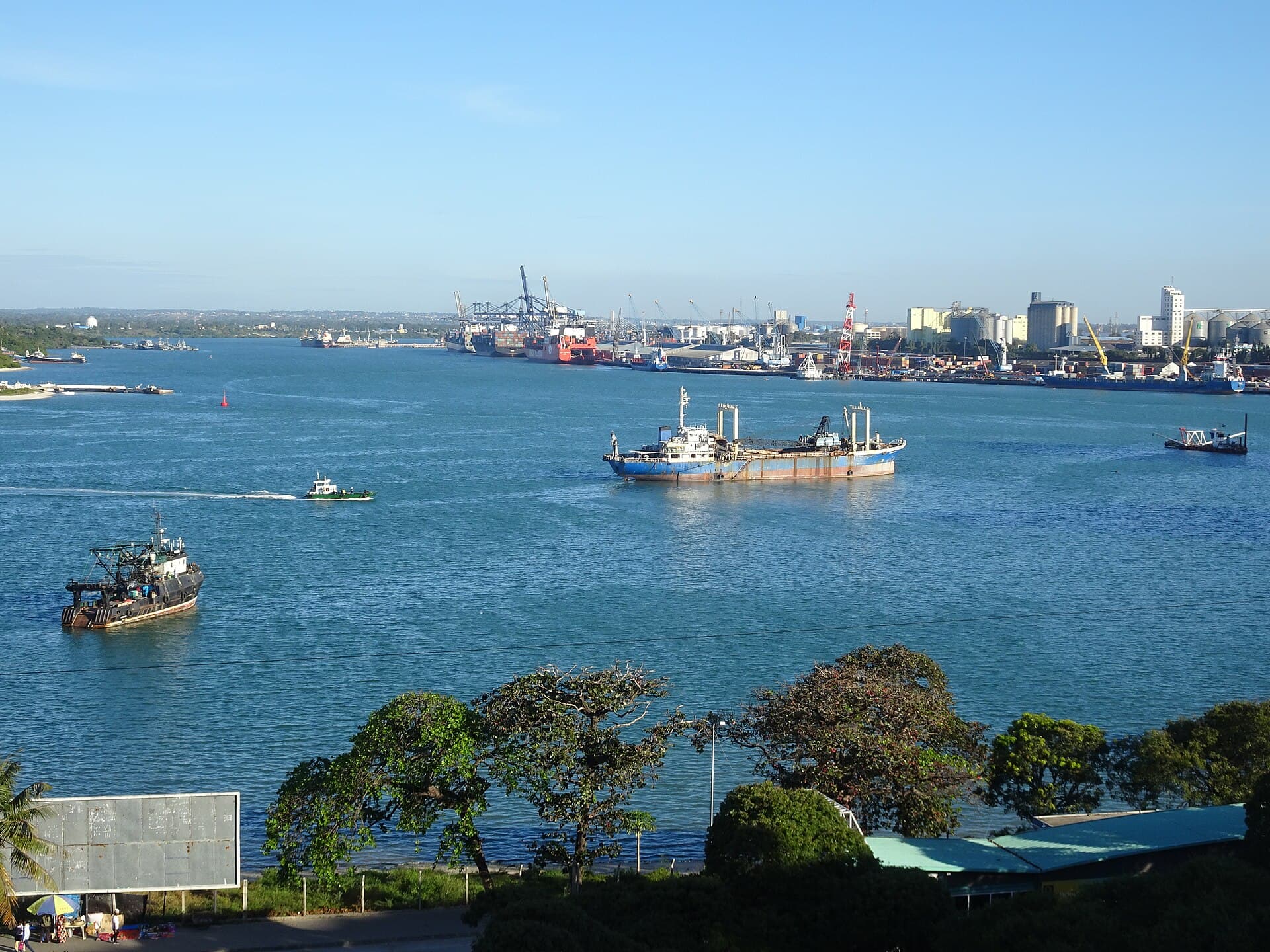
Tanzania expands Dar es Salaam port as DRC plans dedicated mineral dry port
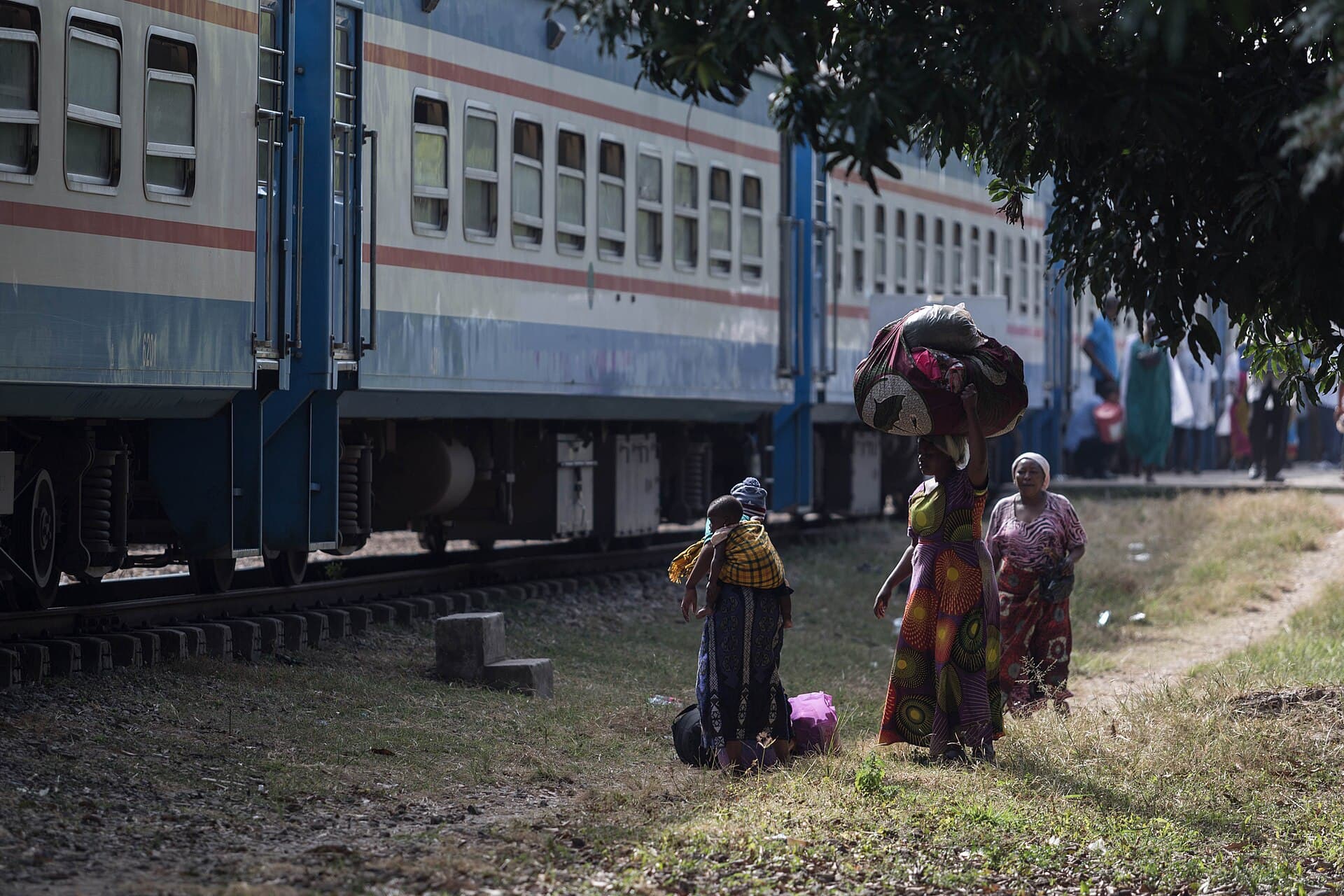
China's CCECC signs Chinese copper miners into $1.24bn TAZARA revamp
The whole sector in one weekly read.
Deals, policy and markets — every Thursday.
Discussion
Loading comments…