Guinea ships first iron ore from the giant Simandou project
A 200,000-tonne cargo left the new port of Morebaya in December, ending more than two decades of delays on Africa's largest iron ore development
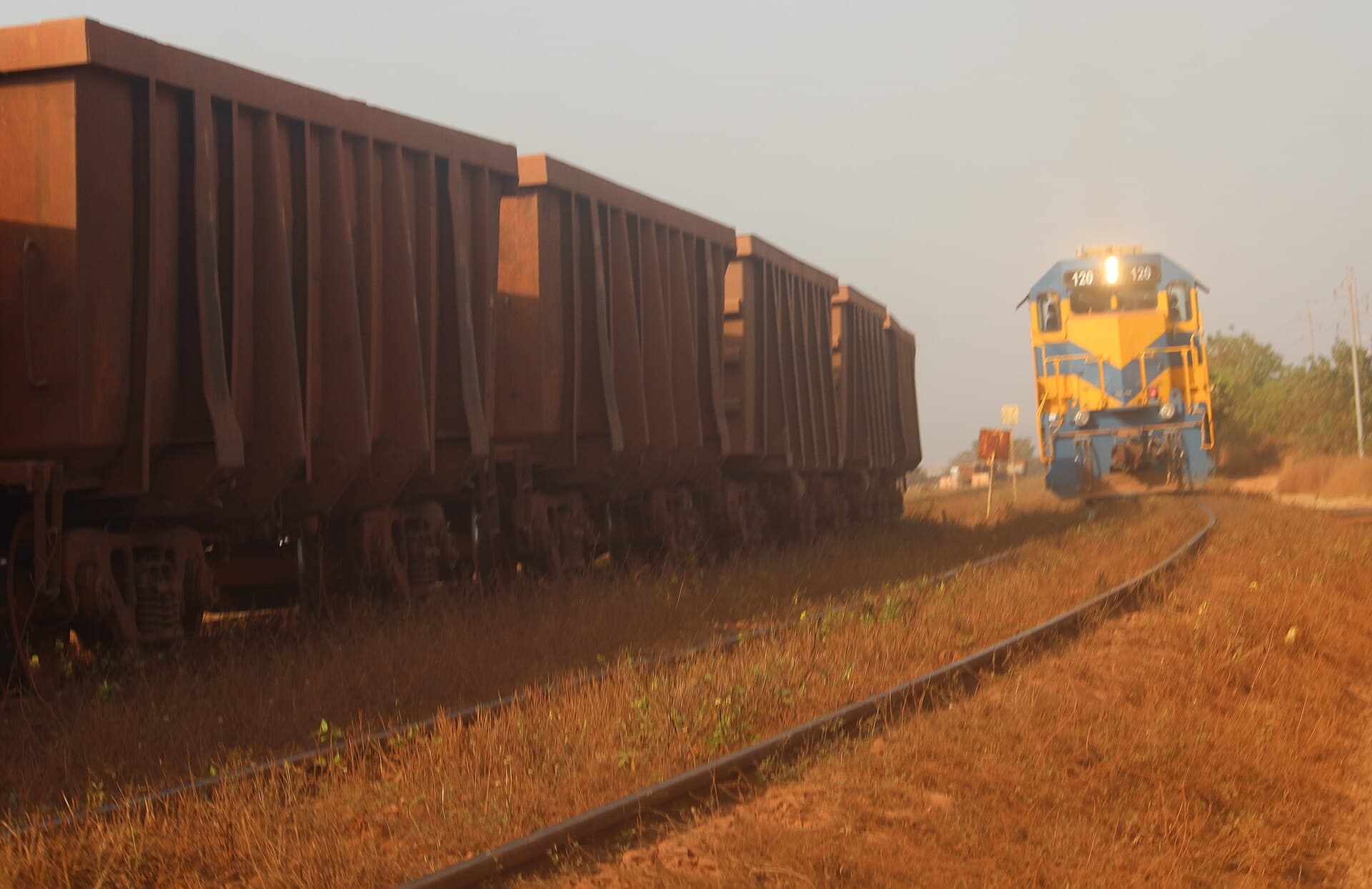
The first commercial shipment of iron ore from Guinea's Simandou project departed the newly built port of Moribaya, near Forecariah, on 2 December 2025, carrying about 200,000 tonnes bound for steel producers in China. The vessel, Winning Youth, symbolically carried ore from both of the project's operating consortiums and docked at Majishan Port in China's Zhejiang province on 17 January 2026 after a 46-day voyage, closing out a project first discovered decades earlier and delayed repeatedly by legal disputes and renegotiated ownership terms.
Two consortiums, one railway
Simandou is being developed jointly by Simfer, a joint venture between the government of Guinea, Rio Tinto and the Chalco Iron Ore Holdings consortium led by Chinalco, and by Winning Consortium Simandou, dominated by Chinese interests including China Baowu Steel Group. Both groups rely on a shared piece of infrastructure that took years to complete: a more than 600km trans-Guinean railway corridor linking the remote Forest Guinea mining zone to the new Atlantic coast port. Simfer managing director Chris Aitchison called the first shipment "a moment of immense pride and promise," reflecting years of joint work between the government and its mining partners.
Why it matters
Simandou is expected to reach an initial production rate of about 60 million tonnes a year within roughly 30 months of ramp-up, with ultimate capacity of around 120 million tonnes a year once both consortiums are in full production, a scale that would make it one of the largest single sources of seaborne iron ore in the world. For Guinea, a country whose mining revenue has historically come almost entirely from bauxite, Simandou represents a fundamental diversification of the economy and a major new source of royalties, though the project has also drawn scrutiny over resettlement and environmental impacts along the rail corridor.
What happens next
The immediate task for both consortiums is scaling up shipments from the initial cargo toward the 60 Mtpa interim target, a process that will test the railway's capacity and the reliability of the new port infrastructure. Steel markets in China and elsewhere will be watching closely, since a large new low-cost supply source arriving during a period of soft global steel demand could weigh on iron ore prices.
Sources
- SimFer: Simandou's first iron ore ship sails from Guinea, 03 Dec 2025
- Ecofin Agency: Guinea ships first Simandou iron ore, ending decades of delays, 03 Dec 2025
Photo: Mining railway wagon and locomotive at a Guinean port. Aboubacarkhoraa, Wikimedia Commons, CC BY-SA 4.0.
Was this useful?
More from MiningWrap

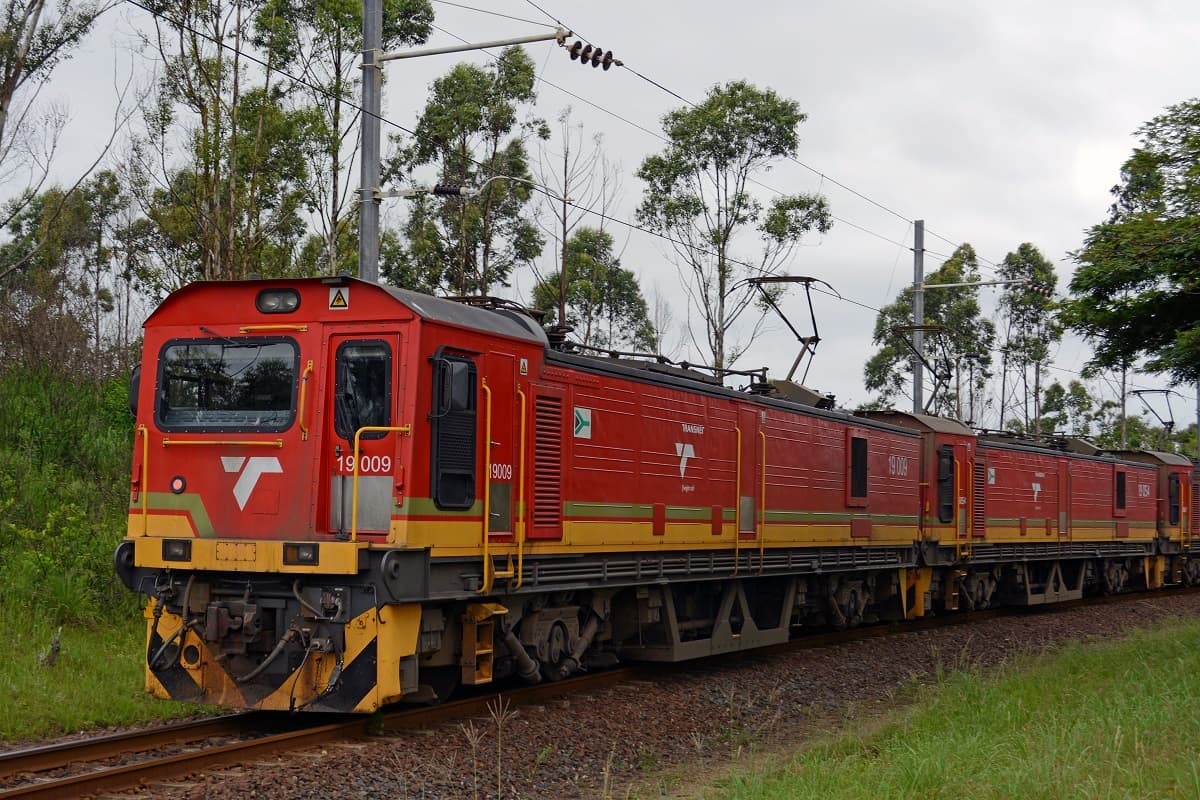
Transnet's rail recovery lifts coal and iron-ore exports to three-year high
The whole sector in one weekly read.
Deals, policy and markets — every Thursday.
Discussion
Loading comments…