Angola bets on Luele mine to chase top-three diamond producer status
Rio Tinto and De Beers return to the country as Angola targets 17.5m carats a year by 2027
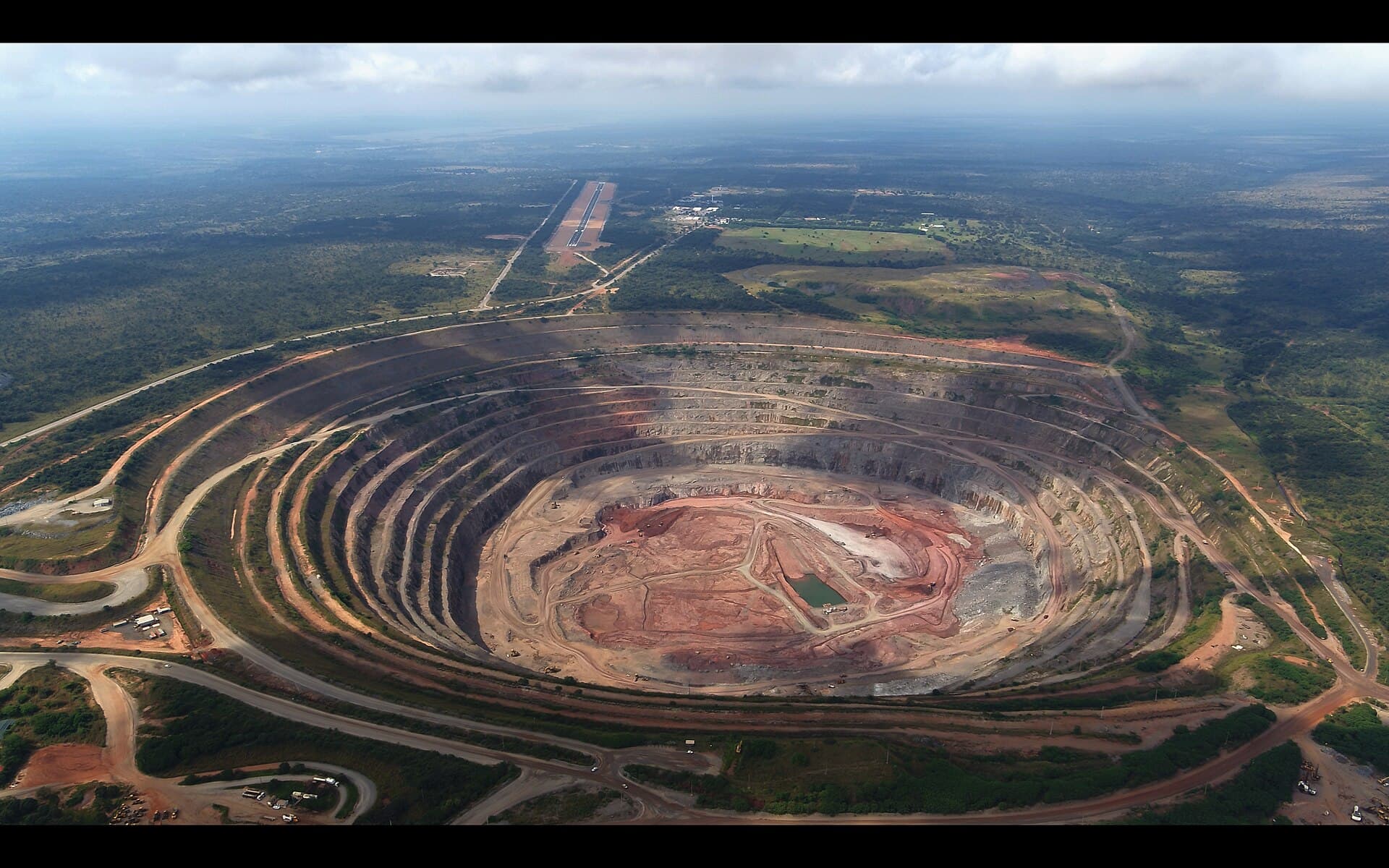
Angola set out plans in mid-2025 to more than double its diamond output within a few years, targeting 17.5 million carats annually by 2027, up from 8.76 million carats in 2022, as it seeks to become one of the world's top three diamond-producing nations.
The centrepiece of that ambition is the Luele mine, described by industry figures as the largest open-pit diamond mine to begin operations anywhere in the world this decade. Luele has an estimated resource of 628 million carats and a projected operational lifespan of 60 years, with production expected to reach between 3.5 million and 4 million carats a year at full capacity, adding substantially to output from the long-established Catoca mine, Angola's only major kimberlite operation until Luele's launch.
A cost advantage over Botswana
Mining executive Robert Bristow argued that Angola's newer kimberlite mines would carry a structural cost advantage over Botswana's ageing operations "because the new mines will be starting from surface," avoiding the deep, expensive underground mining Debswana is being forced into at Jwaneng. Analyst Botoulas went further, suggesting Angola's target was "very achievable" and that the country could even overtake Botswana as the world's number one diamond producer by value.
Majors return, red tape cut
The scale of the opportunity has drawn back two of the biggest names in diamonds: Rio Tinto and De Beers have both re-entered Angola after years of limited exposure to the country, while junior operators such as Lipari Diamonds, which holds a 75% stake in the Tchitengo project, have also moved in. Angola has tried to make itself more attractive to investors by launching a new cadastral system for mining rights and scrapping black economic empowerment ownership requirements of the kind that still apply in South Africa.
Building a downstream industry too
Beyond mining, Angola is planning a Saurimo Diamond Hub near Catoca that would host 19 cutting and polishing factories, an attempt to capture more value domestically rather than exporting only rough stones. If Angola's production and beneficiation plans come together as intended, the country would emerge as a genuine rival to Botswana just as the broader diamond market grapples with oversupply and weak demand — a combination that could complicate Luanda's ambitions even if the geology cooperates.
Sources
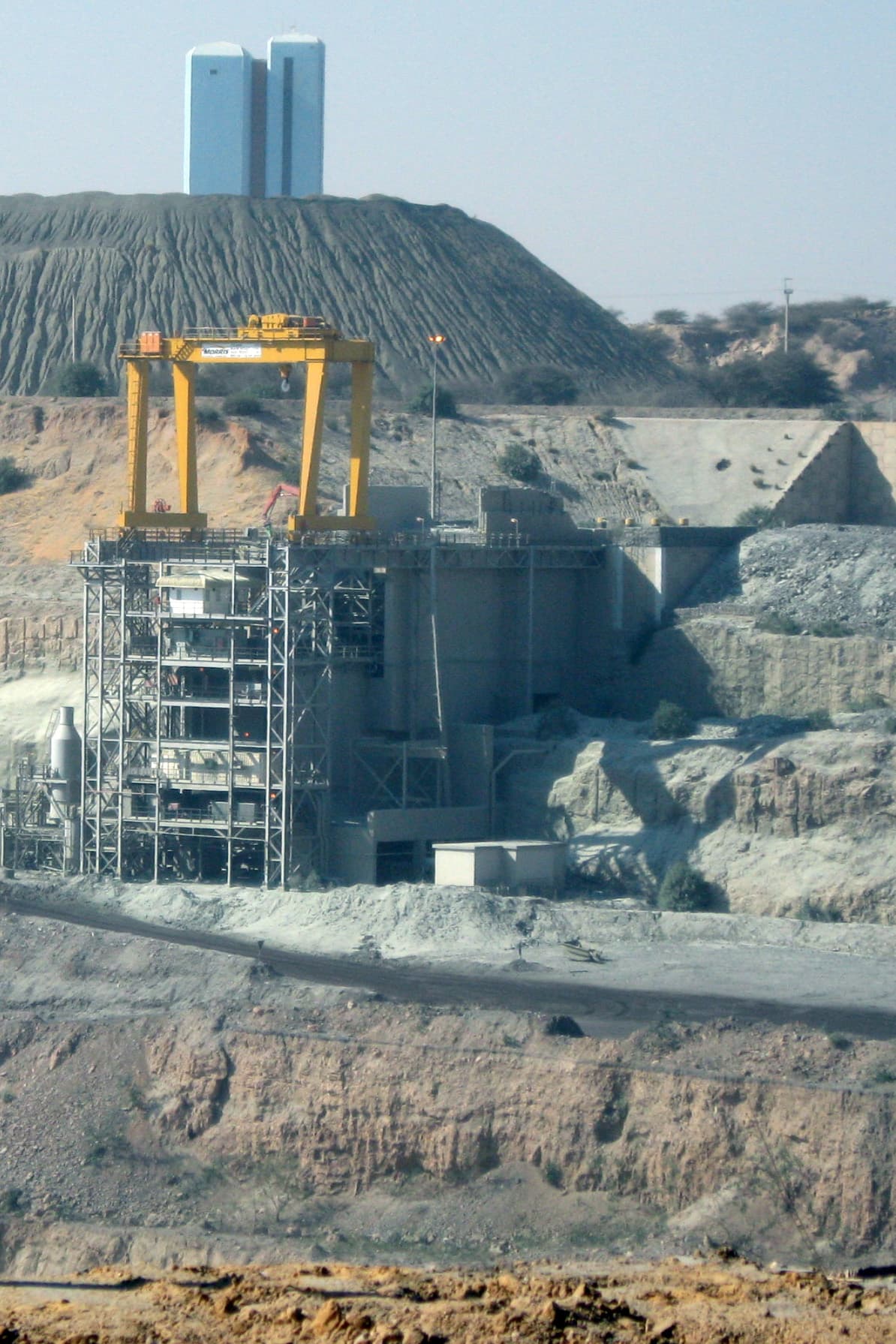
Photo: Diamond mining infrastructure in Angola's diamond-producing Lunda region. Gsmart-ao, Wikimedia Commons, CC BY-SA 4.0.
Was this useful?
More from MiningWrap
The whole sector in one weekly read.
Deals, policy and markets — every Thursday.
Discussion
Loading comments…