Nersa approves 62c/kWh concessionary tariff for ferrochrome smelters
The energy regulator approved an amended negotiated pricing agreement framework giving Samancor Chrome and the Glencore-Merafe Chrome Venture electricity at 62c/kWh, for five and three years respectively, in an effort to keep ferrochrome smelters running.
National Energy Regulator of South Africa (Nersa)
South Africa
- Draft
- Comment
- In force
At a glance
- In force
- Regulation
- National Energy Regulator of South Africa (Nersa)
- South Africa
- Chrome
- 29 May 2026
South Africa's struggling ferrochrome industry has secured cheaper electricity. Eskom confirmed on 29 May 2026 that the National Energy Regulator of South Africa had approved an amended negotiated pricing agreement framework that includes an interim concessionary price for participating smelters.
The terms
Two producers are covered. Samancor Chrome has a five-year arrangement and the Glencore-Merafe Chrome Venture a three-year one, both at 62c/kWh, or about $0.038/kWh. Eskom applied on 10 April 2026 and Nersa held public hearings on 25 May. According to Eskom, any revenue shortfall is ring-fenced and cannot be recovered through future tariff adjustments, and the deal requires no additional support from the fiscus or other tariff payers. The agreements include risk-sharing and a mechanism under which Eskom shares in the upside when ferrochrome prices improve.
Eskom chief executive Dan Marokane said sustaining viable industrial demand remains important for economic activity, employment and long-term system stability.
Why smelters needed help
South Africa is the world's largest producer of chrome ore but has lost its position as the leading ferrochrome exporter to China, which buys South African ore and smelts it with cheaper power. Electricity tariffs have risen almost tenfold since 2008, and more than half of the country's 59 chrome furnaces had closed by mid-2025. Glencore, the largest producer, idled both of its smelters and said it would consider retrofitting only if ore export restrictions were introduced.
Criticism
The decision has been questioned by environmental commentators, who see a loss-making tariff for a coal-dependent, energy-intensive industry as at odds with Eskom's finances and the energy transition. Critics pointed to Eskom's weak finances and its reliance on a R254 billion government debt-relief package.
Wider policy
The concessionary tariff forms part of a package the government has promised the ferrochrome sector, which also includes the proposed chrome ore export tax and quota in the revised Industrial Development Strategy. Smelter operators have argued that both cheaper power and constrained ore exports are needed to make restarting furnaces viable.
Sources
- Engineering News: Eskom confirms Nersa's approval of concessionary tariff for ferrochrome smelters, 29 May 2026
- Green Building Africa: NERSA approves loss making power tariff for ferrochrome smelters amid growing questions over public interest and energy transition goals, 30 May 2026
- OPIS: S.Africa's Cabinet approves chrome export restrictions, 01 Jul 2025
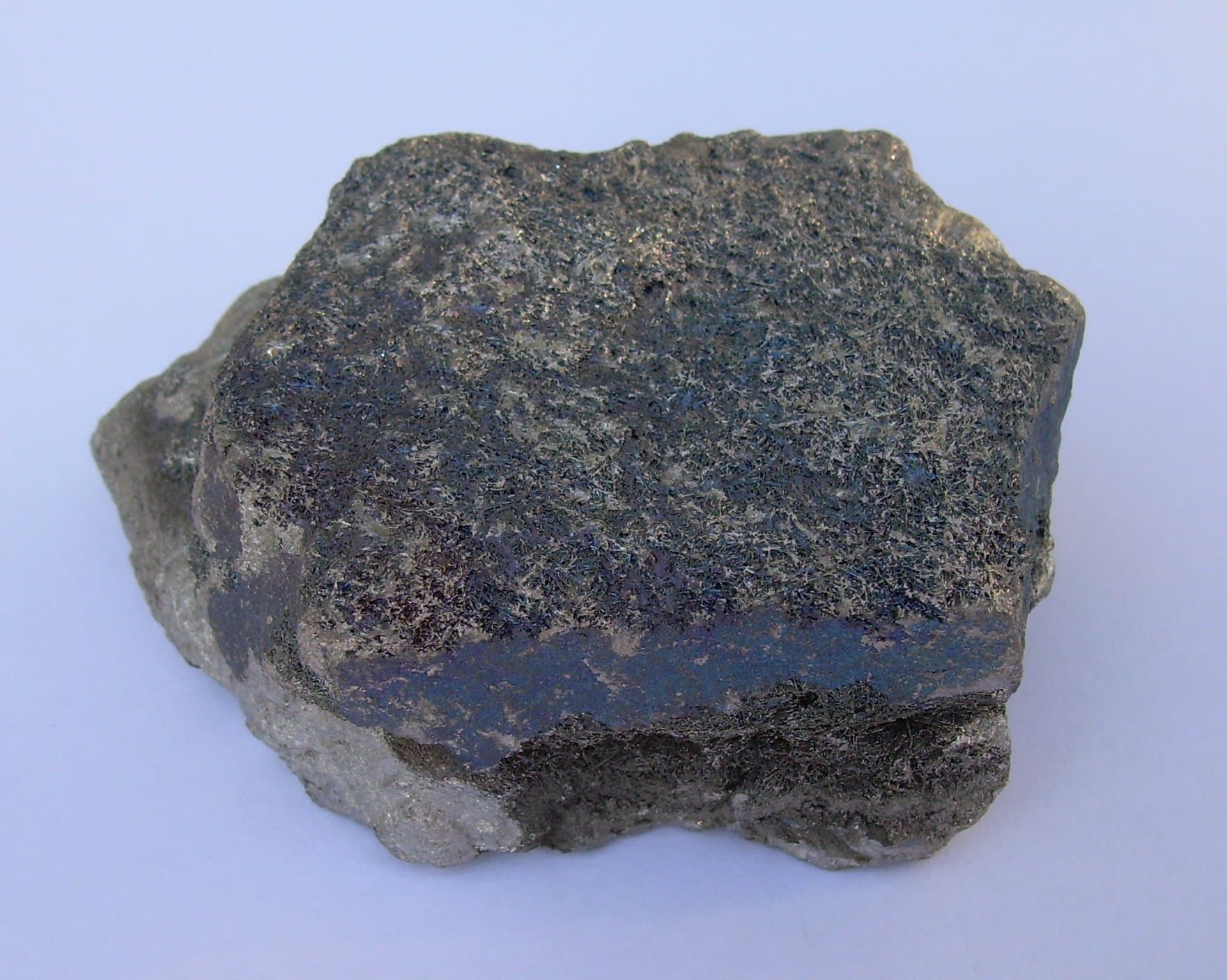
Photo: Lumps of ferrochrome alloy. FocalPoint, Wikimedia Commons, CC BY-SA 4.0.
Was this useful?
Discussion
Loading comments…