Industrial strategy puts chrome ore export tax and quotas back on the table
South Africa's revised Industrial Development Strategy, approved by Cabinet and published in June 2026, calls for an export tax and quota for chrome ore and for beneficiation conditions to be attached to mining rights. Miners have pushed back.
Department of Trade, Industry and Competition
South Africa
- Draft
- Comment
- In force
At a glance
- Proposed
- Export controls
- Department of Trade, Industry and Competition
- South Africa
- Chrome
- 9 June 2026
South Africa's government has revived plans to tax and restrict exports of unprocessed chrome ore. The revised Industrial Development Strategy, approved by Cabinet and released by the Department of Trade, Industry and Competition in June 2026, lists the aim to institute an export tax and quota for the chrome industry, alongside tariffs or a negotiated pricing agreement for the sector.
A long-running idea
The measure has been discussed for years as a way to rescue the domestic ferrochrome industry, which has been hollowed out by rising electricity costs and competition from Chinese smelters that process South African ore. In mid-2025 Cabinet approved export controls requiring chrome ore shipments to be permitted by the International Trade Administration Commission (ITAC) and backed the development of an export tax; a 25% levy had been floated in earlier planning. Mineral and Petroleum Resources Minister Gwede Mantashe has described a tax on its own as a blunt instrument that would need complementary measures, including lower power tariffs.
Beneficiation conditions
The strategy goes further than chrome. It says mining legislation should be reviewed so that the state can attach beneficiation conditions when it allocates mineral rights, and it proposes the Bojanala and Fetakgomo-Tubatse special economic zones as hubs for chrome processing. That would interact with the Mineral Resources Development Bill, which also aims to promote local processing.
Industry response
The Minerals Council South Africa said it was surprised by the statement and warned about policy unpredictability. Spokesperson Allan Seccombe argued that smelter closures are driven by an increase of about 900% in electricity tariffs since 2008, not by a shortage of ore. South Africa is the world's largest chrome ore producer, and much of its output comes from UG2 platinum operations, so an export tax would also affect PGM miners' by-product revenue.
What next
No rate or start date has been set. The dtic would need to implement any tax through ITAC and National Treasury. Separately, Nersa approved discounted electricity tariffs for Samancor Chrome and the Glencore-Merafe venture in May 2026, the first of the complementary measures that smelters have demanded.
Sources
- Miningmx: Chrome export levy resurfaces in new industrial strategy, 09 Jun 2026
- allAfrica: South Africa: SA Mining Sector Jolted By Government Chrome Tax, Beneficiation Proposals, 09 Jun 2026
- OPIS: S.Africa's Cabinet approves chrome export restrictions, 01 Jul 2025
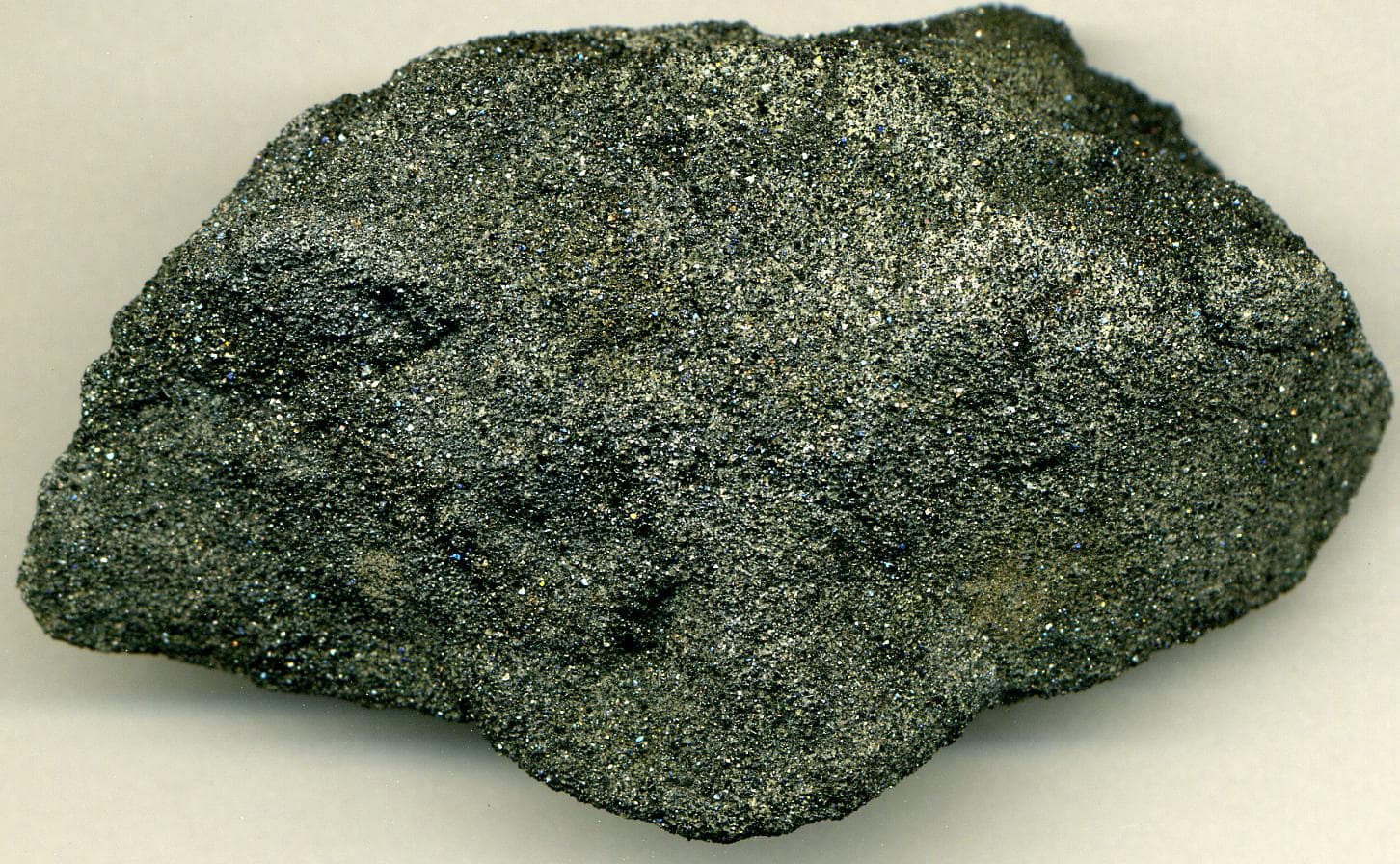
Photo: Chromitite ore from the Bushveld Complex at the Mooinooi mine, North West Province. James St. John, Wikimedia Commons, CC BY 2.0.
Was this useful?
Discussion
Loading comments…