Uranium price cools from January's two-year high but stays well above pre-2025 levels
Spot prices near $90 a pound are enough to keep Namibia's restarted mines profitable, but not to unlock every stalled project
Uranium spot prices briefly touched about $101 a pound in January 2026, their highest level in roughly two years, before easing back through the first half of the year. By September, prices were trading around $89-$90 a pound, still comfortably above the depressed levels that forced mines such as Namibia's Langer Heinrich into care and maintenance during the previous decade.
Enough for producers, not yet for every developer
The current price band is high enough to keep Namibia's three producing uranium mines — Rössing, Husab and Langer Heinrich — solidly profitable; Paladin Energy reported an average realised price of $70 a pound at Langer Heinrich for the year to June 2026, well above its production cost of $43.30 a pound. But it remains below the roughly $82.50 a pound threshold that Deep Yellow has said it needs before committing to build its Tumas project, illustrating how a single price band can look very different depending on whether a mine is already running or still needs financing.
What is driving the market
Analysts have pointed to supply constraints at major producers, including delays to sulfuric acid supply affecting Kazakhstan's Kazatomprom, alongside steadily rising nuclear electricity demand as utilities plan for an expanding global reactor fleet and, increasingly, for power-hungry data centres. Unlike more liquid commodity markets, uranium trading remains thin and dominated by long-term contracts rather than spot transactions, meaning relatively small shifts in buying or selling can move the headline price significantly.
The African angle
For Africa's uranium producers and developers, the price cycle matters more than almost any other single variable. Bannerman Energy has pressed ahead toward a fourth-quarter 2026 investment decision on its Etango project regardless of near-term price swings, betting on secured Chinese financing, while Niger's nationalised Somaïr and Tanzania's Mkuju River projects are being driven as much by state policy as by market signals. Namibia's own experience — mines closing in the 2010s and reopening only once prices recovered — remains the clearest illustration of how directly African uranium supply tracks the global price cycle.
What to watch
With Husab's heap-leach decision, Bannerman's FID and Mantra's Mkuju River restart all due in the second half of 2026, the direction of the uranium price over the coming months will help determine how many of Africa's queued projects actually break ground.
Sources
- CarbonCredits.com: Uranium Prices Today 2026 | Live Spot Price, Chart & Nuclear Outlook, 11 Sept 2026
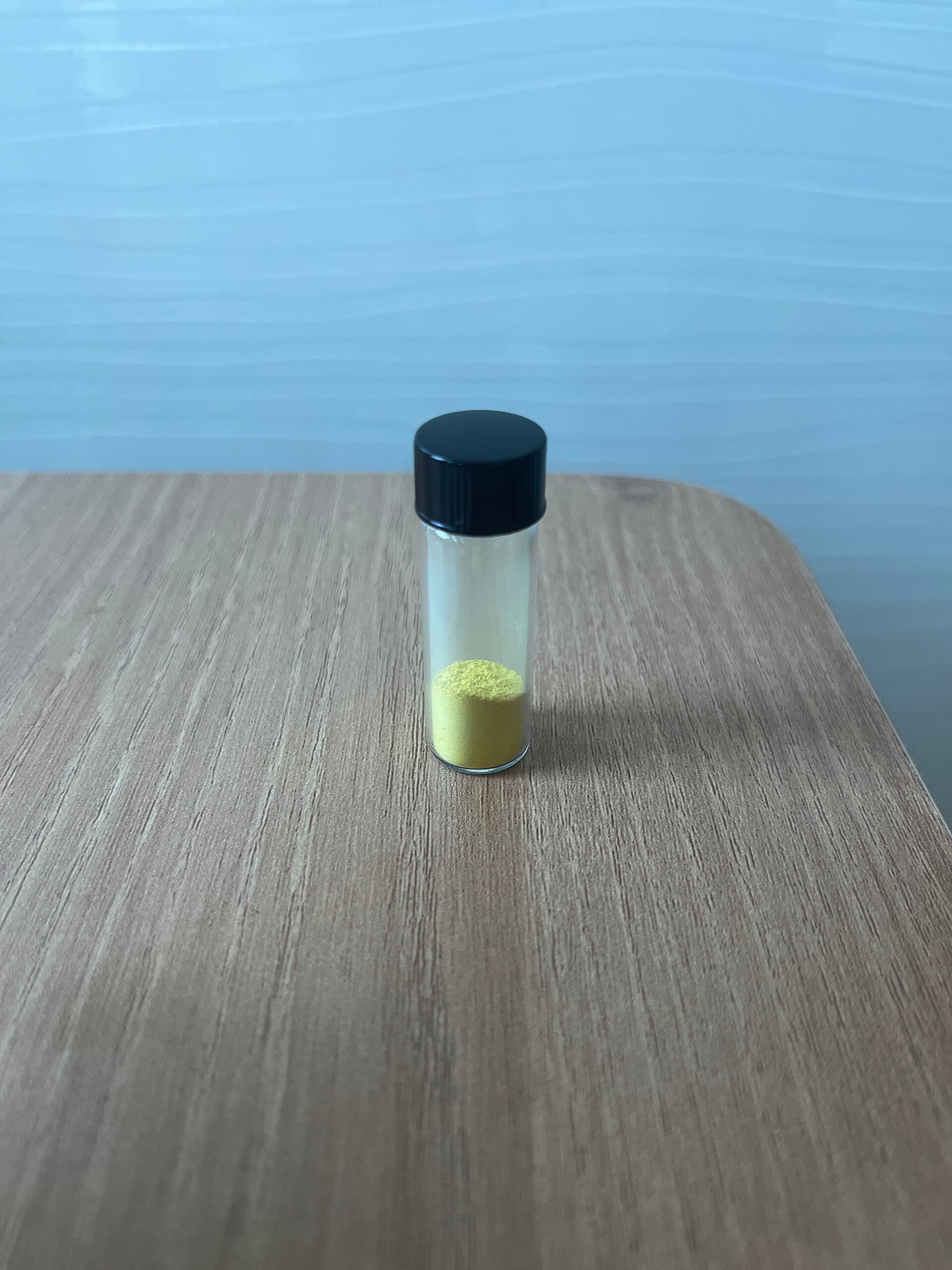
Photo: A sample of yellowcake, the uranium concentrate traded on global spot markets. 책읽는달팽, Wikimedia Commons, CC BY-SA 4.0.
Was this useful?
More from MiningWrap

Namibia opens Walvis Bay-Karibib rail corridor for mining cargo
The whole sector in one weekly read.
Deals, policy and markets — every Thursday.
Discussion
Loading comments…