Uganda signs first mineral production-sharing deal to revive Kilembe copper-cobalt mine
Sarrai Group and Nile Fibreboard win the right to redevelop a mine dormant since 1982, in Uganda's Kasese district
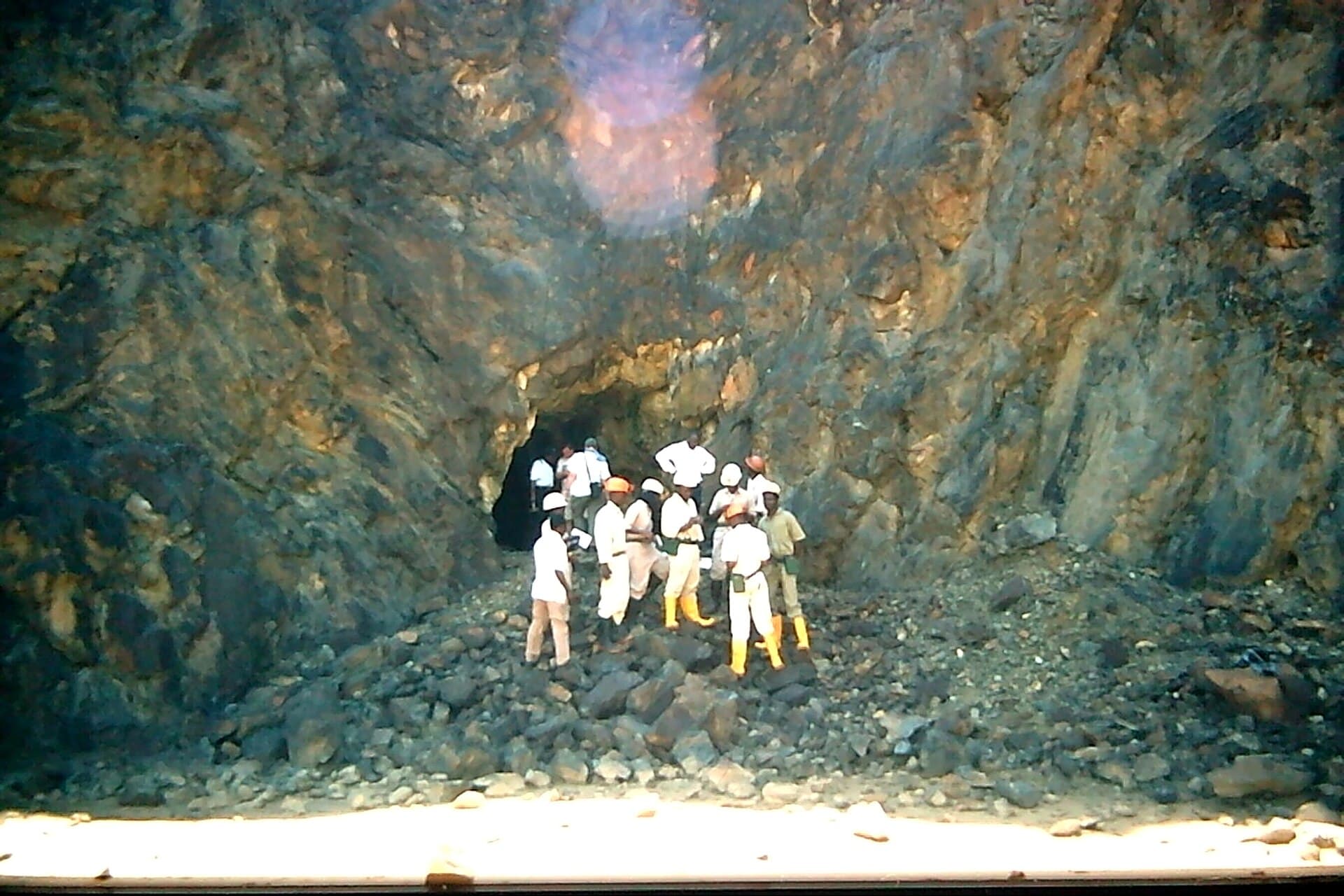
Uganda signed its first mineral production-sharing agreement on 4 March 2025, handing the right to redevelop the long-dormant Kilembe copper-cobalt mine to a joint venture between Sarrai Group Limited and Nile Fibreboard Limited. The deal followed a competitive process in which 14 firms, including several Chinese companies, bid for the right to bring the mine back into production.
A mine idle for more than four decades
Kilembe, at the foothills of the Rwenzori mountains in Uganda's Kasese district, began commercial copper mining in 1950 but collapsed in 1982 amid political and economic turmoil. Despite repeated attempts to find a developer over the following decades, the site sat idle until Sarrai Group emerged as the winning bidder. Government geologists estimate the deposit holds about 4 million tonnes of ore grading 1.98% copper and 0.17% cobalt — a modest cobalt grade by Congolese standards, but significant for a country with no meaningful history of industrial cobalt production.
A formal handover ceremony transferring the site to Sarrai Group took place on 9 May 2025. Once fully operational, the redevelopment is expected to employ around 4,000 people, focused on producing copper cathodes alongside cobalt metal.
Why it matters for African cobalt supply
Kilembe will not rival the Democratic Republic of Congo's giant copper-cobalt belt in scale, but its revival matters for two reasons. First, it gives Uganda a foothold in the battery metals supply chain at a moment when Western governments and manufacturers are actively seeking cobalt sources outside the DRC, whose export policy has grown increasingly unpredictable. Second, it is a rare example of a Mineral Production Sharing Agreement structure being used in African cobalt development, a model that gives the state a direct share of output rather than relying solely on royalties and taxes.
The project sits in the same district — Kasese — long associated with Uganda's cobalt potential, most notably the historic bioleaching operation run by Kasese Cobalt Company on the district's pyrite tailings. Kilembe's redevelopment represents a fresh, industrial-scale attempt to unlock the district's copper-cobalt endowment after a much smaller legacy operation.
What happens next
Sarrai Group and Nile Fibreboard must now move from agreement to construction, a process that typically takes years for a mine that has been flooded and stripped of much of its original infrastructure since production ceased. Uganda's mining ministry has framed the deal as a template it hopes to replicate elsewhere in the country's mineral sector, but Kilembe's actual output — and how much of it will be cobalt rather than copper — will not be clear until development work advances substantially further.
Sources
- Mining Weekly: Uganda signs maiden production sharing deal to revive copper mine, 04 Mar 2025
- UPPC / govinfohub.go.ug: Uganda signs first ever Mineral Production Sharing Agreement for Kilembe Mines Development, 14 Mar 2025
Photo: Historic mine infrastructure at Kilembe Mines in Kasese district, Uganda. Gunnar Ries zwo, Wikimedia Commons, CC BY-SA 2.0.
Was this useful?
More from MiningWrap
Lobito Corridor could double cargo to 800,000 tonnes after $300m boost
The whole sector in one weekly read.
Deals, policy and markets — every Thursday.
Discussion
Loading comments…