South Africa records 33 mine deaths in 2026 as Implats leads fatality toll
Fall-of-ground and rail accidents keep mining safety in the spotlight after fatalities fell to a record low of 41 in 2025
South Africa's Department of Mineral and Petroleum Resources said 33 mine workers had died on duty by late July 2026, a toll that, if it continues at the same pace, could end a run of improving safety figures. The Association of Mineworkers and Construction Union (AMCU) put the number even higher, at 35, highlighting a recurring dispute between the union and the department over how deaths are counted and attributed.
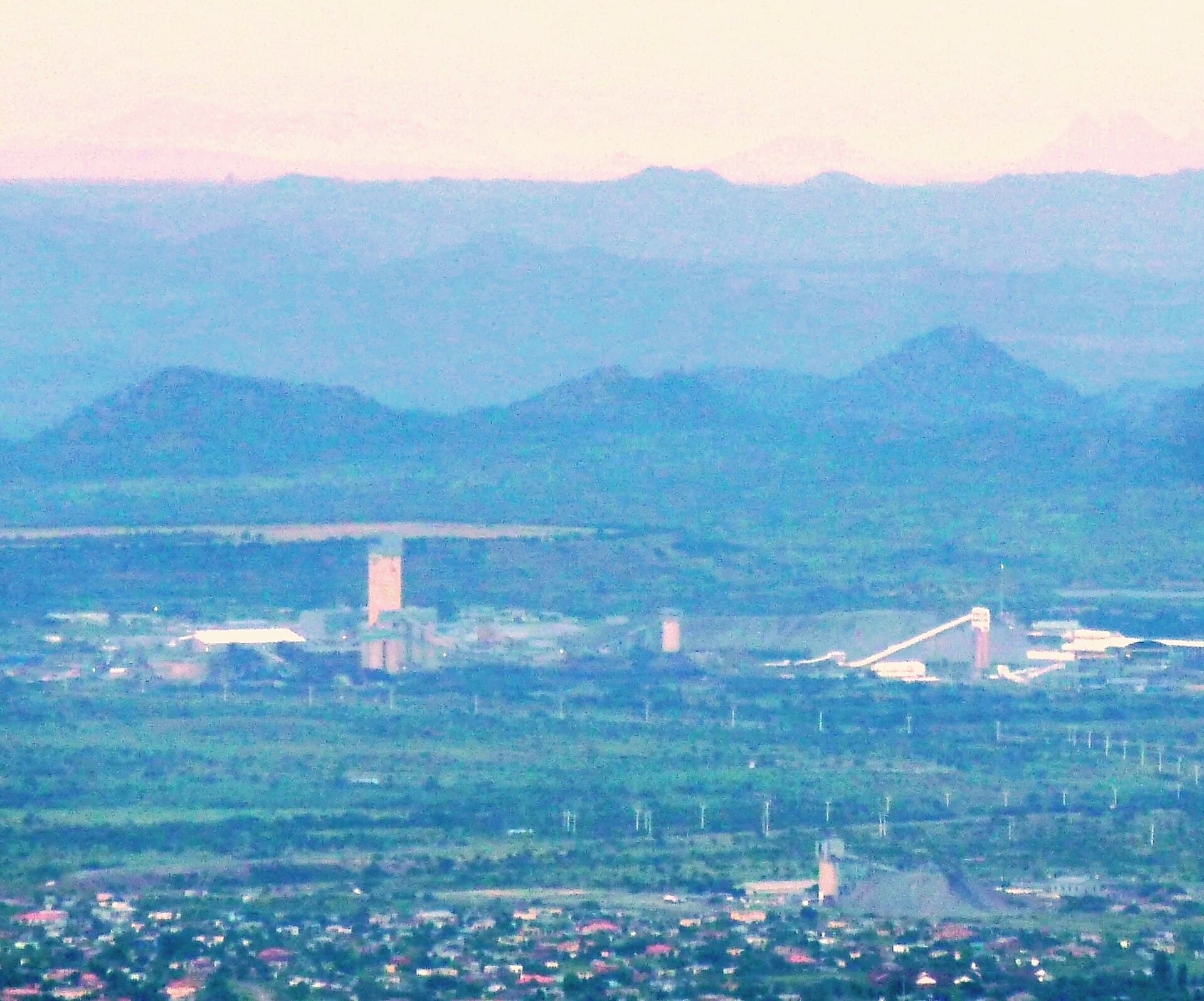
Impala Platinum's Rustenburg operation featured heavily in the 2026 figures, accounting for more than a third of the recorded deaths. Implats management said between five and six of its employees had died between January and July, while AMCU put the figure at seven, illustrating how even basic fatality counts can become contested territory between companies and unions.
A record low the year before
The 2026 numbers are being measured against an unusually strong safety performance in 2025, when the industry recorded 41 fatalities, a record low and a 91% improvement on the 484 deaths recorded in 1994, according to the Minerals Council South Africa. That improvement was part of the rationale behind the council's long-running Zero Harm campaign, which has pushed for the elimination of mining deaths altogether.
Where deaths are occurring
Beyond Implats, other named incidents in the 2026 toll include five mineworkers killed in a mud rush at the Ekapa diamond operation, and two fatalities at Sibanye-Stillwater's Kloof 8 shaft on the West Wits gold line. Fall-of-ground incidents, in which loose rock collapses on underground workers, remain one of the leading causes of mining deaths in South Africa, alongside transport-related accidents such as the locomotive collisions that forced Implats to halt its Rustenburg operations in July 2026.
Company and union responses
Implats chief executive Nico Muller said the company remained "resolute in our commitment to achieving zero harm", while AMCU president Joseph Mathunjwa pushed back on efforts by companies to reclassify some incidents as something other than mining accidents, saying bluntly of one contested case: "That person died at work, and it's a mine accident."
What it means for the sector
The rise in fatalities, even a modest one, matters because South African mining safety statistics are closely watched both by regulators empowered to issue Section 54 safety stoppages and by investors weighing environmental, social and governance risk. A reversal of the multi-year downward trend in deaths would put renewed pressure on companies to demonstrate that cost-cutting and restructuring, both widespread across the sector in 2026, are not coming at the expense of underground safety.
Sources
Was this useful?
More from MiningWrap


The whole sector in one weekly read.
Deals, policy and markets — every Thursday.
Discussion
Loading comments…