March mining data: PGM sales more than double as gold adds 51.7%
Stats SA figures showed South African mineral sales growing far faster than production, powered almost entirely by price
Statistics South Africa's mining production and sales release for March 2026 showed overall production up a modest 2.5% year-on-year, but mineral sales at current prices up 30.2%, a gap that widened further than in the previous month's data. Platinum group metals led both measures, with production up 10.5% and sales up 113.5%, the single largest contributor to overall sales growth. Gold production rose 17.1% while gold sales climbed 51.7%. Manganese ore production increased 14.4%, chromium ore sales rose 38.6%, while coal production fell 9.6% and iron ore sales dropped 18.7%.
On a seasonally adjusted basis, both production and sales fell month-on-month, down 5.1% and 8.6% respectively, while the first-quarter picture against the fourth quarter of 2025 showed production up 0.6% and sales up 6.6%.
Price, not volume, is doing the work
The pattern in March's data extended the story told by February's release: South Africa's mining sector was generating substantially more rand revenue without digging substantially more ore. PGM sales more than doubling year-on-year while PGM production rose only a tenth as fast left little doubt that price, not tonnage, was the dominant factor, a dynamic tied directly to the platinum and rhodium price surges then running through global markets.
Building toward a record year
Taken together with the January-April cumulative figures that would follow in June, March's data formed part of a run of releases that had the Minerals Council projecting full-year 2026 mineral sales could reach nearly R1 trillion, and potentially exceed that threshold in an upside scenario, a level that would have been unthinkable before the PGM and gold rallies of the preceding eighteen months. For an economy in which mining still anchors a meaningful share of export earnings and fiscal revenue, the price-driven nature of that growth carried an obvious risk: it left South Africa's mining income unusually exposed to a reversal in the very commodity prices doing the lifting.
Economists tracking the release noted that the widening gap between production and sales growth each month made it increasingly difficult to judge the underlying health of South African mining purely from headline Stats SA figures, without also tracking the separate movement of global commodity prices driving the rand value of that output.
Sources
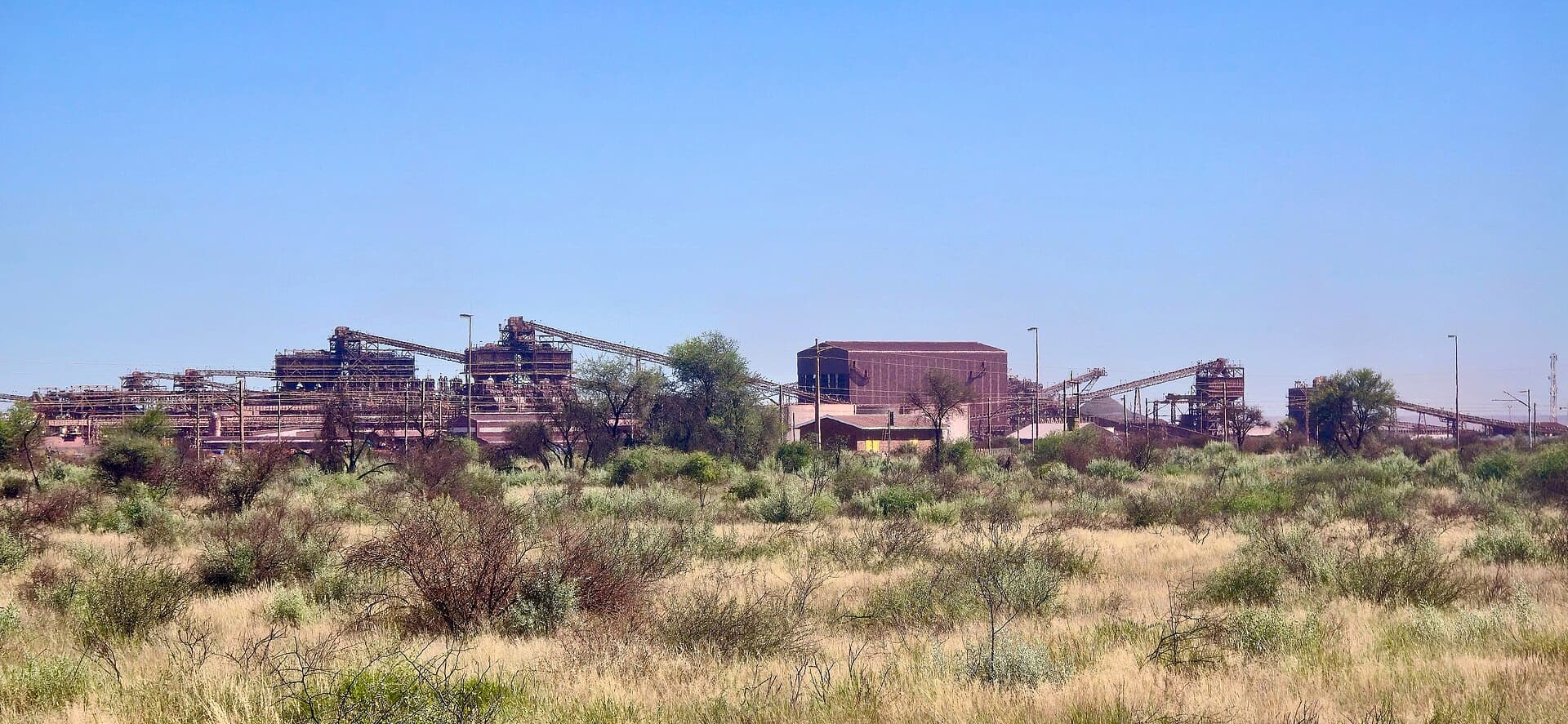
Photo: The Sishen iron ore mine in South Africa's Northern Cape, one of the commodities tracked in Stats SA's monthly release. Bernard DUPONT from FRANCE, Wikimedia Commons, CC BY-SA 4.0.
Was this useful?
More from MiningWrap
The whole sector in one weekly read.
Deals, policy and markets — every Thursday.
Discussion
Loading comments…