Eskom chief warns against 'rigid' deadlines for shutting coal power stations
Dan Marokane says closures should track grid readiness, not a fixed calendar, as several plants operate under emissions waivers to 2030 and 2034
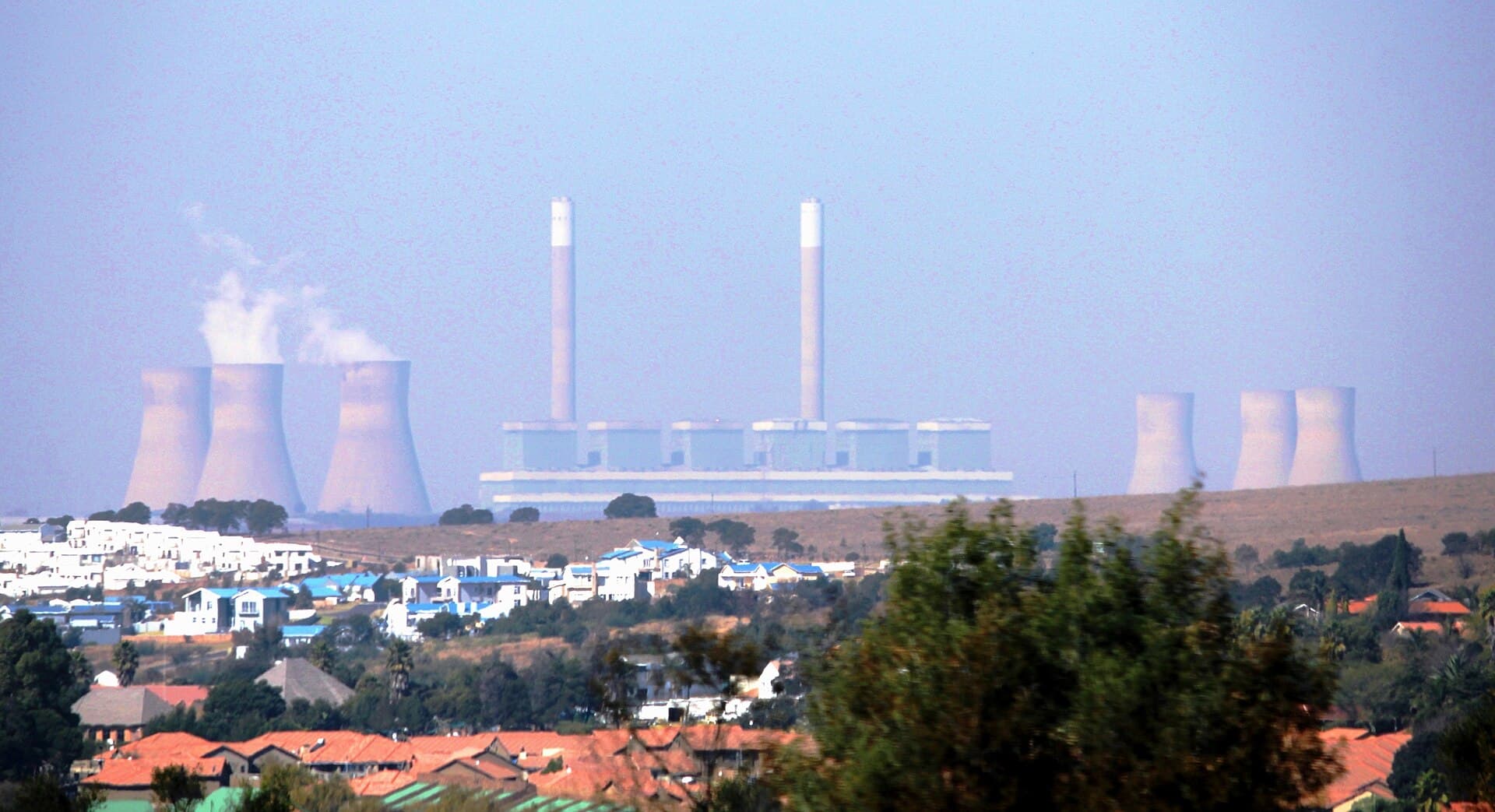
Eskom chief executive Dan Marokane cautioned on 23 July 2026 against setting rigid, calendar-based deadlines for shutting down South Africa's coal-fired power stations, arguing that closure decisions should instead be tied to the pace at which new generation capacity actually comes online.
The stations in question
Eskom's Komati power station has already been mothballed since 2022, while Hendrina, Camden, Grootvlei, Arnot and Kriel are operating under emissions exemptions running to 2030. Duvha and Matla have exemptions extending to 2034, and Medupi and Kendal are operating under separate waivers to 2030. Marokane argued that without confirmed replacement capacity in place, sticking to a predetermined shutdown schedule "risked tipping the country into another supply crisis," a reference to the rolling blackouts that battered the economy in preceding years.
A split reaction
The comments drew a mixed response. Renewable energy consultant Frank Spencer dismissed Marokane's framing as a distraction, arguing there is no clean way to keep burning coal regardless of the timeline. James Mackay of the Energy Council of South Africa took a more measured view, acknowledging that Eskom's oldest coal plants lack a credible economic justification to keep running indefinitely, but agreeing that any transition needs fresh investment and economic growth to succeed rather than an arbitrary cutoff date.
Why it matters for coal miners
Eskom remains by far the largest domestic buyer of South African thermal coal, so the pace at which it retires coal plants directly shapes demand for producers who supply power-station rather than export-quality coal. A slower, condition-based transition, of the kind Marokane is advocating, would extend the runway for mines tied to Eskom offtake contracts, while a faster shutdown timetable would accelerate the shift of coal volumes toward export markets and intensify pressure on mining communities dependent on Eskom-linked collieries.
What happens next
The remarks add Eskom's voice to an increasingly public debate over the pace of South Africa's Just Energy Transition, in which the utility, unions, coal producers and climate campaigners are all pushing for different timelines, with the practical decisions ultimately resting on how quickly new generation capacity, whether renewable, gas or otherwise, can be built and connected to the grid.
Sources
Photo: Duvha coal-fired power station outside Witbank, Mpumalanga. JMK, Wikimedia Commons, CC BY-SA 4.0.
Was this useful?
More from MiningWrap

Sibanye-Stillwater's renewable power push passes 160MW as miners race to cut Eskom reliance
Kumba to build 63MW solar plant to power Sishen iron-ore mine
Eskom marks a full year without load shedding for the first time since 2018
Harmony Gold's solar programme heads toward 456MW as Sungazer 2 takes shape
The whole sector in one weekly read.
Deals, policy and markets — every Thursday.
Discussion
Loading comments…