Central bank gold buying momentum carries into 2026
Poland, Kazakhstan and Brazil led another year of heavy official-sector purchases underpinning the price African gold exporters receive
Reporting on 24 March 2026, mining.com and the World Gold Council set out how central banks had extended their multi-year buying spree into the new year. Official-sector purchases totalled about 863 tonnes in 2025, and the World Gold Council forecast a broadly similar 850 tonnes for 2026. Poland was the standout buyer, adding more than 80 tonnes to its reserves, with Kazakhstan and Brazil also posting significant increases.
The report highlighted a structural shift as much as a cyclical one: central banks that had been inactive or entirely absent from the gold market for years were returning as buyers, broadening the base of official demand beyond the small group of large, repeat purchasers such as China and Poland that had dominated the trend in earlier years.
Why it matters for African gold
Central bank demand has been one of the steadiest pillars supporting gold's price through an otherwise volatile 2026, providing a floor of buying that does not depend on investor sentiment or interest-rate expectations in the way ETF flows or futures positioning do. For South African, Ghanaian and Malian gold producers, that steadier source of demand has translated into a pricing environment less prone to the sharp reversals that hit purely speculative rallies. It also means monthly and quarterly central bank data, once a niche corner of the gold market, has become one of the more closely watched inputs for African mining executives setting production and hedging plans.
A test still to come
The article noted a caveat that would prove prescient: central banks' appetite for bullion could face a stern test if geopolitical tensions eased or if reserve managers judged gold to have become too expensive relative to other assets. That tension between structurally higher official demand and a price that had already run hard played out repeatedly over the rest of 2026, as gold both broke records and suffered its sharpest correction since 2008.
The report also noted that gold's share of total global reserves had climbed to levels not seen in decades in several of the newly active buying countries, a shift reserve managers described as a deliberate diversification away from dollar-denominated assets rather than a short-term tactical trade tied to any single geopolitical event.
Sources
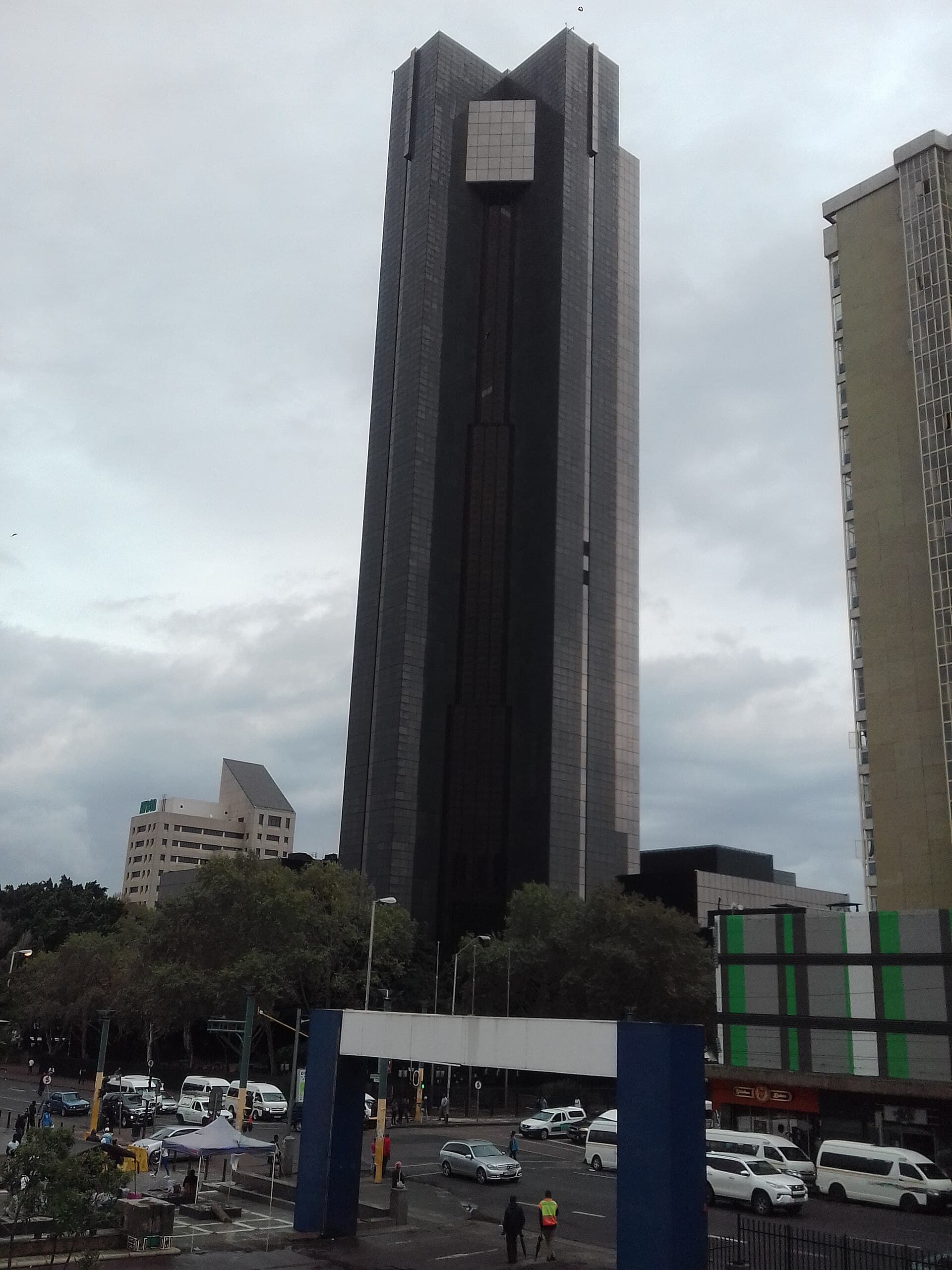
Photo: The South African Reserve Bank building in Pretoria, one of many central banks that hold gold reserves. Raw stuff, Wikimedia Commons, CC BY-SA 4.0.
Was this useful?
More from MiningWrap

The whole sector in one weekly read.
Deals, policy and markets — every Thursday.
Discussion
Loading comments…